
Fashion retail: Trends and steps needed to thrive in this vast industry
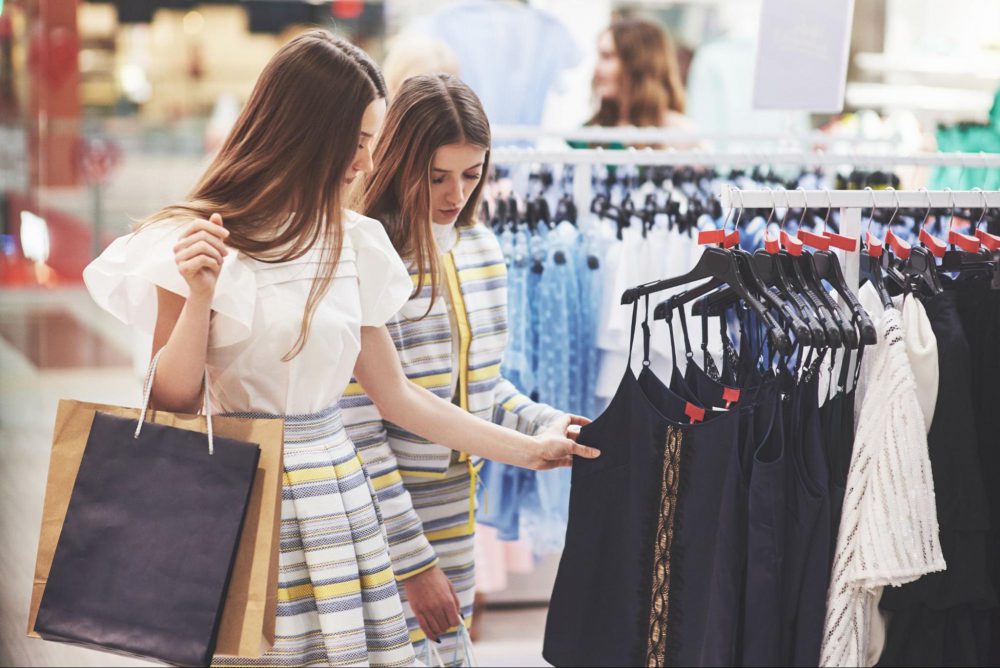
Grasp fashion retail industry trends to create a competitive advantage in the market. LBC provides software solutions for the fashion retail industry.
The world retail industry in general and fashion retail is constantly undergoing revolutions. To stand firm, businesses in the industry must always be ready to adapt to all changes in the market and consumer preferences. Predicting the trends that will prevail in 2023 is a premise for retailers to take advantage of opportunities and bring about impressive business results.
The following article by LBC International shapes the trends of the future retail fashion industry.
Related articles:
- Retail management software application for the fashion industry 2023
- With Retail Pro Prism – TMG improves the efficiency of the sales management platform in the era of digital transformation
- Increase in-person store visits with these simple tips
1. Future fashion industry trends
It is predicted that the future fashion retail industry will focus on meeting customer needs, increasing comprehensiveness and personalizing the shopping experience with modern technology, sustainable business strategies, and environmental protection.
- Metaverse
The shift of the digital environment from 2D to 3D makes young people spend more time exploring new online spaces. About 63% of Gen Z consumers expressed special interest in Metaverse. Grasping the trend, many retail businesses in the fashion industry have collaborated with leading technology developers to bring garment products closer to gen Z customers.
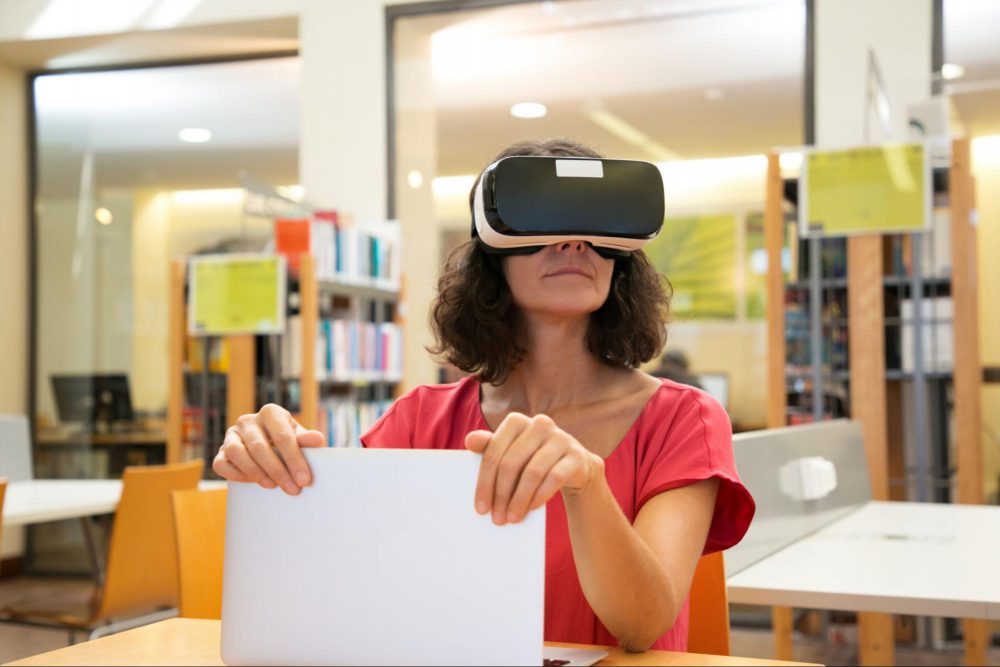
In 2021, the Dolce & Gabbana brand raked in millions from exclusive NFT collections. Meanwhile, new fashion houses like DressX or The Fabricant are showing the development potential of digital clothing with augmented reality (AR) technology.
- Online shopping via social networking platforms
Online shopping through social networking platforms will be a fashion retail trend this year. According to Business of Fashion and McKinsey, the demand for online shopping is increasing, especially for clothing and fashion accessories. Experts predict that sales from social networks will increase more than 51% in the United States in the next 2 years, reaching the $56 billion mark. By 2027, global retail sales could reach more than $600 billion.
- Personalize your shopping experience
According to statistics, about 80% of consumers expect fashion merchants to meet their own preferences. This has pushed brands to apply technology to reshape customer experience. Advanced technologies such as AI and voice assistants effectively support retailers in collecting customer data, optimizing products for each individual, and standardizing the purchasing and payment process.

- Technology application
The advent of automatic body scanning technology has had a strong impact on the fashion retail industry. With this technology, sellers can remotely collect customer body measurements, thereby advising them on appropriate clothing sizes. AR technology also brings similar effects. AR provides an engaging and realistic “trying on clothes” experience, customers can visualize the clothes on their body without having to try them on in person.
- Diversify sales channels
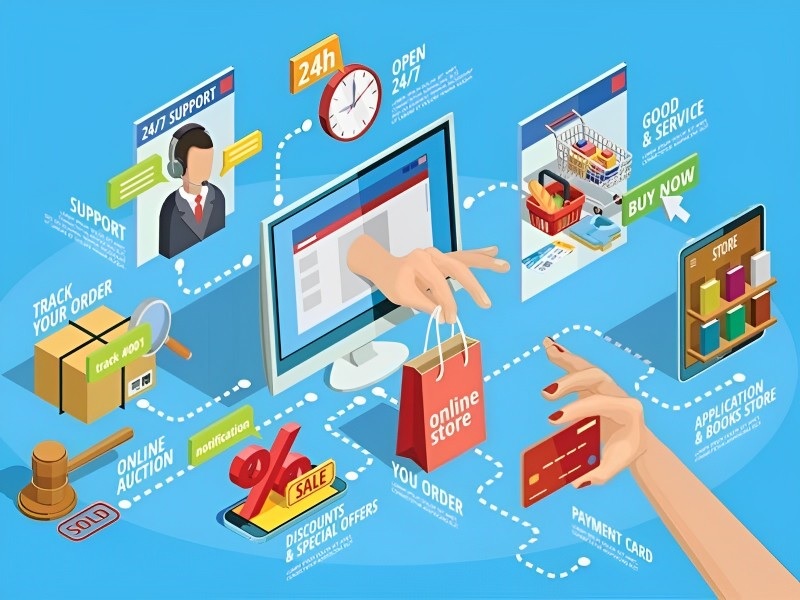
E-commerce has made strong changes, becoming a trend of the future retail industry. In the coming time, retailers will expand and diversify sales channels to optimize profits. In parallel with developing the online store, the seller will also invest in the traditional store system to increase physical contact points, creating the most intuitive and vivid shopping experience.
- 2-hand items
Consumers and retailers are increasingly interested in sustainability and friendliness in the fashion industry. With the huge amount of textile waste generated every year, many young customers say they will limit their purchases of fashion items in the near future. This is truly a big challenge for the world fashion retail industry.
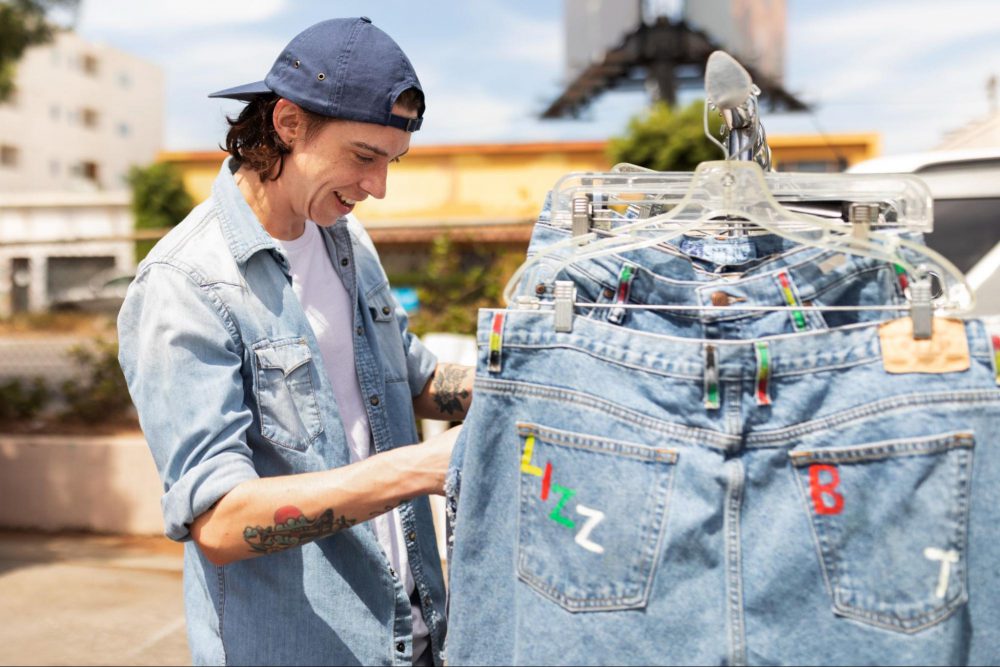
To survive, businesses must start researching sustainable and recyclable production processes and materials. Natural fiber materials such as hemp, bamboo and ramie gradually replace cotton, using musk instead of leather to minimize chemicals harmful to the environment during the production process. In addition, 2-hand items are also a notable trend in the near future.
2. Applying software to fashion retail management
With the development of technology, administrators can now manage store chains professionally, quickly and effectively. Specialized retail management software for the fashion industry will help save labor costs, control goods and inventory, and minimize the risk of loss. Besides, the software also helps increase the professionalism and reputation of retail stores.
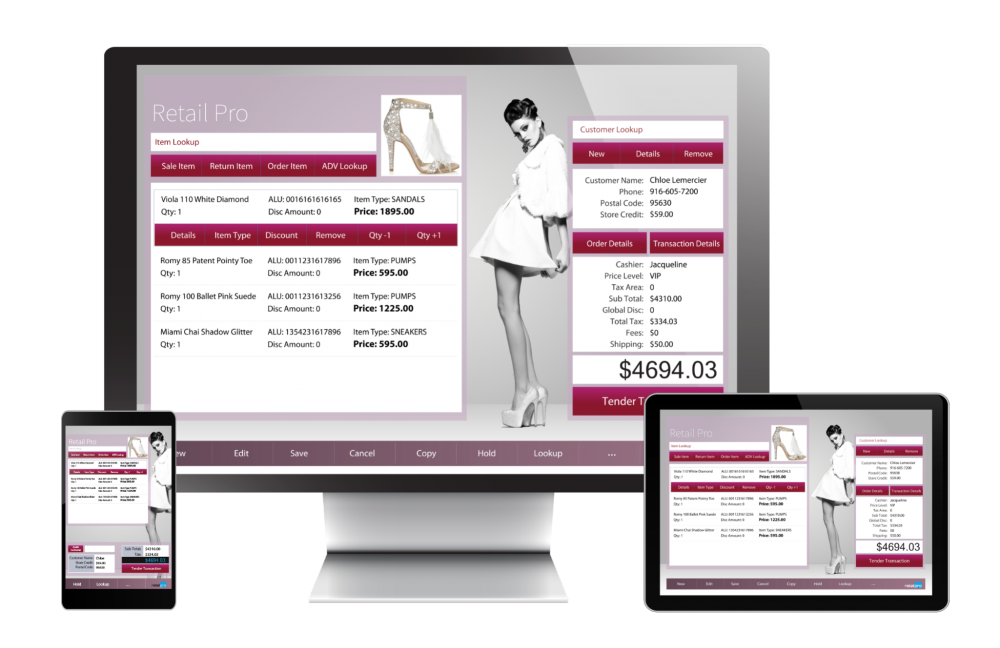
Retail Pro Prism is fashion retail management software provided by LBC International, suitable for many different store sizes. With this software, administrators can manage the entire operation of the retail system, from product categories, inventory, transaction details, customer information to employee performance. In particular, the software also helps businesses build customer care programs through the amount of data collected.
The characteristic of the retail fashion market is that it is always changing. To gain a competitive advantage, retailers must regularly update trends. Hopefully the information shared above will be useful for fashion retailers in building business strategies. Businesses that want to learn about retail industry management software can contact LBC International for advice and support.
Articles and images compiled by LBC International.
Related articles

What is Unified Commerce? Its role in retail store chains
Unified Commerce is a model that integrates all sales channels and business management into a single system.
Experience in choosing an effective retail management solution
Useful experience to help you choose the best solution for your business model.

What is IoT? IoT applications in smart retail
IoT is changing retail through applications such as automated inventory management, contactless payments, and personalized customer experiences.