
What is IoT? IoT applications in smart retail
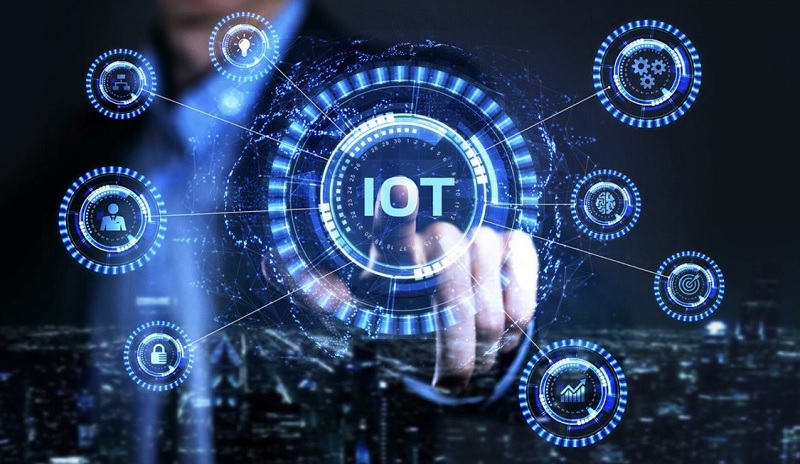
IoT is changing retail through applications such as automated inventory management, contactless payments, and personalized customer experiences.
1. What is IoT?
IoT (Internet of Things) is a network of devices connected via the internet that collect, exchange, and analyze data to optimize operational performance. IoT devices can be sensors, machinery, phones, surveillance cameras, or even everyday consumer products such as refrigerators and cars. IoT lets these devices communicate with each other without human intervention, creating a smart ecosystem where every device can share information to work more efficiently.
An IoT system runs on three core components:
- Sensor devices: the core of IoT, including temperature, light, humidity, and motion sensors along with surveillance cameras. They collect data from the environment and send it to a central processing system.
- Network connectivity: IoT devices need network connectivity to transmit data, whether via Wi-Fi, Bluetooth, 4G/5G, or dedicated IoT protocols such as LoRa, Zigbee, and MQTT.
- Analysis and action: collected data is processed by AI, Big Data, or analytics platforms to drive optimal decisions, automating operational processes.
2. IoT applications in smart retail
Have you ever wished a store understood you the way you understand yourself? From smart inventory management to personalized customer experiences, none of this is a distant vision anymore — it's already being widely applied thanks to IoT technology.
So how exactly is IoT changing the retail industry? Let's explore the breakthrough applications and how businesses can leverage this technology to build a competitive edge in the digital era.
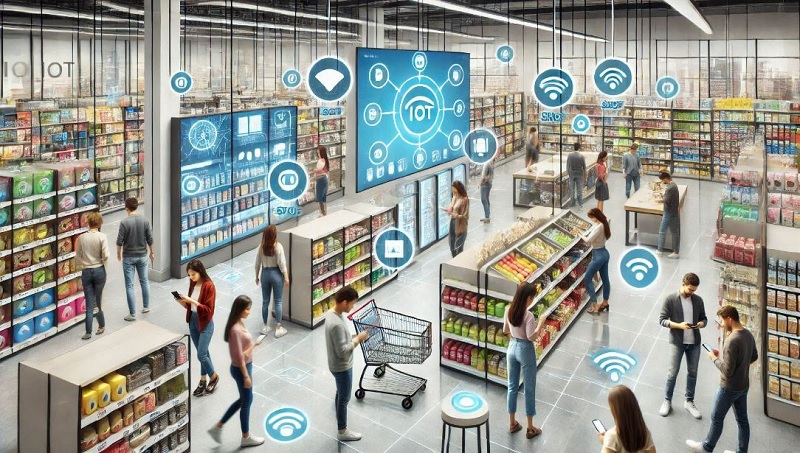
2.1. Automated inventory management
In traditional retail, manual inventory management can lead to errors, stock loss, or shortages exactly when customers need a product. IoT lets stores track inventory levels in real time using RFID sensors, barcodes, or AI cameras.
When stock is running low, the system automatically alerts the store manager, or can even place a reorder with the supplier automatically. This reduces the risk of stockouts, avoids excess inventory, and optimizes operating costs.
2.2. Contactless payment
IoT technology creates a fast checkout experience with no scanning or waiting in line. IoT-enabled stores such as Amazon Go use sensors, AI cameras, and recognition technology to track the items customers pick up, then automatically charge them once they leave the store.
2.3. Personalizing the customer experience
IoT collects data on customer shopping behavior through sensors, AI cameras, or mobile apps. When a customer walks into a store, the system can send discount notifications or suggest products based on their purchase history.
2.4. Monitoring and optimizing energy use
One important retail application of IoT is energy optimization. Smart control systems can automatically adjust temperature and lighting in stores to reduce energy waste while still delivering the best shopping experience.
For example, light sensors can adjust LED brightness based on the amount of natural light during the day, saving electricity. Air-conditioning systems can also automatically adjust temperature based on the number of customers in the store.
2.5. Security and theft prevention
IoT improves retail store security through smart surveillance camera systems, facial recognition, and motion sensors. These technologies help detect suspicious behavior, alert security staff, or automatically lock doors when needed.
In addition, IoT security systems can connect to the store manager's phone, letting them monitor the store remotely and receive instant alerts whenever an incident occurs.
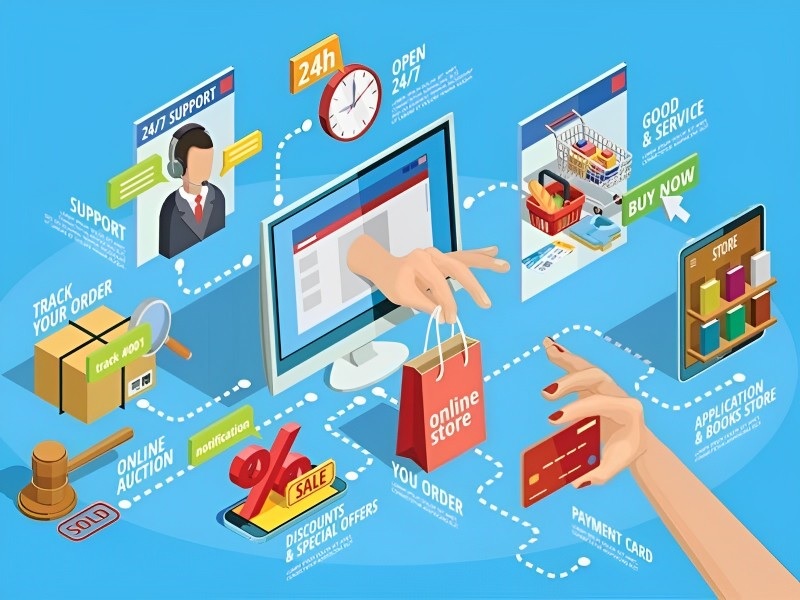
2.6. 24/7 customer support
IoT-powered chatbots and virtual assistants support customers even outside business hours. These tools can answer questions, help customers find products, or even assist with online orders, improving the overall customer experience.
3. Benefits of IoT in retail
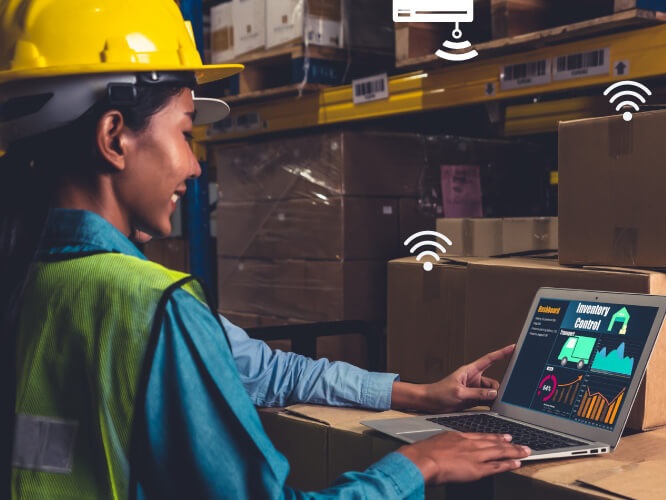
From smart inventory management and a personalized shopping experience to optimized store operations, IoT is helping businesses boost performance and deliver better service to customers. Let's look at the standout benefits IoT brings to retail.
- Higher operational efficiency: IoT automates inventory-management tasks, optimizes the supply chain, and reduces operating time and cost.
- Better customer experience: customers get faster, more convenient service through technologies such as contactless payment and personalized product recommendations.
- Fewer losses and less fraud: smart security systems help reduce theft and improve store safety.
- Lower costs: IoT optimizes energy use and cuts waste on electricity, water, and staffing, driving higher profitability.
- Higher revenue: technologies such as virtual storefronts, fast checkout, and automated customer care increase conversion rates and retain loyal customers.
4. IoT trends shaping the future of retail
IoT is becoming ever more widely applied in retail and will continue to develop strongly with these key trends:
- AI and Machine Learning integration: AI analyzes shopping data, optimizes business strategy, and automatically adjusts stock to match customer demand.
- Blockchain applications: blockchain strengthens transparency and security in supply-chain management and helps prevent transaction fraud.
- The rise of unstaffed stores: automated store formats like Amazon Go will keep gaining ground, cutting labor costs and streamlining operations.
- Robots and drones: robots assist with stocktaking and guide customers, while drones can be used for fast delivery.
- E-commerce merging with physical retail: IoT connects traditional and online retail, creating a more seamless shopping experience.
5. IoT applications built into Retail Pro Prism
Internet of Things technology is no longer a future concept — it's transforming retail today. With Retail Pro Prism, developed by LBC International, businesses can harness the power of IoT to run smarter stores, serve customers better, and grow revenue more effectively. Let's look at how IoT is applied within Retail Pro Prism.
Automated inventory management
Have you ever had a customer ask about a product without knowing if it's in stock? With RFID sensors and real-time tracking, Retail Pro Prism helps you keep inventory accurate, avoid shortages or overstock, and optimize the restocking process.
A personalized shopping experience
Every customer likes to feel valued. IoT helps recognize VIP customers as soon as they walk in, suggests products based on their purchase history, and can even send special offers directly to their phone — boosting satisfaction and encouraging repeat visits.
Fast, contactless payment
Nobody likes waiting in a long checkout line. Thanks to IoT, customers can pay contactlessly via NFC, QR code, or e-wallets, making transactions faster and more convenient.
Smart security system
With AI sensors and smart cameras, Retail Pro Prism can detect suspicious behavior and alert staff to theft risk or store overcrowding, helping the business stay in control and maximize safety.
Optimized operations and energy savings
Did you know IoT can meaningfully cut electricity use? The system can automatically adjust lighting and air conditioning based on customer traffic, reducing operating costs and protecting the environment.
Applying IoT within Retail Pro Prism doesn't just help businesses run more smoothly — it also elevates the customer experience. If you're looking for a smart, modern retail solution, get in touch with us today.
LBC International — Building value, shaping the future of retail
- Address: 2nd Floor, 145 Nguyen Co Thach, District 2, HCMC.
- Hotline: 028 8888 9099.
- Email: infor@lbcint.com
Related articles
What is Unified Commerce? Its role in retail store chains
Unified Commerce is a model that integrates all sales channels and business management into a single system.
Experience in choosing an effective retail management solution
Useful experience to help you choose the best solution for your business model.
Quality electronics and appliance store management software
Using software to manage electronics and appliance stores is no longer optional; it is essential for optimizing operations and customer service.