
Secrets to building a successful retail store chain

Operating a store chain offers many benefits but also carries risks. This article outlines five essential ways to build a successful retail chain.
Chain-store retail has become a powerful growth trend in recent years and is increasingly the go-to model for retail businesses looking to raise brand awareness and strengthen their competitive edge. This model delivers real benefits: tighter control over supply, effective promotions and advertising, and close tracking of sales performance so businesses can respond quickly to market shifts. That is why building a retail store chain is a goal so many businesses pursue.
In practice, though, plenty of chains fail — sometimes due to external factors like shifting market demand or fierce competition, sometimes due to internal gaps in capital, technology, staffing, or an underperforming marketing strategy. Below are five key secrets to building a successful retail store chain.
Why build a retail store chain in the first place?
Before diving in, let's look at some of the key benefits of expanding a business into a retail store chain.
Expanding market reach and growing revenue
One of the biggest reasons to build a retail store chain is the ability to expand market reach and grow revenue. With a chain, a business can reach far more customers and grow sales significantly compared with running a single store.
This potential is even clearer given how strongly Vietnam's retail market is growing. That said, businesses should keep in mind that profit doesn't necessarily scale in line with revenue as the chain expands — operating costs rise too. Without an effective management process, a business can face significant risk.
Better buying prices from bulk purchasing
Building a retail chain lets a business take advantage of bulk purchasing, lowering procurement costs and making it easier to run promotions. You gain leverage to negotiate better prices with suppliers, which in turn supports more effective promotional campaigns.
Stronger brand recognition and lower advertising costs
Building a retail store chain increases your brand's market presence. As stores appear in more locations, brand awareness grows automatically without a proportional rise in advertising spend. This saves on marketing budget while reinforcing your brand's standing with customers.
Rising brand value
As your brand becomes more widely recognized through chain expansion, its value grows accordingly. A strong brand is a valuable business asset that can generate sustainable value over the long term. To maintain that value, however, you need consistent quality across every store in the chain — from products and pricing to service quality.
One popular way to build a retail chain today is the franchise model. Under this model, though, maintaining consistent quality across stores can be difficult. A single underperforming franchise location can hurt the entire brand's value — a domino effect.
Secrets to building a successful retail store chain
Building a retail store chain is no easy feat, especially amid fierce competition and demanding market expectations. But with the right strategy and precise execution, a business can absolutely build a strong, sustainably growing chain and achieve outstanding results. Below are some key secrets to help you build and sustain that success.

Choosing the right location for your retail chain
Store location is a decisive factor in the success or failure of a retail chain. Prime locations typically command high rents and intense competition among businesses. So how do you identify the right location for a new store?
Start with a thorough demographic survey: population density, average living standards, estimated income of potential customers, and factors such as the number of buildings, offices, and schools within a 500-meter radius. You should also gather data on the number of existing stores in the area, their business type, average daily foot traffic, and average customer spend.
Choosing a location is not a simple task — it takes time and careful preparation. Gathering complete information minimizes costly mistakes. A good location isn't just about population density; it also needs to support logistics and connect well with other stores in the chain, forming a strong business system that raises brand value and attracts a large customer base in the area.
A classic example is Starbucks, one of the world's leading retail brands, which has a dedicated team researching and analyzing demographics to find ideal locations for new stores. According to public information, of Starbucks' first 1,000 stores, only 2 had to close due to a poor location call — a record few retailers can match. That underscores just how important choosing the right location is when building a retail store chain.
A sound HR policy
A hard truth: when a business hits a rough patch and needs to cut costs, employees are often the first to feel it, through reduced pay and benefits. But staff are not merely a cost center — they are the face of the company to customers. Good service builds trust and loyalty to the brand; a poor experience with staff can push customers away entirely. That's why building a sound HR policy is essential to raising service quality and creating a durable competitive advantage as you grow your retail chain.
Compensation is the single most important piece of an HR policy. Most cases of staff turnover stem from dissatisfaction with current pay. Build a clear, transparent pay structure and motivate staff with attractive bonuses tied to strong performance. KPIs should be reasonable and achievable, not unrealistic targets used to dock pay.
When employees' interests are tied to a store's success, they're motivated to perform well, driving sustainable growth for the business. A strong team is a key ingredient for building a successful, long-lasting retail chain.
Raising capital to build a solid foundation
The first and most important factor in building a successful retail chain is capital. Growing a chain requires substantial investment, especially in the early stage when the store count is still low and profits are modest — sometimes even running at a loss. Businesses need patience to get through this difficult phase while gradually building trust and attracting customers.
Just as important is a second foundation: the team. A solid management system and professional sales staff are key to keeping operations running smoothly and raising service quality. Building the right team not only drives efficient operations but can also generate creative ideas for promoting and marketing products to customers. Leverage relationships and build long-term partnerships — for example, instead of leasing a space outright, you might propose a profit-sharing arrangement or joint investment in equipment.
Finally, you need a consistent, standardized operating process covering procurement, sales management, team building, and promotional and communications strategy. A tight, well-defined process ensures stability and sustainable growth for the chain going forward.
Running effective marketing programs
An effective marketing strategy is essential to building a successful, sustainably growing retail chain. First, create memorable, distinctive grand-opening events to capture attention and make a strong impression on customers. Ongoing promotions and customer offers are equally important for building trust and sustaining customer interest in the brand.
Beyond opening events, you also need to plan recurring marketing programs, such as:
- Promoting new products alongside compelling offers to drive purchase intent.
- Store openings with special events, discounts, or gifts to draw customers in to browse and buy.
- Loyalty programs that retain existing customers through offers or membership cards, strengthening their bond with the brand.
All of these activities not only make a retail chain stand out but also build lasting loyalty and trust from customers.
Balancing quality and growth
One of the biggest challenges when building a retail chain is the "growth trap" — the difficulty of maintaining consistent quality while scaling up. The market may be growing fast, but without tight quality control, a chain can run into serious trouble. Many retail chains have shut down despite strong early growth.
Quality requirements may not be as strict as in food and beverage, but poor management of factors like purchase pricing, promotions, or product quality still exposes the business to real risk. As you open more stores, it's critical to maintain tight, consistent control over operating processes, management systems, and customer service quality at every location. A single underperforming store that leaves a bad impression can turn customers away from the entire chain.
Using chain-store management software
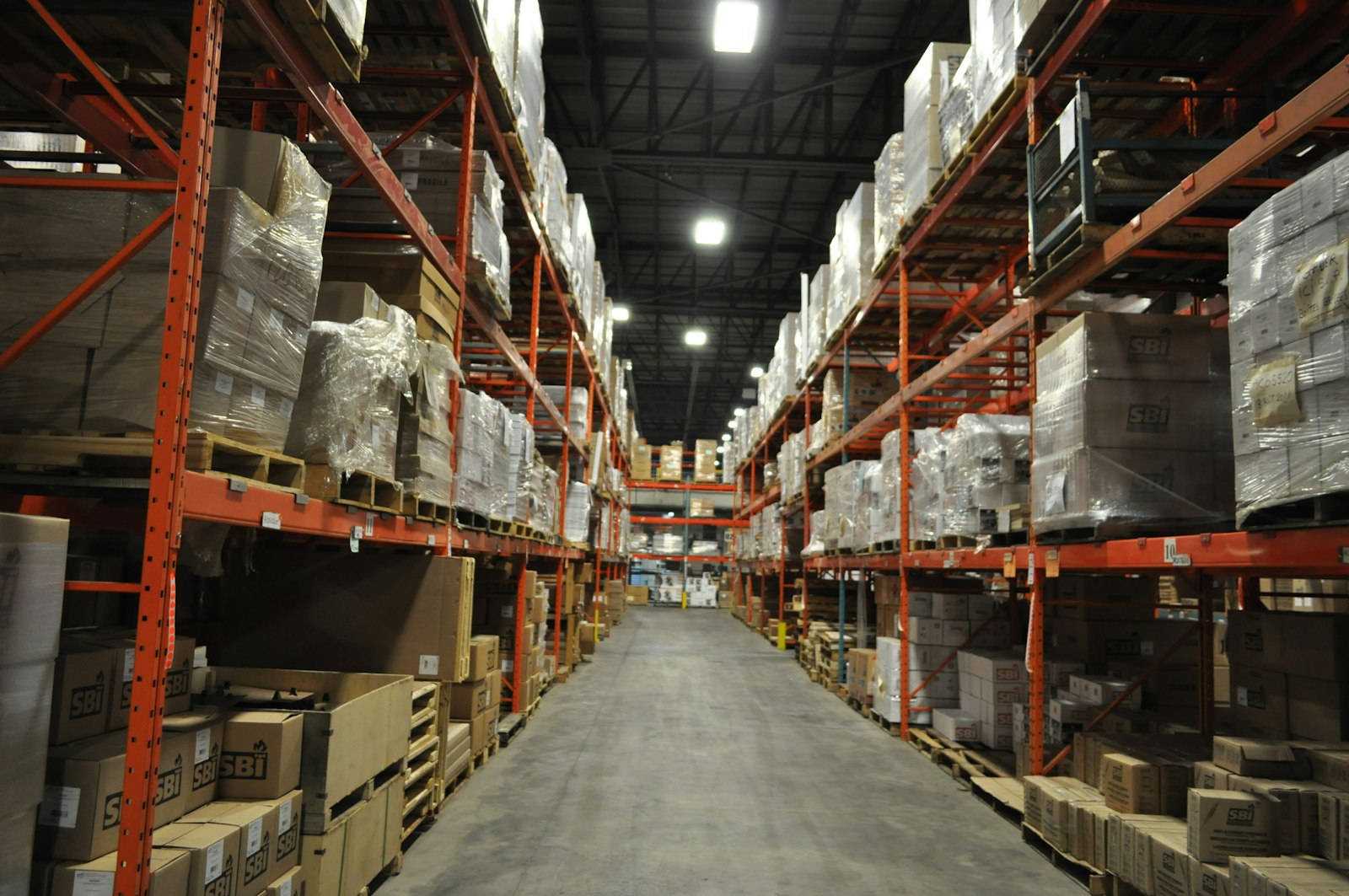
Retail Pro Prism chain-store management software simplifies sales processes, inventory management, stock counts, and customer-data collection. You can easily manage customer information within the software, optimizing how you track purchase data. Based on that data, you can roll out the right loyalty programs, building a lasting bond between consumers and your business — a key strategy for building a sustainable, growing retail chain.
- Address: 2nd Floor, 145 Nguyen Co Thach, District 2, HCMC.
- Hotline: 0915 133 733
- Email: infor@lbcint.com
Related articles

What is Unified Commerce? Its role in retail store chains
Unified Commerce is a model that integrates all sales channels and business management into a single system.
Experience in choosing an effective retail management solution
Useful experience to help you choose the best solution for your business model.

What is IoT? IoT applications in smart retail
IoT is changing retail through applications such as automated inventory management, contactless payments, and personalized customer experiences.