
Aspects of pharmacy management you need to know

The pharmaceutical industry is growing extremely fast thanks to large market demand. If you want to gain a foothold in the market and create a competitive advantage, [...]
The pharmaceutical industry is growing extremely fast thanks to large market demand. To gain a foothold in the market and create a competitive advantage, businesses in the industry must have appropriate and methodical management plans. In particular, pharmacy goods management is the most important step, determining business efficiency, especially when operating the chain.
The following article by LBC International explores issues related to commodity management when running a pharmacy chain business.
Related articles:
- Manage the store and prevent loss of goods due to petty theft
- Outstanding advantages of RFID in retail and inventory management
- What is inventory management and how to use inventory reports in retail businesses
1. The importance of goods management in the pharmacy
A pharmacy chain is a retail system including pharmacies, drug counters, and drug dealers established and directly operated by a business. The expertise of pharmaceutical retailers is to provide and sell drugs directly to users, including consulting and instructions on safe drug use.

In the race to manage pharmacy goods in Vietnam, there are three most prominent names: Pharmacity, Long Chau and An Khang. Currently, Long Chau has more than 12,000 SKUs nationwide with high retail revenue. An Khang pharmacy chain currently has about 600 stores, covering 33 provinces and cities nationwide. Pharmacity is one of the largest pharmacy chains in Vietnam, especially in terms of number of stores. Pharmacity's ambition is to reach the goal of 5,000 stores by 2025.
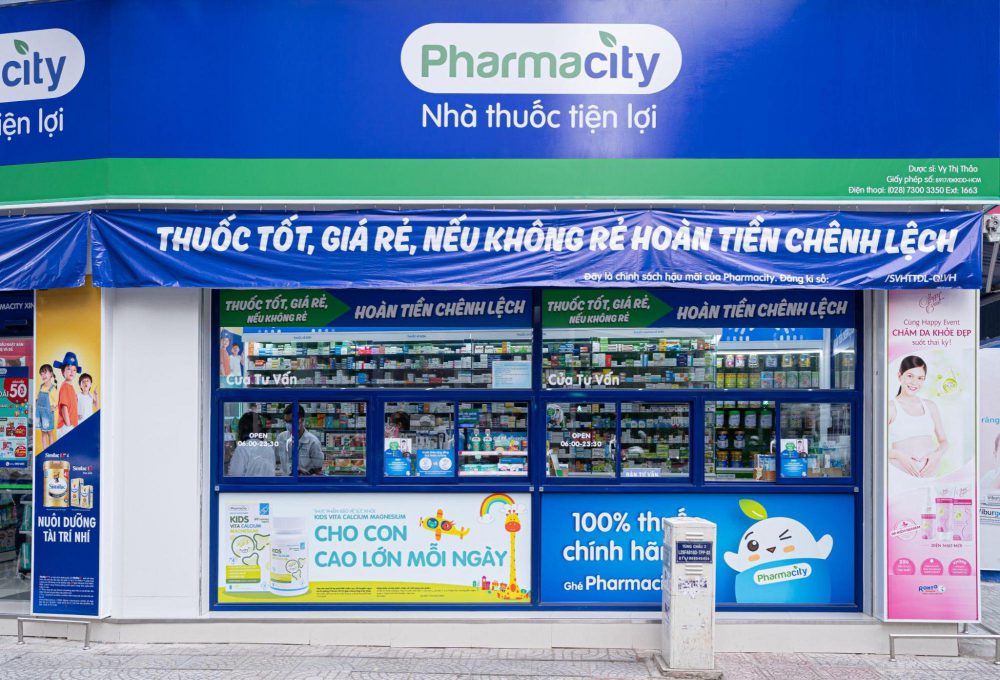
Merchandise and inventory management plays an important role in pharmacy business, especially when operating a chain. If managed well, businesses can avoid goods loss, save on storage and purchasing costs, increase revenue as well as working capital efficiency.
2. What needs to be done to manage pharmacy goods effectively
In drug retail, merchandise management is more than just selling. Administrators must have skills in retail management, business strategy and related activities. To manage goods effectively, retailers need to pay attention to the following issues:
Make a detailed sales plan
Sales plan is a roadmap for implementing a series of marketing and sales activities based on the actual situation of the business. Administrators are responsible for making sales forecasts, managing inventory, analyzing customer and supplier trends, developing specific sales plans, and arranging goods in the drug store according to each season.

Prepare a merchandise budget
Managing pharmacy goods has never been an easy task because they depend greatly on the store's budget. The goods budgeting process requires managers to predict customer demand, sales levels and costs that need to be allocated (cost of goods sold, transportation costs, costs due to loss or damage of goods...). The estimated budget may or may not be fixed, depending on the business's product portfolio, reduction levels, and estimated purchases.

Inventory planning
Inventory management is the process of handling issues related to goods receipt, orders, storage and management of goods. A good inventory management plan will help businesses improve cash flow, maximize profits, minimize the risk of goods loss and provide a seamless customer experience.
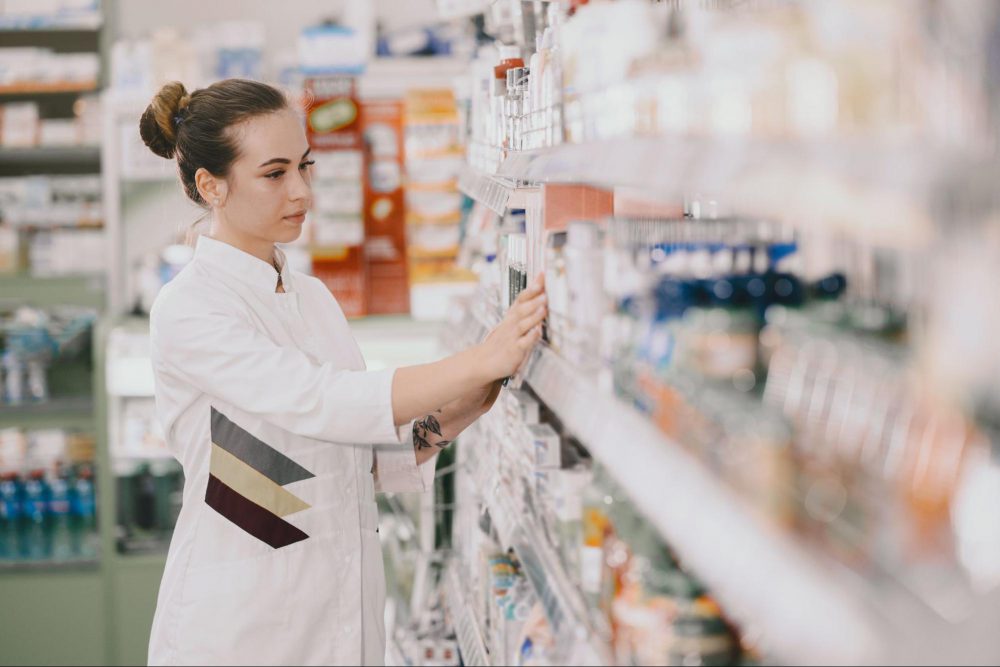
The person responsible for managing pharmacy goods must always maintain a sufficient amount of inventory to meet customer needs and the business's operating capacity. Specifically, the manager will budget inventory costs periodically, determining the amount of capital available at that time. This part of the budget is called OTB.
Commodity classification strategy
Merchandise assortment strategy in the retail industry involves the type and quantity of products displayed in a store. This is a strategic tool used by retailers to manage and increase sales. The classification strategy includes two components: vertical classification (number of variations of a product that the store can display), horizontal classification (number of product types that the store can display).

The administrator will be the one to plan and list product types and product variations. To build a product classification strategy in drug retail, the administrator must have a certain understanding of customer trends, the store's operational capacity and the sales capacity of the staff.
Applying technology in goods management
Technology is increasingly showing its importance in the retail sector. Applying technology not only helps improve the shopping experience and increase customer satisfaction, but also effectively supports administrators in managing goods, inventory and store operations.

Retail Pro Prism is merchandise management software specifically for the retail industry, especially suitable for business units in the pharmaceutical industry. With superior administrative features, businesses can manage pharmacy operations easily. Among them, the most prominent is the function of managing the list and quantity of drugs at the store, drug inventory, transaction history, order shipping and employee performance. In addition, Retail Pro Prism also supports businesses in information storage and customer care.
Effective pharmacy goods management is the key to success for business units in the pharmaceutical industry. Hopefully the information shared above will be useful for businesses in the management process. Businesses that want to learn about retail management software can contact LBC International for advice and support.
Articles and images compiled by LBC International.
Related articles

What is Unified Commerce? Its role in retail store chains
Unified Commerce is a model that integrates all sales channels and business management into a single system.
Experience in choosing an effective retail management solution
Useful experience to help you choose the best solution for your business model.

What is IoT? IoT applications in smart retail
IoT is changing retail through applications such as automated inventory management, contactless payments, and personalized customer experiences.