
How to manage a clothing or fashion store effectively today

A fashion store needs more than attractive products; it must operate systematically from purchasing and merchandising to customer care.
Today, fashion retail has become a promising yet highly competitive field. A fashion store, though, needs more than good-looking, on-trend products — it has to run in a scientific, professional way, from procurement and merchandising through to customer care. To get there, shop owners need solid store-management practices, streamlined processes, and modern technology to boost business performance.
1. Managing inventory for a clothing store or fashion shop
Organize the stockroom systematically
A store's stockroom might just be a small back room rather than a large warehouse, but without systematic organization, things quickly become chaotic and hard to control. A well-organized stockroom lets staff find items quickly and makes stocktaking easier.
One effective approach is to group products by category, style, size, or color. For adult clothing, you might organize by size (S, M, L, XL) or by item type (shirts, jeans, dresses). For children's clothing, you could organize by age group or measurements.
Use shelving, racks, and cabinets to clearly label and separate each product group. This makes items easy to find when needed and cuts search time. For your best sellers, prioritize placing them in the most visible, easy-to-reach spots.
Take stock regularly
Regular stocktaking lets you accurately track inventory status and catch shortages or surpluses early, so you can restock in time. Take stock at least quarterly, or use inventory-management software to track quantities continuously. Such software saves time, reduces errors, and provides accurate reports on stock levels and units sold.
2. Managing clothing products in-store

Another key factor in running a clothing store is product management. Being able to track remaining and sold quantities lets you make accurate decisions about restocking and marketing plans.
Track units sold and stock on hand
Fashion-store management software makes it easy to track units sold and stock on hand. This software provides detailed reports on the status of each product, helping you make accurate restocking decisions and streamline the sales process. Without software, you might track products via a notebook or spreadsheet, but that's time-consuming and error-prone — which is why using a modern tool for product management is essential.
Categorize and price products sensibly
How you categorize products in-store matters too. You can group products by price tier, from budget to premium, making it easier to set pricing for each group and design appropriate discount strategies when needed. Don't forget to keep promotional information updated so customers are never left disappointed.
3. Managing customers
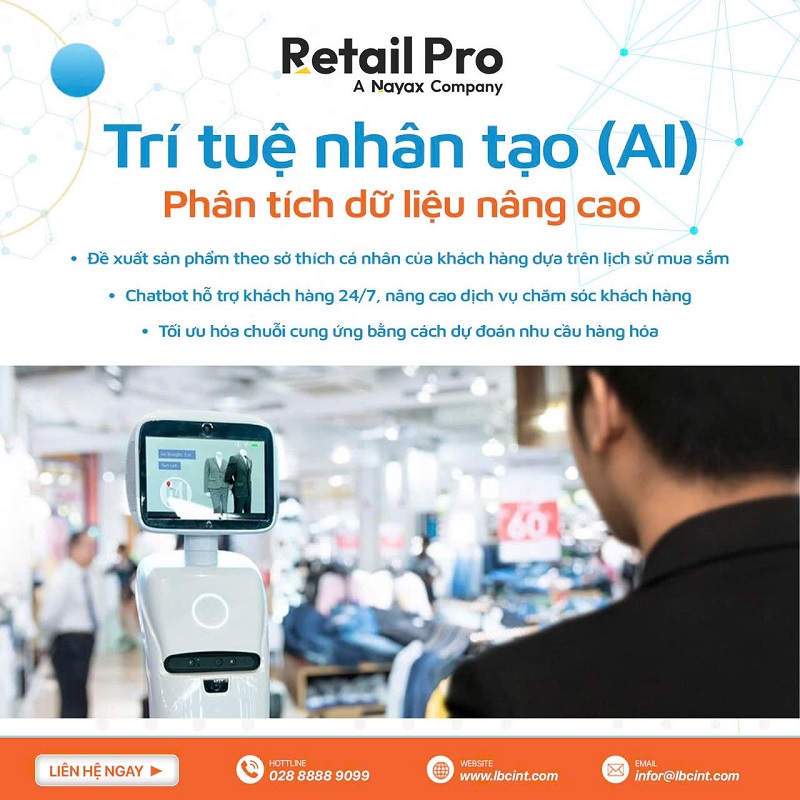
Customers are what determine any store's success. Building strong customer relationships and managing customers effectively is therefore an essential part of any store-management strategy.
Store customer information
Customer-management software lets you store each customer's purchase history, so you can offer promotions or special deals to loyal shoppers. This kind of software also helps you track customer debts and resolve order-related issues more easily.
Segment customers and build loyalty programs
One effective way to manage customers is to segment them into groups. You can divide customers by age, needs, or shopping habits to design promotions and discounts suited to each group — boosting revenue while building customer loyalty.
4. Managing finances
Finally, financial management determines a store's long-term growth. A clear financial plan helps you forecast capital needs, identify necessary costs, and optimize profit.
Track spending and revenue
To get a clear picture of your store's finances, record and analyze monthly spending and revenue. Financial-management software can make this easier and more accurate — it also helps you track payments and debts owed, so you can manage cash flow effectively.
Forecast profit and costs
Forecasting profit from marketing and sales strategies, alongside calculating operating costs (rent, staff salaries, advertising, and so on), is essential to keeping your store out of the red. Monitor closely so you can adjust your business strategy in time.
5. Managing staff
Staff play a critical role in a clothing store's ongoing success. They're not just salespeople — they represent your brand. Managing staff effectively keeps your store running smoothly and growing sustainably.
Ensure transparency in daily work
Managing sales staff requires close oversight of sales processes — from checking stock and charging customers to running promotions. This can be done by tracking transaction history and revenue reports through sales-management software. Staff should also be trained in professional communication and product advice to properly serve customer needs.
Reduce stock loss
Stock loss from staff fraud or carelessness is a fairly common problem in fashion stores. To reduce this, you can apply controls such as requiring staff to check and sign off on daily stock in/out, especially during sales or promotions. You can also use surveillance cameras or barcode scanners to accurately track units sold.
Organize staff training and development
To help sales staff better understand products, services, and promotions, hold regular training sessions. This is how staff learn to deliver high-quality service, give sound advice, and avoid mistakes around pricing or promotional information.
Retail Pro Prism — effective clothing-store management software
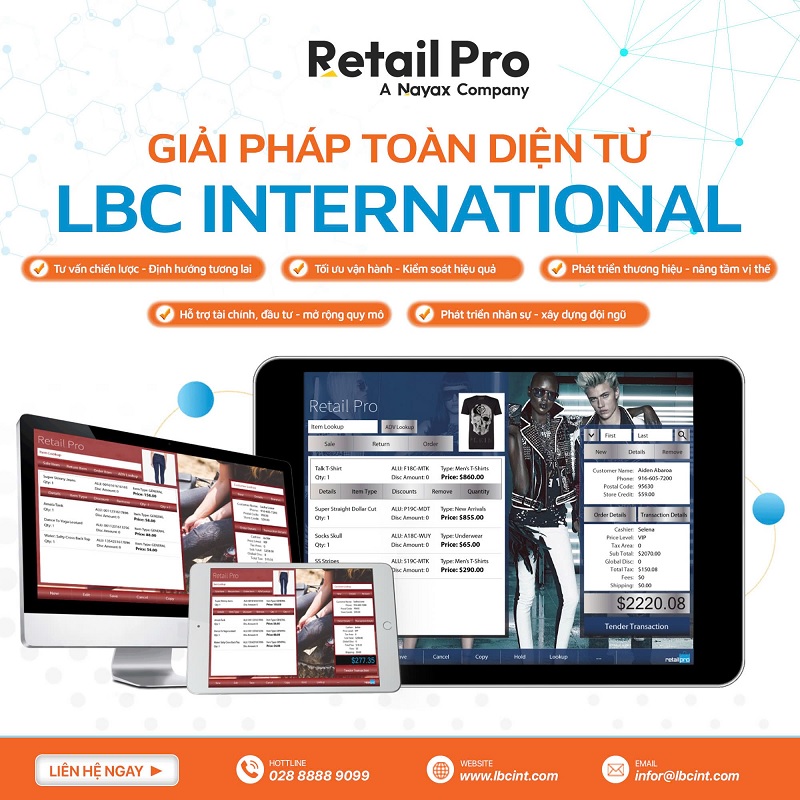
As technology advances, store-management software has become increasingly popular, helping shop owners not only streamline sales but also improve the customer experience. Retail Pro Prism is a clothing-store management solution developed by Retail Pro, chosen by many businesses for its powerful features and friendly interface.
Standout Retail Pro Prism features:
- Smart inventory management: Retail Pro Prism closely tracks and controls stock, avoiding shortages or surpluses so the store always maintains an optimal stock level.
- Flexible sales and checkout: the software supports multiple payment methods and integrates with hardware such as barcode scanners, making checkout fast and accurate.
- Multi-channel sales integration: Retail Pro Prism manages sales not just in-store but across online channels too, letting shop owners control and grow every sales channel at once.
- Detailed analytics and reporting: the software provides detailed reports on revenue, cost, and profit, helping store owners make smart, timely business decisions.
- Customer and promotion management: Retail Pro Prism helps create appealing promotions, track customer information, and deliver better customer care — increasing repeat-purchase rates.
LBC International is proud to be the official Retail Pro partner in the Vietnamese market, with over 10 years of experience delivering retail-management solutions to stores, chains, and businesses. We continually strive to deliver optimal value to customers through advanced technology and effective management software like Retail Pro Prism. With an experienced team of experts, LBC International is committed to walking alongside our customers, helping them streamline operations and grow sustainably in today's highly competitive retail environment.
For more details on Retail Pro Prism, visit the LBC International website or contact us directly at hotline 0915 133 733 for tailored advice and the right solution for your store.
Related articles

What is Unified Commerce? Its role in retail store chains
Unified Commerce is a model that integrates all sales channels and business management into a single system.
Experience in choosing an effective retail management solution
Useful experience to help you choose the best solution for your business model.

What is IoT? IoT applications in smart retail
IoT is changing retail through applications such as automated inventory management, contactless payments, and personalized customer experiences.