
Digital technology transformation in the retail industry: Now or never
Consumer shopping habits change gradually over time, modern customers have more and more choices. Technology experiences [...]
Consumer shopping habits change gradually over time, modern customers have more and more choices. New technology experiences give rise to new needs, customers do not simply buy a product but also want to buy quality service. Digital technology transformation in the retail industry is an inevitable trend in the 4.0 era. To be successful and gain a competitive advantage, retailers must digitize now.
Join LBC International to learn about the digital transformation process in the retail industry through the following article.
Related articles:
- What's happening in the digital transformation of the retail industry?
- Top 4 transformation trends to manage and stimulate purchasing behavior for the retail industry
- Trends in technology application in the retail industry in the new year
1. Retail industry market context
For many years now, Vietnam has always been considered one of the vibrant and attractive retail markets for investors. According to statistics in 2022, Vietnam's retail industry has a market size of up to 142 billion USD, predicted to increase to 350 billion USD by 2025. With the digital transformation of the retail industry, the industry promises to continue to grow strongly and maintain a high growth rate.

Over the past decade, the average growth rate of the retail industry has reached 11.5%/year, except for 2021. The total retail level in the GDP structure increased from 8.5% (2011) to 78.88% (2022), contributing greatly to added value to GDP. Besides the impressive numbers mentioned above, the retail service industry also achieved many results in developing Vietnamese product brands, the proportion of Vietnamese goods in the retail distribution system always reached over 80%.

In terms of structure, the Vietnamese retail market has 3 main sales channels: traditional, modern and online. Among them, traditional retail channels such as markets or grocery stores are still popular sales channels, with stable growth. Modern channels (supermarkets, shopping centers, convenience stores...) gradually dominate the market, especially in large cities. Online channels applying digital technology are considered the future of the retail industry, demonstrated by the strong rise of e-commerce and online shopping.
2. Why is it necessary to transform digital technology in the retail industry?
Digital transformation of the retail industry is the process of shifting the business model from focusing on products to focusing on customer experience, based on digital chain data. Digitalization has become a general industry trend thanks to the following benefits:
Optimize the quality of customer experience
Consumer behavior and needs are constantly changing, and requirements for retailers are also increasing. Now, improving user experience is a prerequisite for creating competitive advantage.
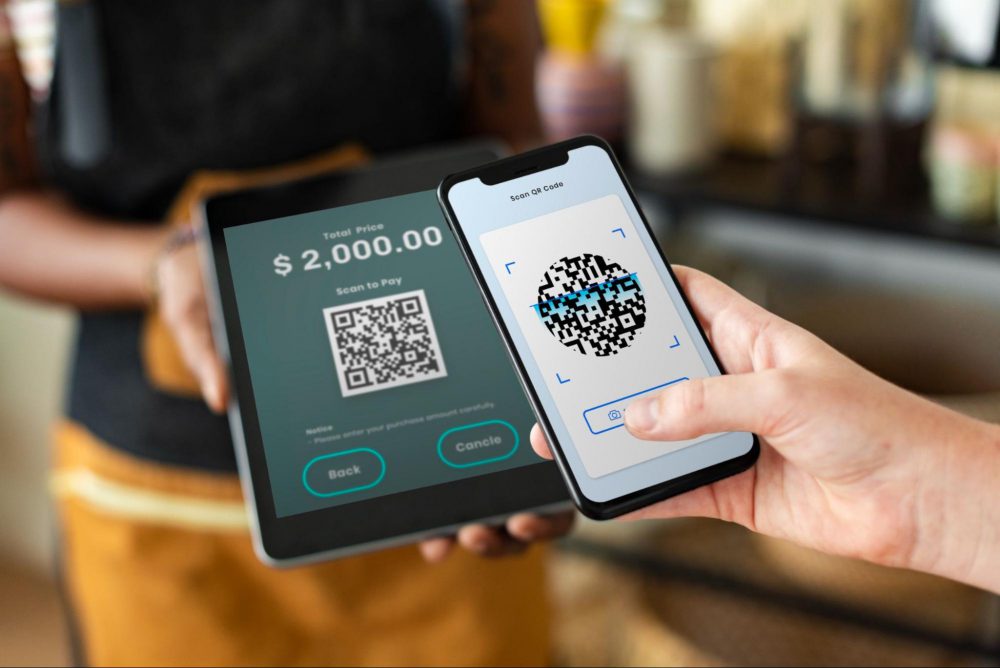
With the support of digital technology, retailers can bring optimal experiences to their customers, such as quick payments thanks to AI and fusion technology, product testing with virtual reality (VR) / augmented reality (AR), product inspection with QR codes...
Repositioning the industry and business position in the market
Digital technology transformation of the retail industry contributes to repositioning the boundary between traditional retail and the market. Digitalizing a business is a way to connect resources, eliminating the barriers of the digital and physical world. In addition, digital transformation also helps retailers successfully build an ecosystem of suppliers, retailers, store owners, customers and technology providers.
Contribute to effective management
Applying technological achievements in management is necessary to optimize and synchronize processes and improve work performance. The effectiveness of digitalization is clearly promoted for retail units with complex management processes such as sales, human resources, inventory, accounting, distribution - transportation...

Build seamless processes
With digital transformation, businesses can standardize the working processes of different departments and divisions, forming a seamless and unified chain. In other words, thanks to digital technology transformation in the retail industry, all work in the system will be processed more flexibly and quickly, and administrators can also monitor the performance of remote personnel.
Human resource management - optimal work
Through business digitization, administrators can deploy management systems and software to optimally manage human resources. It will be easier for employees in departments to report daily work and update goods information to management levels. On the contrary, administrators can proactively monitor all parameters and data and compare when necessary.
3. How are retail businesses implementing digital technology?
According to information from Straits Time, Inditex - the company that owns the Zara fashion brand - will close 1,200 stores worldwide to focus on online sales. In Vietnam, large supermarkets such as BigC or VinID are also gradually developing online shopping applications to serve consumers. The above examples show that applying digital technology is an important step to help businesses sustain in the retail industry.

Digital transformation of the retail industry will start from converting from traditional sales channels to modern sales channels, using digital services in payment, delivery, administration and customer care. In addition, businesses also apply technology to business management and operations, specifically in goods management, finance, human resources and marketing activities.
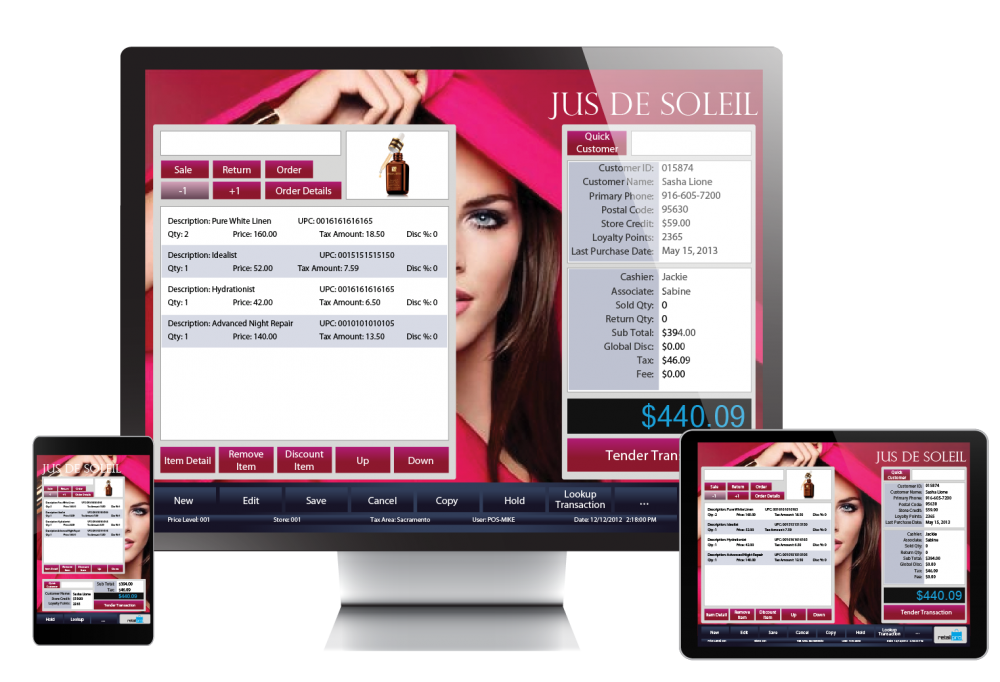
Retail Pro Prism is a retail management software solution from LBC International, suitable for businesses that want to digitally transform. The software is equipped with superior features, allowing retailers to manage store chains remotely. The entire product management system, inventory, orders, employee performance, customer list... are all integrated on the same platform, providing optimal management efficiency.
Digital technology transformation in the retail industry is an inevitable trend of the industry. The sooner it digitizes, the more advantage businesses will have in the market. Businesses that want to learn about retail management software can contact LBC International for advice and support.
Articles and images compiled by LBC International.
Related articles
What is Unified Commerce? Its role in retail store chains
Unified Commerce is a model that integrates all sales channels and business management into a single system.
Experience in choosing an effective retail management solution
Useful experience to help you choose the best solution for your business model.
What is IoT? IoT applications in smart retail
IoT is changing retail through applications such as automated inventory management, contactless payments, and personalized customer experiences.