
Applying technology and its positive impact on retail marketing strategy
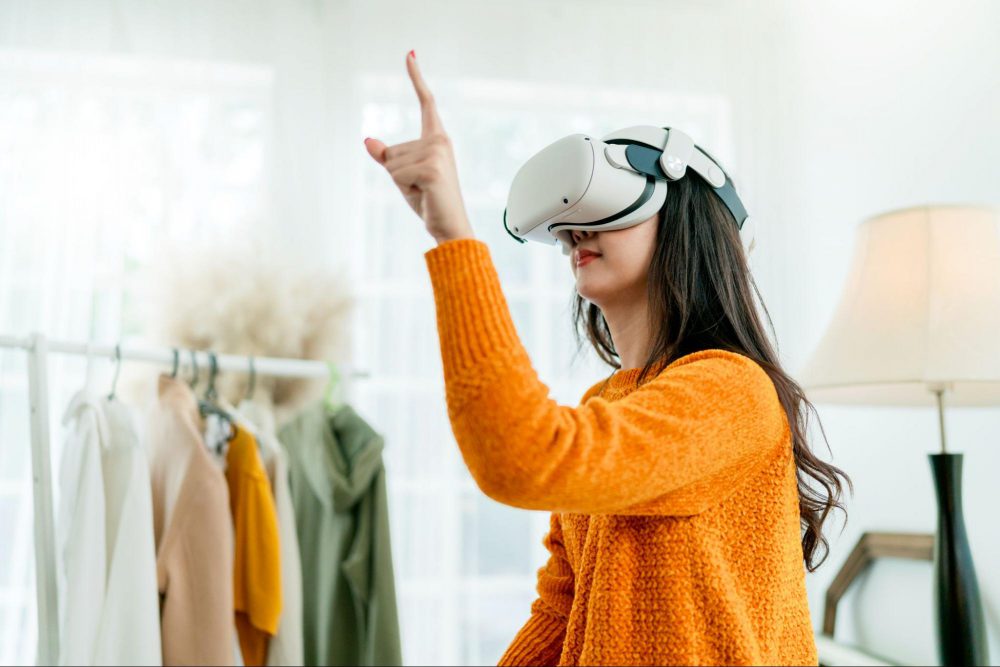
Rapid technological development is changing consumer shopping habits. This article examines how technology adoption contributes to successful retail marketing strategies.
Marketing plays a critical role in modern retail, serving as the bridge between sellers and customers. As technology advances at an ever-faster pace, consumer needs and shopping habits are changing along with it. Applying technology has become an industry-wide trend, improving the customer journey and raising the effectiveness of marketing campaigns.
So how does technology influence the success of retail marketing strategies? And how can businesses apply technological advances effectively? Let's find out with LBC International in this article.
1. Marketing strategy in the retail industry
A retail marketing campaign is one run by businesses that sell retail goods. Retail marketing has its own unique characteristics, using different channels to market and sell merchandise. In other words, retailers must continuously run marketing campaigns to drive customers into stores and prompt purchases.

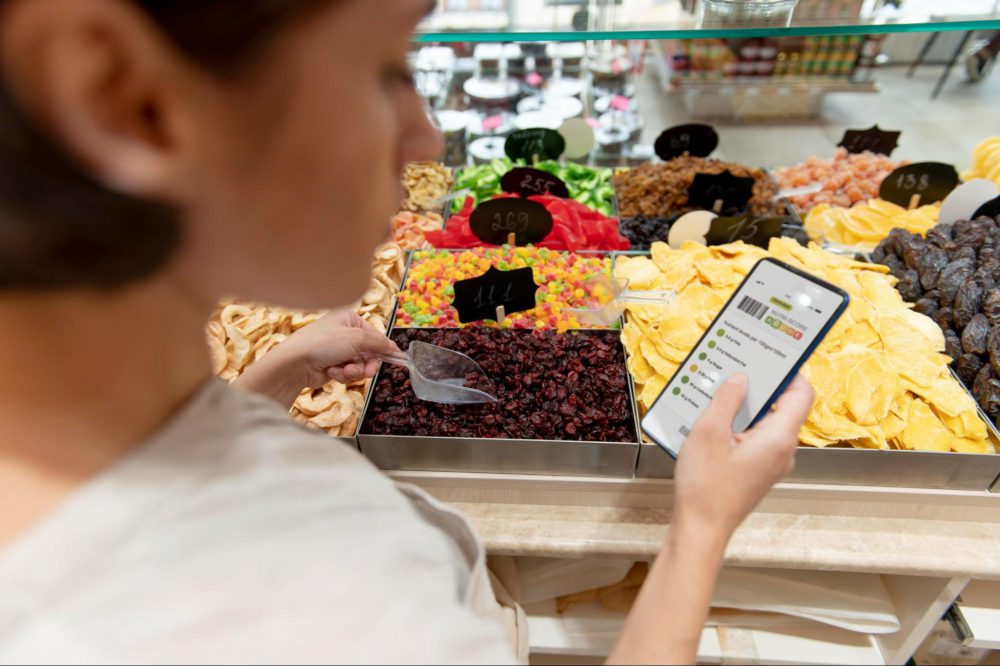
Today, with the rise of technology adoption, a new concept has emerged: modern retail marketing, or digital marketing. Modern retail marketing is built on a value-chain model that centers on customer needs, with the ultimate goal of delivering satisfaction with a business's products and services. By expanding the digital experience — websites, social media, email marketing, e-commerce, and more — throughout the marketing journey, retailers can attract customers more effectively.
Alongside modern marketing, traditional retail marketing formats are still used across the industry. Traditional marketing centers on the product, is primarily profit-driven, and places less emphasis on the customer. Put simply, the sole goal of traditional marketing is to sell products and generate profit. Traditional marketing formats still used in retail today include billboards, flyers, and TV advertising.
2. The positive impact of technology on the success of retail marketing strategies
Today, most marketing strategies are supported by technology. This means technology plays a critical role in a strategy's success, helping raise the effectiveness of marketing campaigns.
Improving customer satisfaction
Customers today aren't simply buying a product or service — they're paying for the experience throughout the entire journey of buying and using that product. Technology is the core enabler of a complete, seamless, and memorable experience journey, driving customer loyalty to the brand.
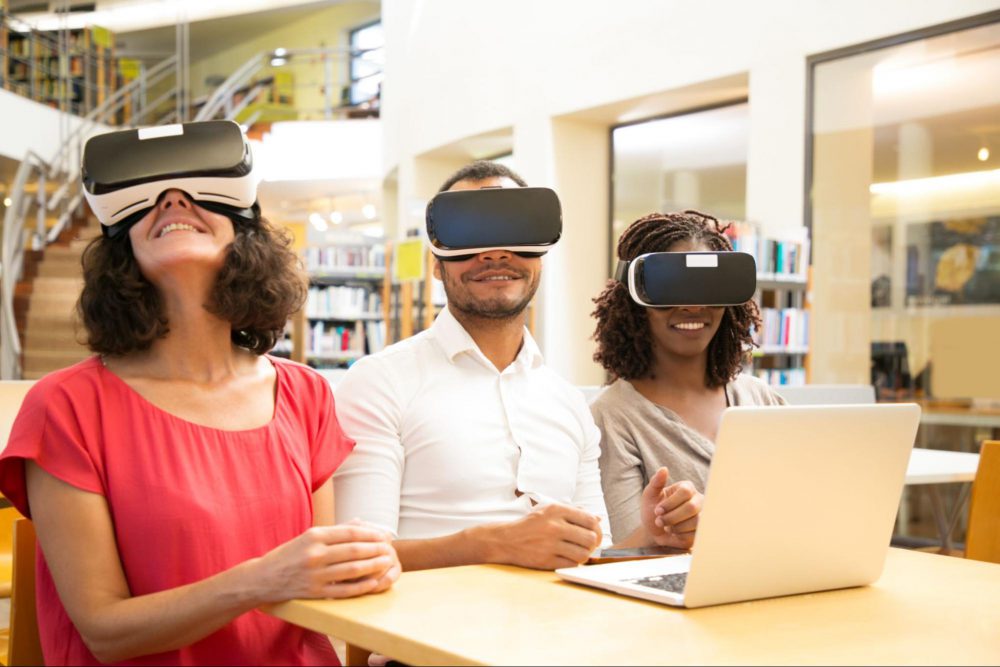
A wave of new technologies (AI, AR/VR, and more) and the trend of applying technology to the shopping and payment process to boost customer satisfaction are the clearest evidence of this.
Automating ad-space control
Controlling advertising space is a key goal in marketing strategy. With advancing technology, ad space can now be controlled automatically. Retailers simply supply images, copy, or video, and the system automatically distributes the ads across available inventory.
Increasing engagement
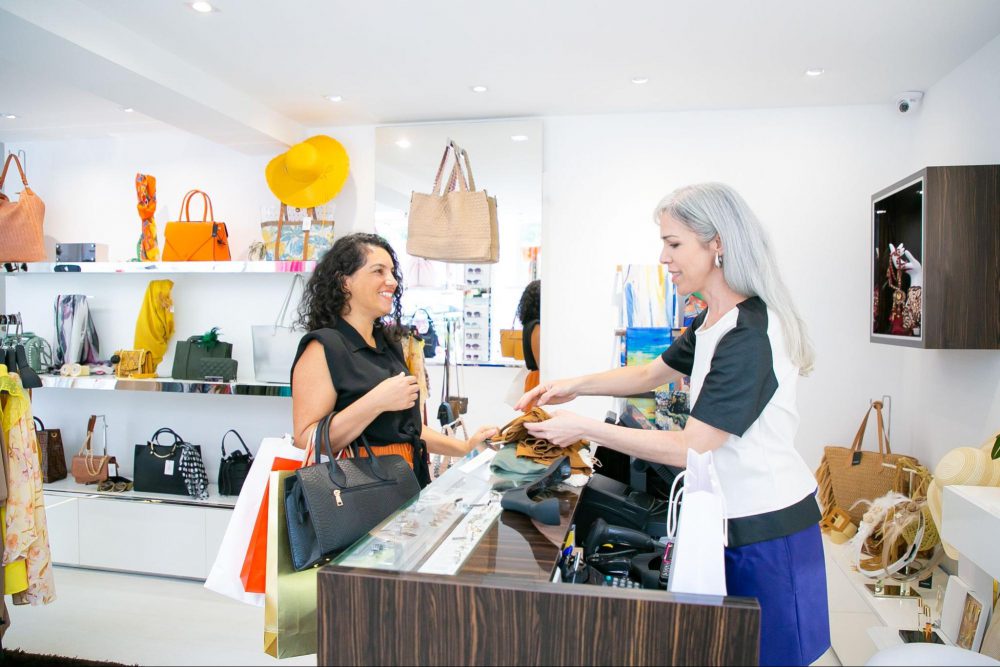
Technology provides retailers with tools to listen to, receive, and engage with customers quickly and responsively. Beyond boosting engagement, technology helps build a strong bond between brand and customer, turning them into loyal customers of the business.
Improving forecasting
Applying technology makes it easy for businesses to gather important customer information, including demographics, preferences, and consumption habits. From that data, retailers can forecast market demand and future spending capacity. This also gives businesses the basis to adjust product and service volumes, pricing, and after-sale care policies.
3. Applying technology in marketing strategy
Going forward, technology will keep positively influencing the success of retail marketing strategies. Social media, in particular, has been and continues to be a growing investment for retailers because of the results it delivers. Through social platforms, retailers can reach more customers, track market trends, and boost the effectiveness of their marketing strategy.
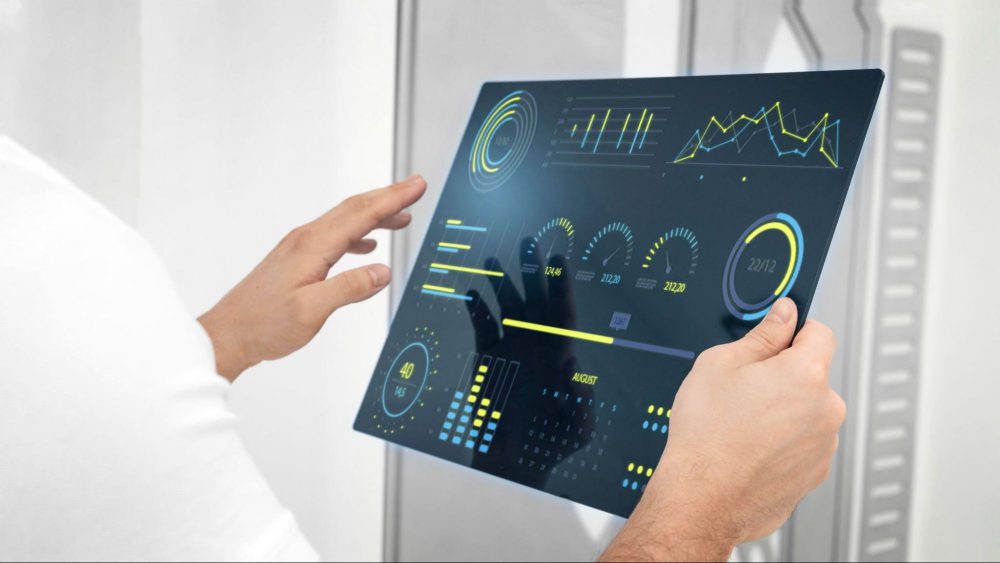
Next is data-analytics technology — many retailers now use it to meet customer needs and raise order-conversion rates. Amazon and eBay are giants that have succeeded by leveraging Big Data. Using the data they collect, they recommend products customers are interested in and set pricing and promotions for each item.
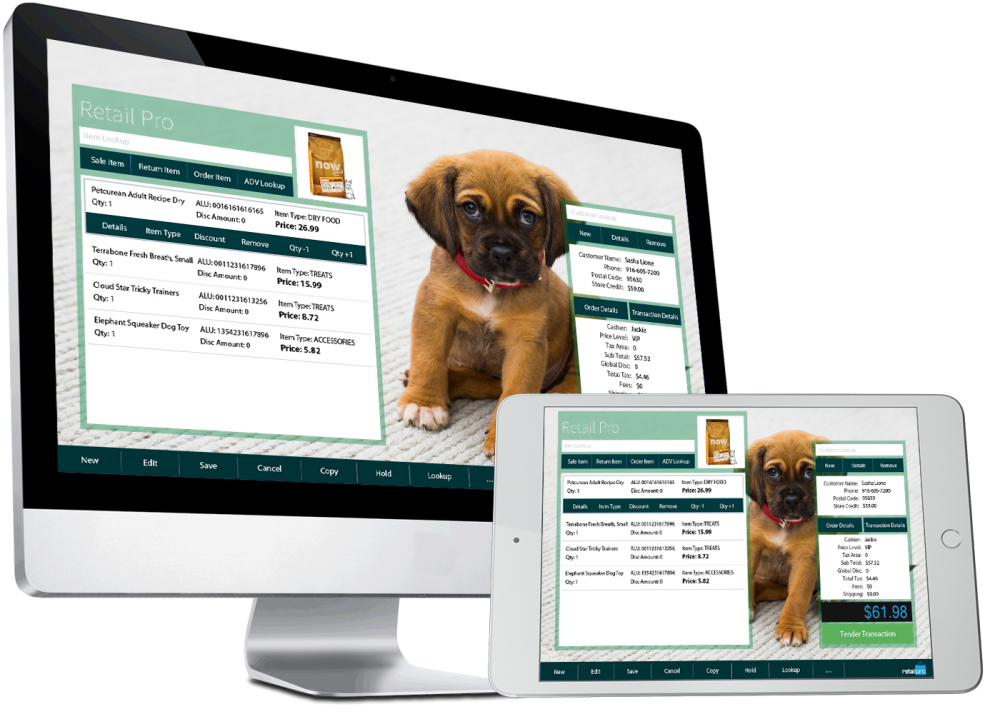
Retail Pro Prism is management software purpose-built for retailers, suited to a wide range of industries. It comes equipped with best-in-class features that manage points of sale and products while improving the customer experience. Retail Pro Prism is also highly effective at collecting customer data, managing customer care, and planning retail marketing.
Advancing technology gives retail businesses the opportunity to transform themselves powerfully, and adopting technology is now an inevitable trend. To optimize marketing campaigns and build a competitive advantage, businesses need a digital transformation plan starting now. If your business wants to learn more about retail management software, contact LBC International for further consultation.
Related articles
What is Unified Commerce? Its role in retail store chains
Unified Commerce is a model that integrates all sales channels and business management into a single system.
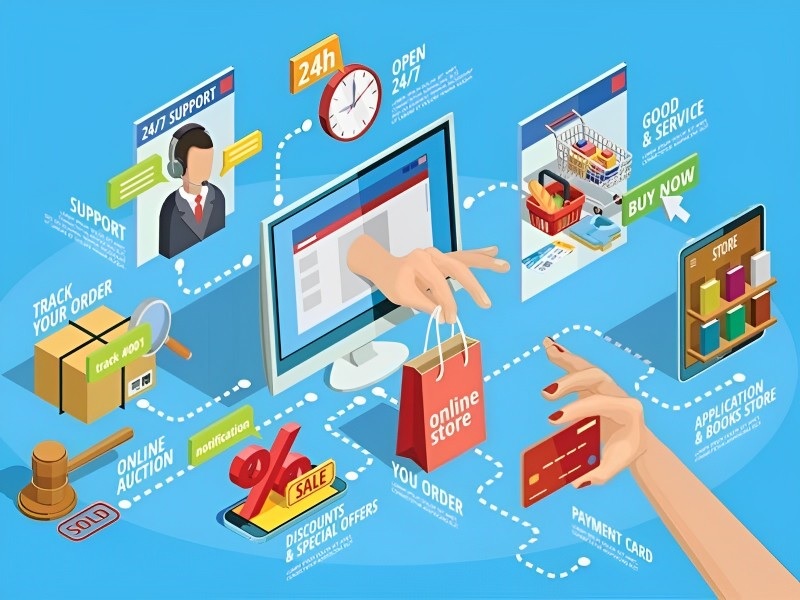
Experience in choosing an effective retail management solution
Useful experience to help you choose the best solution for your business model.
What is IoT? IoT applications in smart retail
IoT is changing retail through applications such as automated inventory management, contactless payments, and personalized customer experiences.