
Experience in effective retail store chain management
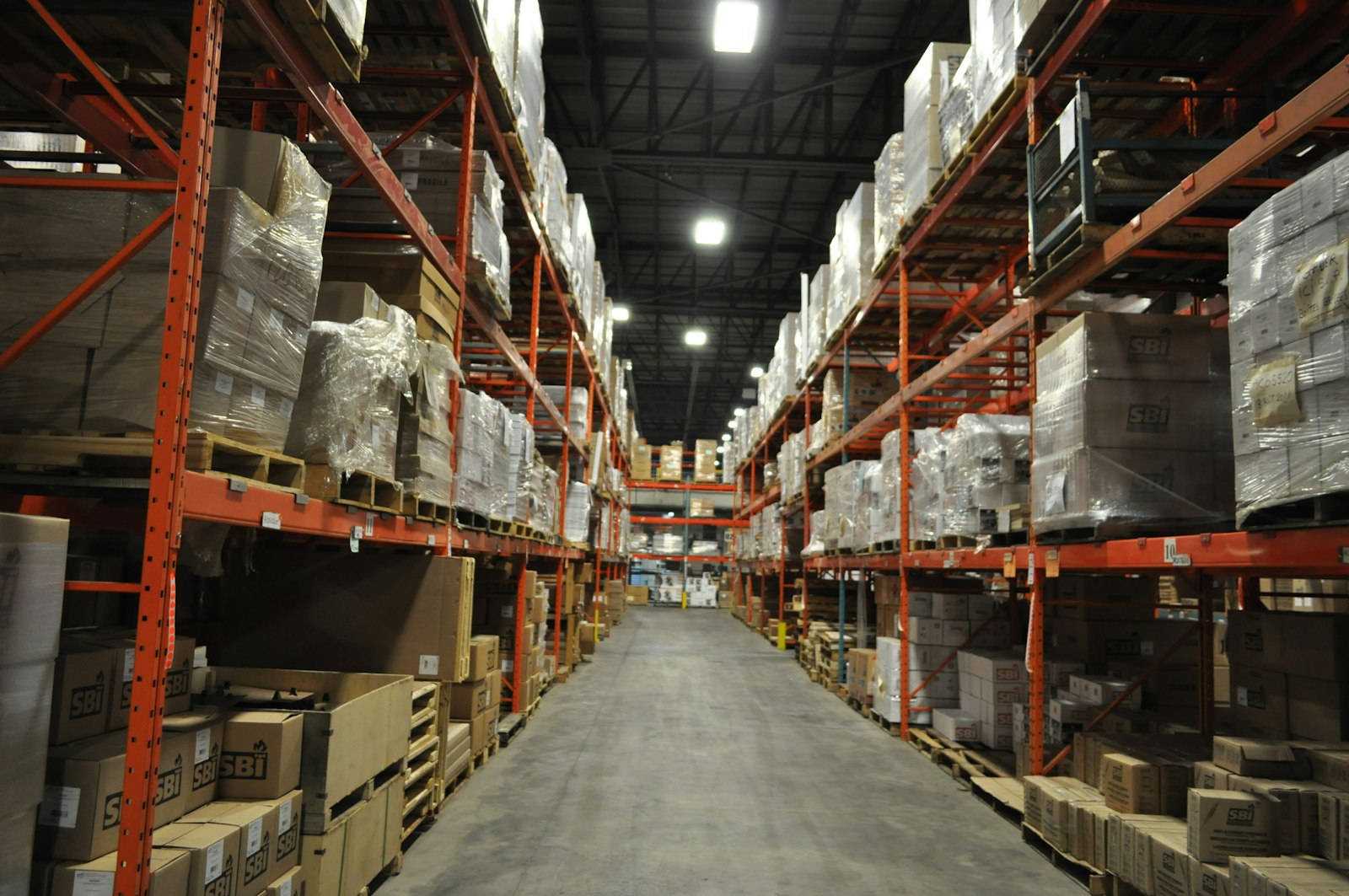
Retail chain management experience shows that retaining customers is not merely a task, but a long-term strategy for sustainable growth and success.
With the advantage of a large population and a retail trade growth rate of 12% per year, Vietnam is emerging as a potential market to build and develop store chains to meet the increasing needs of consumers. Expanding from a single store to a retail chain not only brings opportunities to increase brand recognition and revenue, but also poses many challenges that chain managers need to pay attention to.
Most retail investors often achieve success with their first store, whether in the grocery, fashion, pharmaceutical, coffee or food sectors. However, when expanding to a second or third store, business efficiency often declines. Sales from new stores are often far behind those of the first store. This raises the question: What is the experience of managing a retail chain to achieve high efficiency?
In Vietnam, the majority (90%) of retail outlets are owned by households, opened spontaneously and lacked strategic planning from the beginning. Therefore, many stores fall into the situation of "the bigger - the more miserable": the scale grows, but the store owners gradually lose control of their operations. This can be completely avoided if the right management methods are applied. Let's learn about common problems and solutions to improve retail chain management efficiency.
1. Financial management - Foundation for effective store chain management
To successfully operate a chain of stores, whether large or small, financial management always plays a core role. Finance is not simply cash flow, but also includes factors such as raw materials, assets, initial capital, and items arising in the business process, such as accounts receivable or payable.
However, not all managers can optimize financial management, especially when the chain scale is increasingly expanding. This is a complex problem, requiring specific solutions in many aspects, including:
- Capital source: Where to mobilize from? Contribute capital, borrow, or self-finance? When can new stores reach break-even point?
- Cash flow: Closely monitor revenue from sales, import and operating costs, as well as return transactions.
- Overall financial health: How much cash or bank account balance does the chain currently have?
- Revenue & profit: Analyze total revenue by month, quarter, year and compare profits between branches.
- Business efficiency: Calculate net profit after deducting all costs in business activities.
Effective financial management not only helps managers grasp the business situation but also assists in optimizing decisions, from controlling inventory, minimizing costs, pricing products, paying salaries to employees, to reinvesting in business activities. Accurate data is the foundation for analyzing and making strategic changes appropriate to each stage.
With experience managing retail chains, building a transparent and effective financial management system not only helps retailers increase control but also ensures sustainability and growth for their store chains.
2. Building human resources - A core element in retail chain management
In Vietnam, one of the weaknesses of many businesses and retail stores is that they do not pay attention to personnel training. In the retail sector, employees often lack commitment, consider this a temporary job and easily leave when another opportunity arises. This creates a big challenge in maintaining a stable and quality team.

To solve this problem, managers need to pay special attention to training right from the time of recruiting new employees. It is important to guide them to comply with work rules and build store culture, helping them clearly understand their role in the large system. When employees are aware of the importance of service attitude, they will be more responsible for their work, thereby minimizing errors that affect the brand image.
An effective way to develop human resources is to build systematic training processes. Stores can consult experiences from predecessors or seek advice from experts in the retail field. Employee training not only focuses on providing product knowledge, but also helps them practice consulting, customer care, and situation handling skills to effectively retain customers. This is the experience of managing a retail chain that any manager needs to remember.
Learning from successful human resource management models in the world, such as in Japan, is a direction worth considering. Here, employees are trained right from the moment they join and continue to receive periodic training throughout their working life. This helps them not only improve their skills but also effectively grasp and apply processes, contributing to promoting the development of the system.
In short, building human resources is not only a tool to maintain stable operations, but also a solid foundation to apply successful retail chain management experience, creating momentum for sustainable development in the retail sector.
3. Product quality - A key factor in retail chain management
According to market research, retailers in Vietnam lose on average 7-12% of revenue each month due to ineffective control of goods and costs. When expanding from a single store to a chain, merchandise management becomes significantly more complicated due to the increase in quantity, variety and the need to transfer goods between branches.
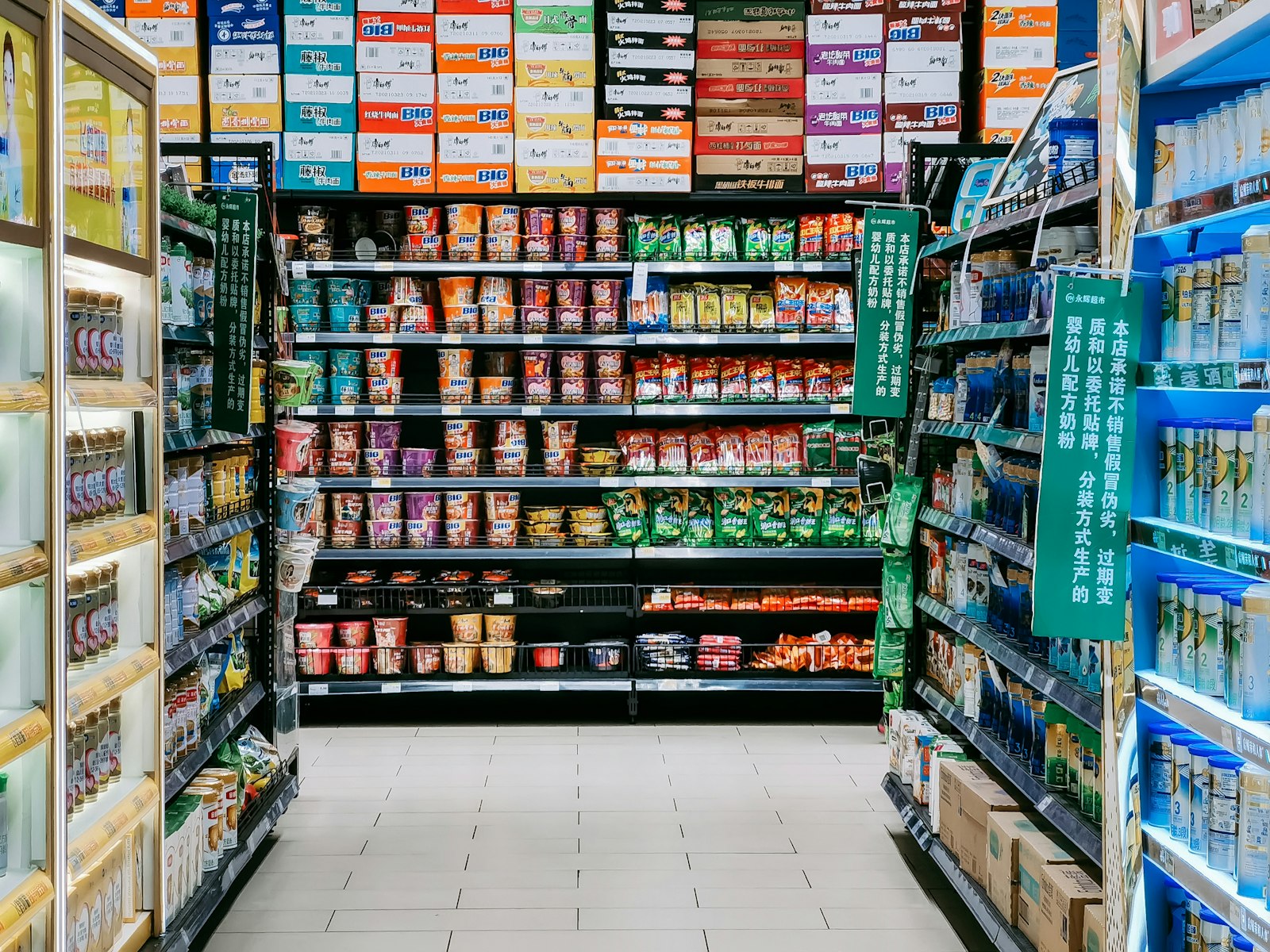
In particular, the process of transferring goods between business locations often consumes a lot of costs and time. To achieve high efficiency, managers need to ensure products are always of good quality, have stable prices, and are suitable for the specific needs of each region. If this stage is loosely controlled, not only will sales be affected, but it will also reduce customer experience, thereby causing long-term damage to the brand.
A common mistake that leads to the failure of many chain stores is not finding a stable supply of goods with good quality and reasonable prices. In the early stages of expanding the chain, lack of capital and human resources prevented many store owners from building their own warehouses, leading to an inability to promptly meet the needs of branches. This is a vital problem that requires careful consideration and experience in effective retail store chain management.
Consumers today are increasingly knowledgeable. They not only care about price or service but also require goods to have a clear origin and guaranteed quality. If your store doesn't meet these factors, customers will quickly turn away, no matter how well organized your system is. Many chain stores fail not because of poor internal management, but because they cannot retain customers because of unstable supply, lack of variety of goods or uneven quality.
Therefore, experience in retail chain store management shows that building relationships with reliable suppliers and establishing a professional merchandise management system are prerequisites for sustainable development of the store chain. Ensuring product quality is not only a way to maintain customer trust, but also a long-term strategy to increase competitive advantage.
Good management of product quality and supply is the key for retailers to apply successful retail chain management experience, helping the system operate smoothly and develop strongly.
4. Retaining customers - The secret to success in retail chain management
In the retail sector, especially when operating chain stores, customer data management and implementation of customer care programs are often overlooked. The cause may come from old habits or lack of knowledge on how to effectively collect and manage customer information, especially when the number of customers is increasing with the scale of the chain.
Many retailers still believe that "the customer is king". However, do they really understand this "god"? Why do customers come to your store? Are they satisfied or dissatisfied with the product, price, or service attitude? And if you are not satisfied, do you have any methods to identify and fix it? In fact, most managers often rely on personal judgment rather than specific data to answer these questions. Not only does this cost them opportunities to improve, but it also makes customer retention more difficult.
Therefore, customer care does not stop at sales, but also includes tracking customer information and behavior, analyzing satisfaction levels, and offering appropriate gratitude programs. This is an indispensable part of effective retail store chain management experience. Controlling sales from each customer, updating customer information and status regularly will help managers better understand their needs and desires, thereby increasing the chance of long-term customer retention.
In the process of building a chain of stores, it is difficult for managers to avoid mistakes such as lack of capital, choosing the wrong location, not investing in the process, or mistakes in recruiting and training personnel. In addition, not making a timely decision to cut losses is also a cause of failure. To limit these risks, applying systematic retail store chain management experience from the beginning is the key factor.
Retail is an art that requires creativity, and to be successful in this field, it requires flexible, agile technology and a solid foundation to help improve business efficiency.
With more than 30 years of experience in the technology industry, LBC is proud to bring Retail Pro Prism - new generation retail management software. Retail Pro Prism not only incorporates modern features into traditional retail management software, but also creates a powerful platform that meets today's business needs. With this solution, your company can effectively manage, optimize processes and thrive in a challenging retail environment.
Customers not only need to be served well but also need to feel cared for and appreciated even after the transaction has ended. When retailers know how to intelligently collect, manage and leverage customer data, they not only improve customer satisfaction but also create a sustainable competitive advantage. In summary, retail chain management experience shows that retaining customers is not only a task but also a long-term strategy for sustainable development and success.
Related articles

What is Unified Commerce? Its role in retail store chains
Unified Commerce is a model that integrates all sales channels and business management into a single system.
Experience in choosing an effective retail management solution
Useful experience to help you choose the best solution for your business model.

What is IoT? IoT applications in smart retail
IoT is changing retail through applications such as automated inventory management, contactless payments, and personalized customer experiences.