
What to know about the store chain business model
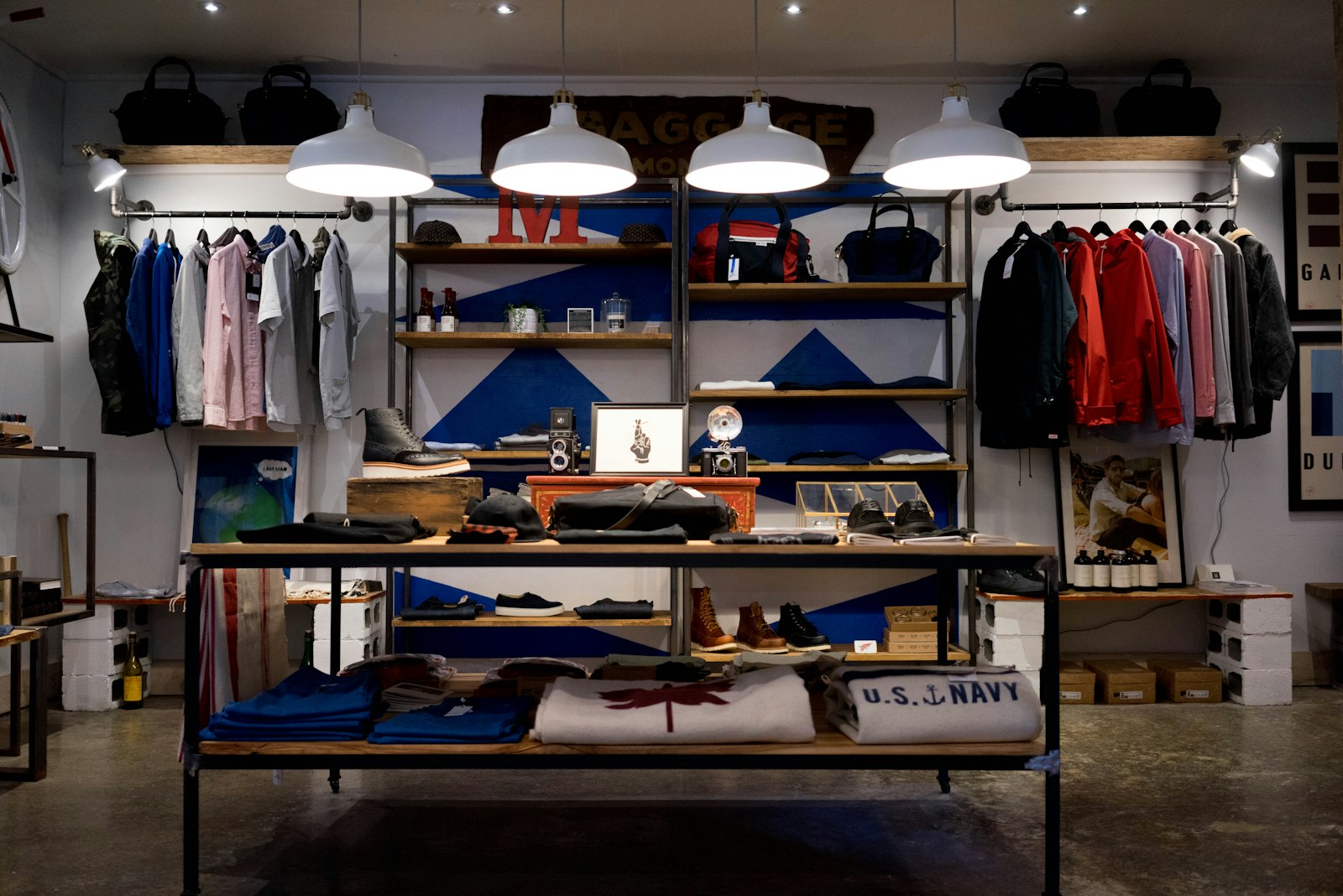
The store chain business model is a trend many retailers choose to increase revenue and expand their market presence.
The chain store business model is currently a trend chosen by many retail businesses to increase revenue and expand presence in the market. So what types and outstanding characteristics does the chain store business model have? Let's explore details with LBC in this article!
1. What is the chain store business model?
The chain store business model is a method of allocating a business's resources into a system of retail stores, providing goods and services directly to customers. In this model, businesses often hire a team of staff, including managers and sales staff, to operate and monitor the operations of each store. Stores in the chain will report business results and operations to the business, helping to maintain effective control and management.
2. Characteristics of the chain store business model
Chain store business models often have some outstanding features as follows:
- A chain store usually includes at least two or more stores, widely distributed in the target market that the business is targeting. These stores are all operated and monitored by a central headquarters.
- Chain stores often offer one or more products, depending on the business's business strategy.
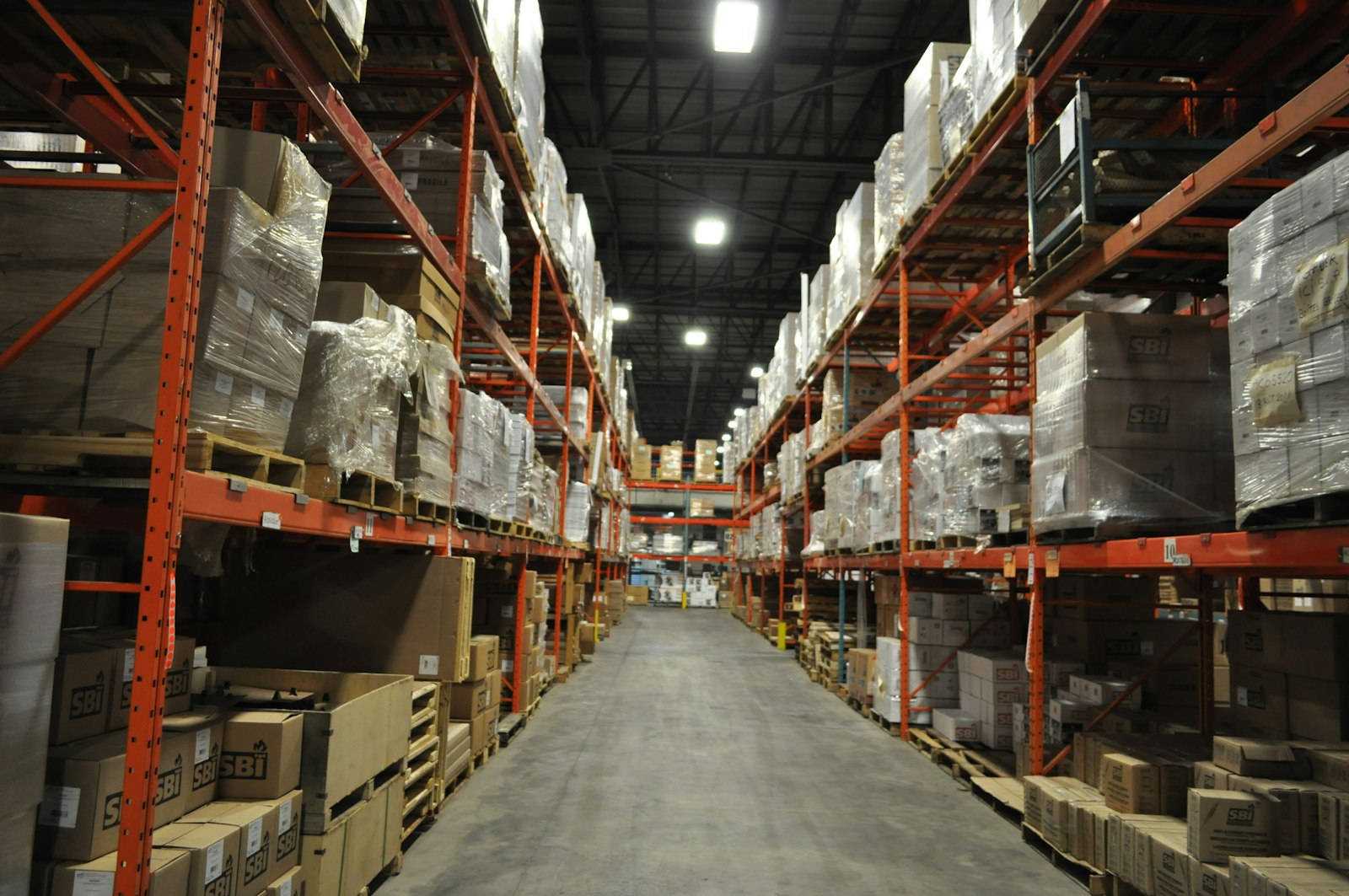
- Businesses can produce their own goods or import goods from other suppliers, then store them in warehouses and distribute them to stores in the chain. These stores will directly sell products to consumers and contribute revenue to businesses.
- Depending on capital sources and expansion plans, the chain store business model can be developed into many different markets. Each new store not only helps increase revenue but is also an opportunity for businesses to reach an additional group of potential customers.
3. Classify chain store business models
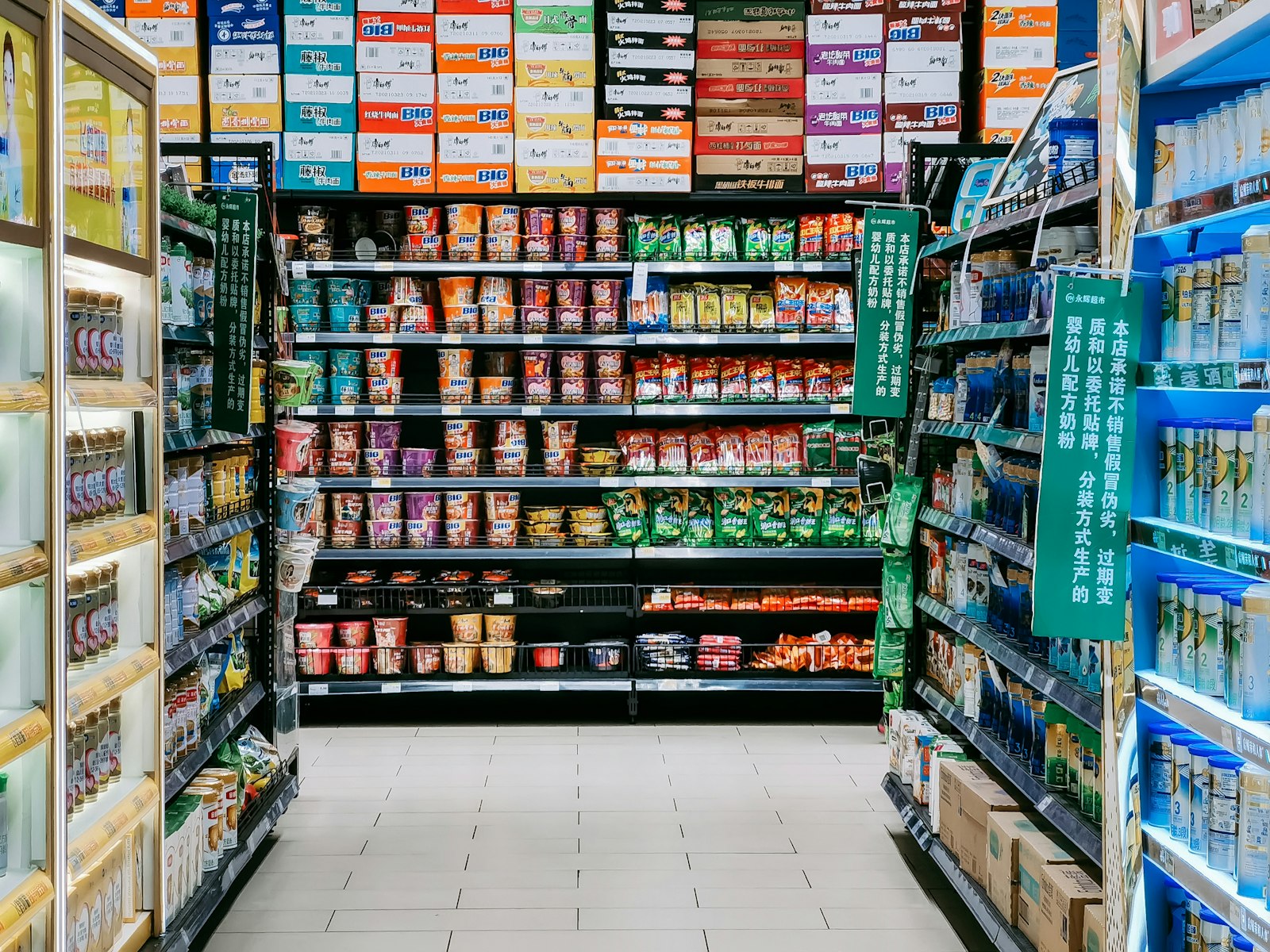
According to business products
- Merchandise retail chain: Stores in a chain mainly sell physical products such as clothing, electronics, food, etc.
- Service retail chains: Stores in a chain offer services instead of products, such as beauty, health care, repairs, etc.
According to the number of services provided
- Self-service retail chain stores: Stores in this chain require customers to select and pay for products themselves without assistance from employees.
- Limited-service retail chains: These chain stores offer some basic but incomplete services, such as customer support or delivery services.
- Full-service retail chains: Stores provide all product-related services, such as delivery, returns, consultation, warranty, etc.
According to the product line supplied
- Specialty chain stores: Focus on a specific product line, such as stores that sell shoes, electronics, books, etc.
- Convenience store chains: These stores provide essential and convenient products for customers, with compact shopping spaces and are often open 24/7.
- Department store chains: These stores offer a variety of products, from food and household items to clothing and cosmetics.
- Supermarket chain: Stores in this chain offer a large product range, mainly food and consumer goods.
- Chain of shopping centers: These are complexes of shops, services, amusement parks, restaurants... all located in a large space, to meet the shopping and entertainment needs of customers.
According to the method of business organization
- Regular chain: A store system that is completely owned and managed by a single business.
- Voluntary Chain: Independent retail businesses join together to expand scale and share profits.
- Franchising: A business sells its trademark rights and business formula to third parties, allowing them to open stores and do business under the business's brand name.
According to sales method
- Traditional chain stores: These stores apply direct sales methods, usually through physical stores, where customers come to buy products.
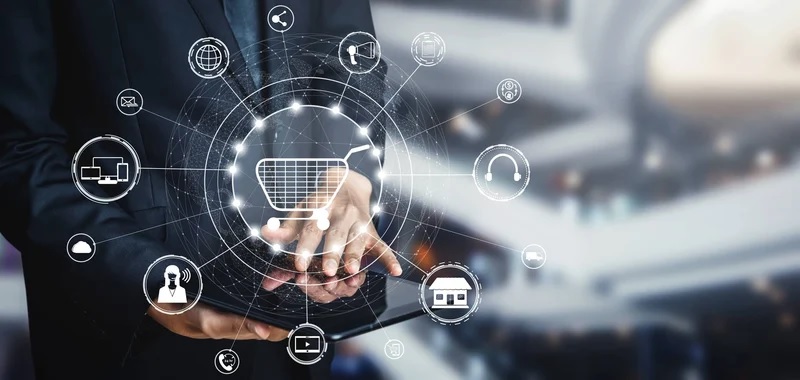
- Modern chain stores: These stores incorporate technology into the sales process, such as online shopping, electronic payment and other convenient services.
4. Advantages and disadvantages of the chain store business model
Every business model has its own strengths and weaknesses, and the chain store model is no exception. Before deciding to apply this model, businesses need to clearly understand the benefits and challenges it brings.
Advantage
- Competitive prices: With systematic organization and reasonable pricing strategies, products sold in chain stores are often more competitively priced than independent retail stores. This helps the store chain attract a large number of customers looking for better prices.
- Save advertising costs: Stores in the same chain can share advertising campaigns, thereby reducing marketing costs for each individual store. This not only saves money but also improves communication efficiency for the entire system.
- Ability to offset sales between stores: If one store does not achieve expected sales, other stores in the chain can assist to make up the shortfall. At the same time, rotating employees between stores helps ensure flexibility in human resource management.
- Effective management: With this model, stores operate directly with customers without intermediaries, thereby helping businesses better manage operational factors and bring high business efficiency.
- Ensuring stability: Each store in the chain can operate independently, so if one store encounters difficulties or has to close, the remaining stores can still continue to operate without being affected too much.
Disadvantages
- Limited products: Chain stores often focus on distributing pre-determined core products, which may cause stores to not provide product diversity to customers.
- Difficulty in management: Opening too many stores can cause major challenges in management. Without a scientific and effective management system, businesses can encounter serious financial problems.
- Lack of decision-making power for the store: Stores in the chain often do not have the right to decide on major issues but must follow instructions from the parent business, which can limit the ability to make flexible and quick decisions.
- Inventory goods cannot be changed in time: Due to the inability to quickly change the quality and features of products when there are large fluctuations in the market, goods in chain stores are at risk of "premature death" if not consumed promptly.
The chain store business model brings many benefits, but also has many challenges. Businesses need to carefully consider the advantages and disadvantages of this model to optimize business efficiency. If you are learning or developing a chain store model, please contact us for further advice on how to optimize your retail chain, helping to improve operational efficiency and increase revenue.
Related articles
What is Unified Commerce? Its role in retail store chains
Unified Commerce is a model that integrates all sales channels and business management into a single system.
Experience in choosing an effective retail management solution
Useful experience to help you choose the best solution for your business model.
What is IoT? IoT applications in smart retail
IoT is changing retail through applications such as automated inventory management, contactless payments, and personalized customer experiences.