
Enhance the experience when communicating with sports retail chains
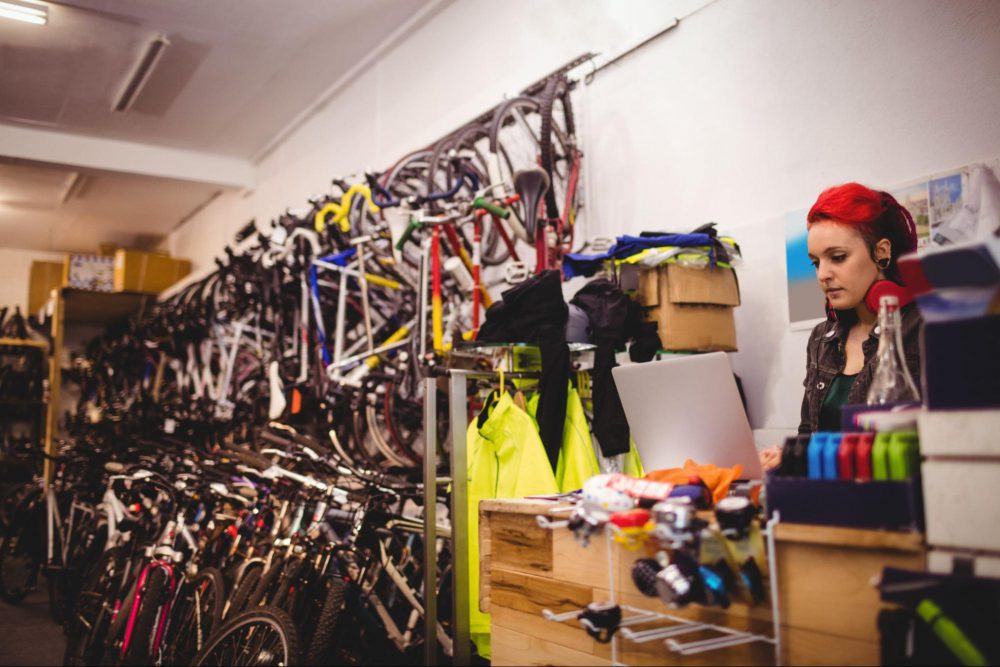
Using experiential marketing to promote the sports retail chain brings outstanding efficiency. LBC provides retail industry management software.
The retail industry is facing changes in consumer needs and shopping habits. The sporting goods industry is no exception, customers not only pay to buy regular physical products, they are willing to pay more to buy experiences. To stand firm in the market, sports retail chain communication in the future needs to aim at improving customer experience.
Check out the following article from LBC International to learn about experiential media trends in the sports retail industry.
Related articles:
- Build a successful retail store chain to welcome 2023
- Manage a sporting goods retail store effectively by understanding industry trends
- 10 types of retail experiences that help businesses retain customers
1. Trend of experiential communication for customers
Sportswear shopping needs and habits have changed, especially among young consumer groups. Now, buying online or at a physical store is no longer so important, customers just need to buy the product they need. In other words, retailers are reaching a generation of customers who love experiences and want to share experiences with the community.
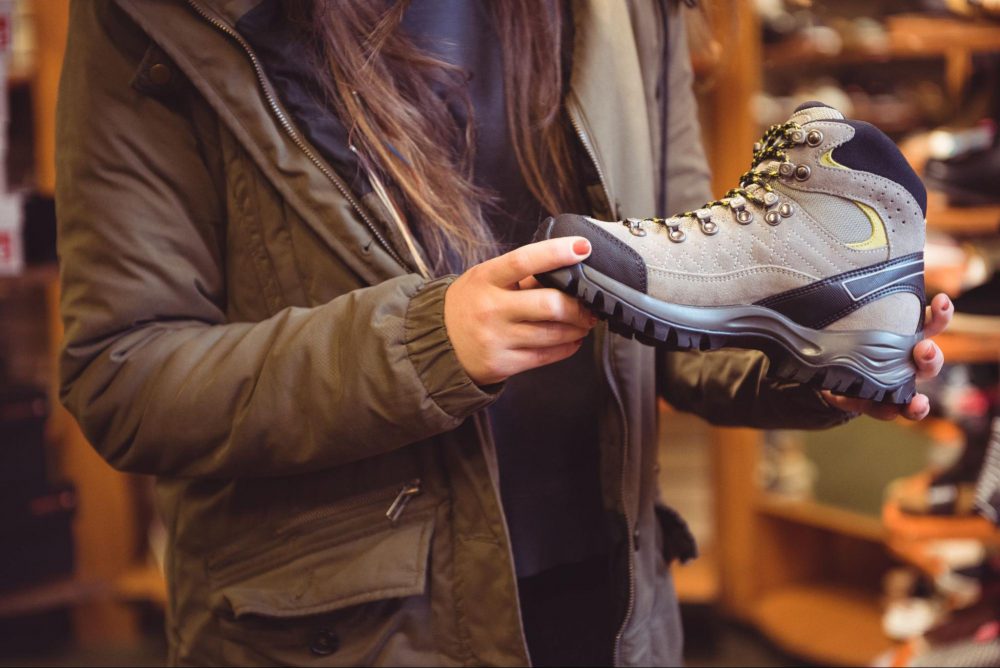
Faced with the above change, sports retail chain communication is forced to shift, consumers become communication subjects. A completely new concept was born, called "experiential marketing". In particular, all forms and marketing channels are only truly effective when retailers grasp customers' consumption motivations, meet and improve their experience needs.
Experiential communication focuses on building customer experience, encouraging customers to express opinions, comment and share. At the same time, retailers also want customers to participate in personalizing products to enhance personal emotions and purchasing experiences. To put it simply, experiential communication is a campaign that emphasizes personal interaction, putting customers in a proactive position.
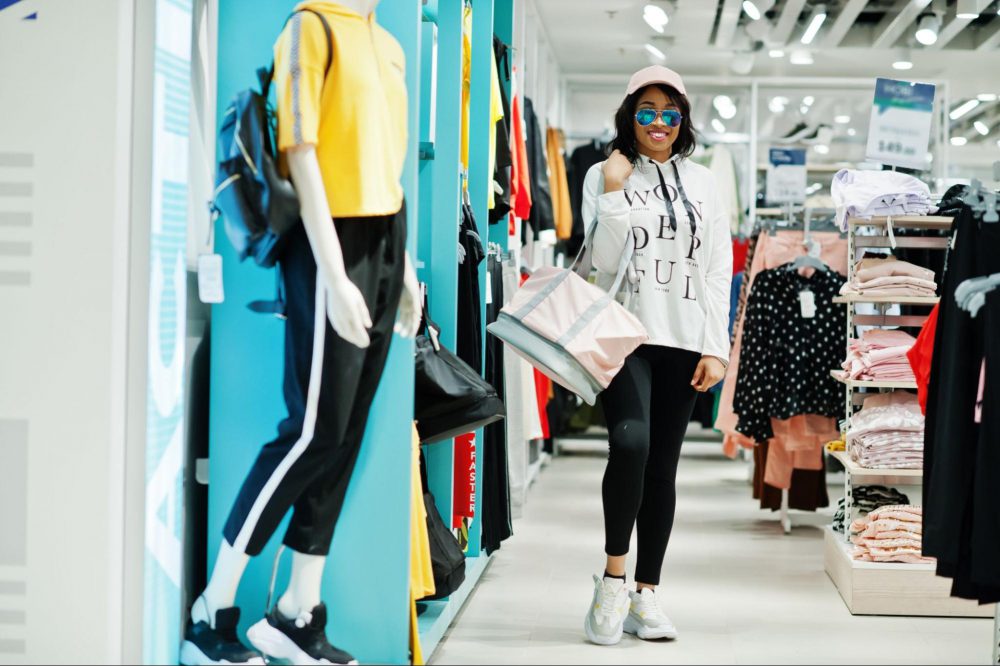
Sports product businesses need to create positive experiences so that customers remember the brand and motivate future purchases. Businesses can refer to 4 popular event forms to collect data and connect with customers below:
- Class
Retailers should organize small classes right in the store premises. Here, customers can experience product testing, receive instructions for use or related skills.

- Pop-up store
A pop-up store is a retail store model that is opened temporarily for a short period of time, selling products related to a special occasion. The biggest attraction of this type of store is the novelty of the products on sale. Today, pop-up stores also take full advantage of modern technology to collect information, analyze shopping behavior and personalize brand messages.
- Community events
Community events are one of the extremely effective forms of sports retail chain communication. Retailers can sponsor community sporting events, set up booths and let customers try out products. Through this way, the seller will reach a large number of potential customers.

- Chain of events
A series of experiential events held weekly and monthly will be an opportunity for brands to get closer to their customers. Businesses can invite speakers to come and talk about topics related to the industry they are doing business in or issues of public concern.
2. Analyze Nike's experiential communication strategy
Nike is the world's leading brand in the design, production and sales of footwear, clothing and sports accessories. Nike products are distributed at many sports retail stores and are popular in many countries. To achieve this success, the brand has deployed many creative marketing strategies.
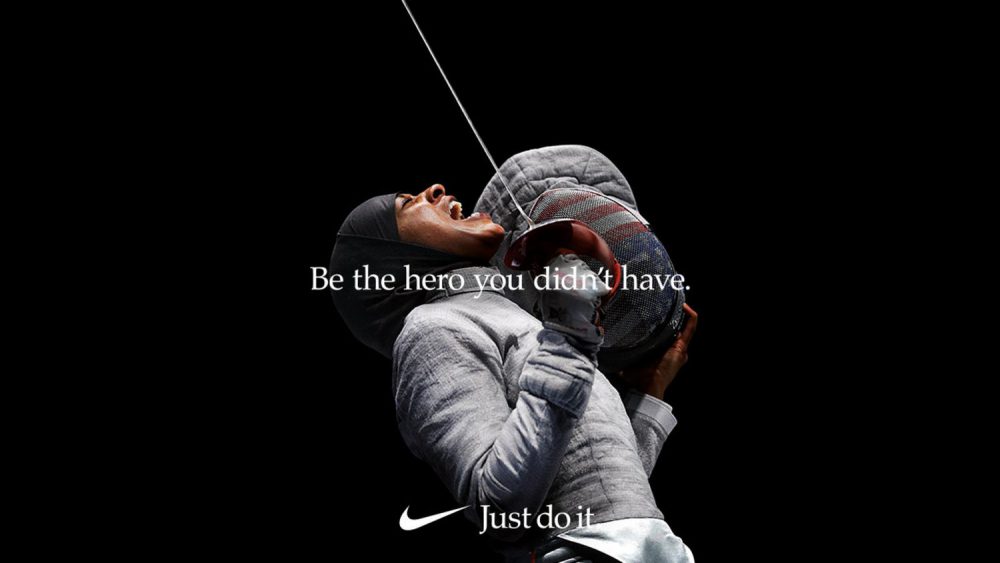
Specifically, Nike has fully implemented strategies on products, prices, distribution systems and mixed promotions. Among them, the most prominent is the emotional marketing strategy: using celebrity images, promoting on social networking platforms and inspirational advertising. Through emotional marketing, Nike has reached the right target customers, thereby convincing customers to make purchasing decisions.
Advertising is the part that Nike invests the most in. The company sponsors clubs and athletes to create widespread coverage. Nike's TVCs often focus on emotional factors, encouraging people to constantly try and overcome adversity to achieve success. The brand also collaborates with outstanding athletes in the sports they represent, such as LeBron James (basketball), Cristiano Ronaldo (soccer), Rafael Nadal (tennis)...
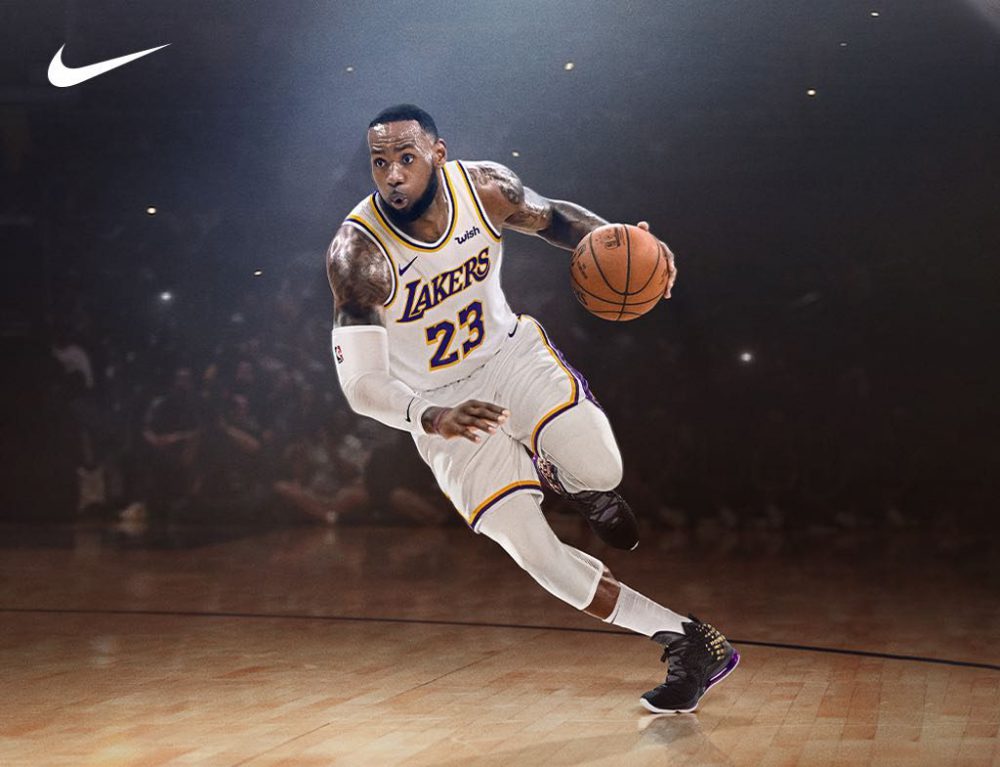
To increase the effectiveness of sports retail chain communications and advertising, Nike has gradually cut its budget for traditional advertising and tested its presence on social networks. To date, Nike is among the world's largest social enterprises, surpassing Google, Instagram and Pinterest. In addition, this sportswear brand also actively sponsors major sports tournaments to increase recognition.
3. Combine effective management with Retail Pro Prism from LBC International
Retail Pro Prism is a comprehensive management solution for the retail industry, suitable for many different scales and industries. LBC International's software is equipped with superior features, helping to manage a chain of sporting goods retail stores more easily and effectively.

With Retail Pro Prism, administrators can manage point of sale (POS), product categories, inventory, customer lists and employee performance on one platform. In particular, the software also supports retailers in building promotions and customer care through collected data.
Applying experiential marketing in sports retail chain communication is a strategy consistent with current trends. To gain a competitive advantage, businesses need to have a transformation plan now. Businesses that want to learn about retail industry management software can contact LBC International for advice and support.
Articles and images compiled by LBC International.
Related articles
What is Unified Commerce? Its role in retail store chains
Unified Commerce is a model that integrates all sales channels and business management into a single system.
Experience in choosing an effective retail management solution
Useful experience to help you choose the best solution for your business model.
What is IoT? IoT applications in smart retail
IoT is changing retail through applications such as automated inventory management, contactless payments, and personalized customer experiences.