Understanding digital transformation trends in retail
Applying digital technology to business operations improves efficiency, customer experience, and revenue performance.
Digital transformation is becoming an inevitable trend in the retail industry, helping businesses streamline processes, elevate the customer experience, and boost profitability. As technology advances, retailers are adopting digital solutions such as e-commerce, artificial intelligence (AI), Big Data, and the Internet of Things (IoT) to improve their operations.
1. What is digital transformation in retail?
Digital transformation in retail is the process of applying digital technology to business operations in order to improve operational efficiency, enhance the customer experience, and optimize revenue. This includes integrating e-commerce platforms, using Big Data to analyze shopping behavior, automating sales processes, adopting digital payment methods, and personalizing customer service.
2. Why does the retail industry need digital transformation?
Amid fierce competition and shifting consumer behavior, digital transformation is a matter of survival for the retail industry. Applying technology helps businesses optimize operations, elevate the customer experience, and leverage data for sustainable growth. So what are the challenges of digital transformation?
Changing consumer behavior
The explosion of the internet and digital technology has completely changed the way consumers search for and purchase products. Today, customers are no longer dependent on physical stores and increasingly shop online. They expect a fast, convenient shopping experience — placing orders straight from their mobile phones and having goods delivered to their door.
Fierce competition
The retail market is becoming increasingly competitive with the rise of strong rivals, especially e-commerce platforms such as Shopee, Lazada, Tiki, and Amazon. Businesses that fail to transform digitally in time risk falling behind and losing a large share of their customers. In addition, cross-border shopping is becoming more common, letting customers easily access products from many different countries.
Improving operational performance
Applying technology helps businesses cut down on manual steps, streamline operating processes, and manage inventory more effectively. For example, automated inventory management systems can forecast demand, helping businesses avoid stock shortages or surpluses and thereby optimize warehousing costs.
3. Digital transformation trends in the retail industry
As consumer shopping behavior keeps changing, retailers are compelled to adopt technology to optimize the customer experience, improve operational efficiency, and strengthen their competitive edge. In this article, we explore the key digital transformation trends shaping the retail industry:
E-commerce and omnichannel selling

The Omnichannel trend helps businesses connect their online and offline sales channels, delivering a seamless experience for customers. This includes integrating websites, mobile apps, social media, and traditional stores. Customers can shop effortlessly across multiple platforms without interruption, helping businesses optimize revenue and retain loyal customers. Today, many major brands apply this model — Shopee, Lazada, and Tiki, for example, combine selling on their own websites with Facebook and TikTok Shop to reach more customers.
Artificial intelligence (AI) and data analytics
AI is changing the way the retail industry operates, from personalizing the customer experience and managing supply chains to optimizing pricing. AI algorithms can analyze customer behavior data, generate relevant product recommendations, improve marketing strategy, and raise conversion rates.
Cashless payments and e-wallets
Cashless payment is booming alongside the growth of QR codes, e-wallets (MoMo, ZaloPay, VNPay), and NFC technology (Apple Pay, Samsung Pay). This not only lets customers pay quickly but also helps businesses manage cash flow effectively and reduce the risk of cash losses.
Blockchain applications in retail
Blockchain improves transparency across the supply chain, verifies product origin, combats counterfeiting, and builds customer trust. This technology records the entire production, shipping, and distribution process, ensuring the authenticity of goods.
Chatbots and automated customer service
AI chatbots automate customer care, reduce the workload on staff, and improve the user experience. Chatbots can advise on products, support orders, and handle complaints around the clock, helping businesses save on personnel costs.
Online shopping combined with AR/VR experiences
Virtual reality (VR) and augmented reality (AR) let customers experience products online more realistically before making a purchase decision. Fashion brands such as Gucci and Nike have applied AR so customers can virtually try on shoes and clothing.
4. Benefits of digital transformation in retail
Digital transformation is becoming a core element of the retail industry, helping businesses not only streamline their operations but also enhance the customer experience, strengthen competitiveness, and expand into new markets. Adopting digital technology is no longer just a trend — it is an essential solution for sustainable growth in the digital age.
Enhancing the customer experience
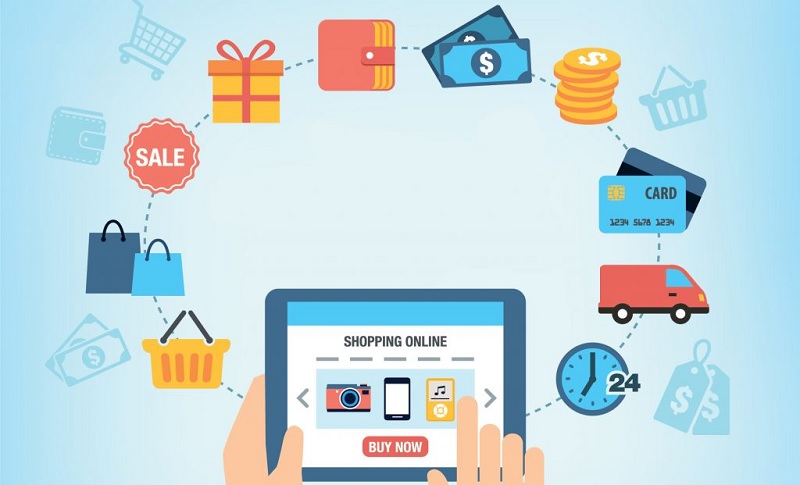
Digital transformation lets businesses personalize customer service by analyzing behavior, preferences, and individual needs. As a result, businesses can recommend the right products, streamline customer care, and craft compelling promotional campaigns.
Increasing management and operational efficiency
Digital technology helps businesses optimize management processes — from inventory control and shipping to payments and customer care. ERP (Enterprise Resource Planning) systems integrate data across multiple departments, making it easier for managers to monitor and adjust business operations.
For example, large retail chains such as VinMart and Big C use sales management software to monitor inventory in real time, minimizing shortages or surpluses.
Optimizing costs and increasing profit
Thanks to automating many processes, businesses can cut operating costs, reduce unnecessary staffing, and optimize their marketing strategy. Digital advertising platforms like Google Ads and Facebook Ads allow precise targeting of the right customers, lowering ad spend while still achieving strong results.
Expanding into new markets and increasing competitiveness
Digital transformation lets businesses easily reach global markets without being limited by geography. A small business can sell on e-commerce marketplaces or through social media, reaching millions of customers without ever opening a physical store.
For example, many Vietnamese fashion brands have successfully expanded into international markets through e-commerce platforms, exporting products to the US and Europe without heavy investment in infrastructure.
Increasing transparency and building trust
Applying blockchain technology helps trace product origin and ensure transparency across the supply chain. Customers can scan a QR code to see where a product comes from and how it was manufactured and shipped, which strengthens trust in the brand.
5. Comprehensive digital transformation in retail with RETAIL PRO PRISM
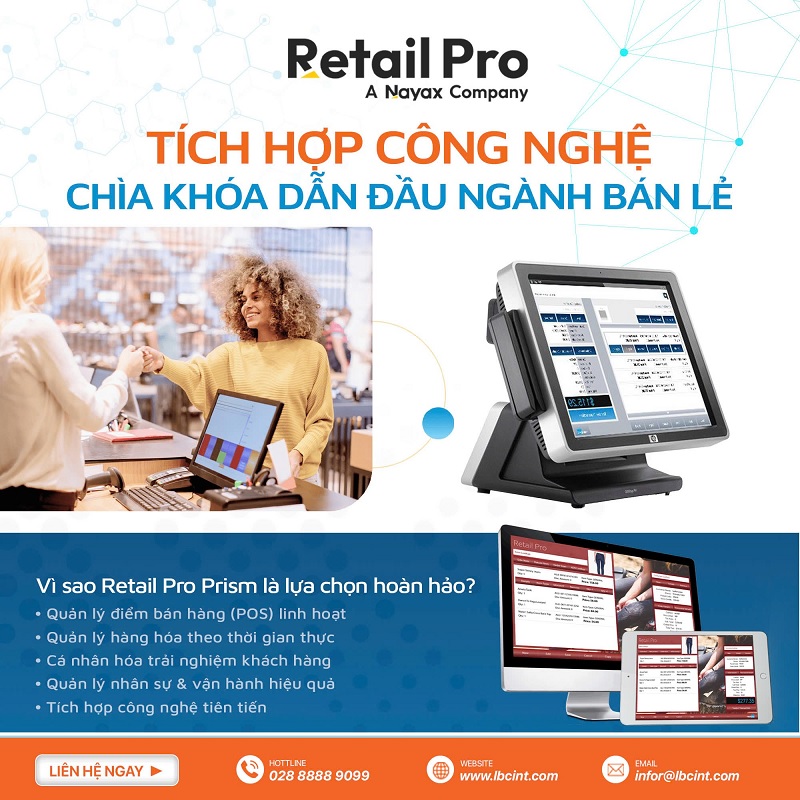
As the retail industry grows more competitive and changes ever faster, businesses need a powerful solution to optimize operations, enhance the customer experience, and strengthen their competitive edge. Retail Pro Prism, developed by LBC International, is the answer — an advanced retail management system offering a centralized, flexible, and highly scalable management platform. With multi-platform integration, Retail Pro Prism helps businesses control the entire sales process, manage inventory accurately, and optimize operational performance.
Elevating sales management with Retail Pro Prism
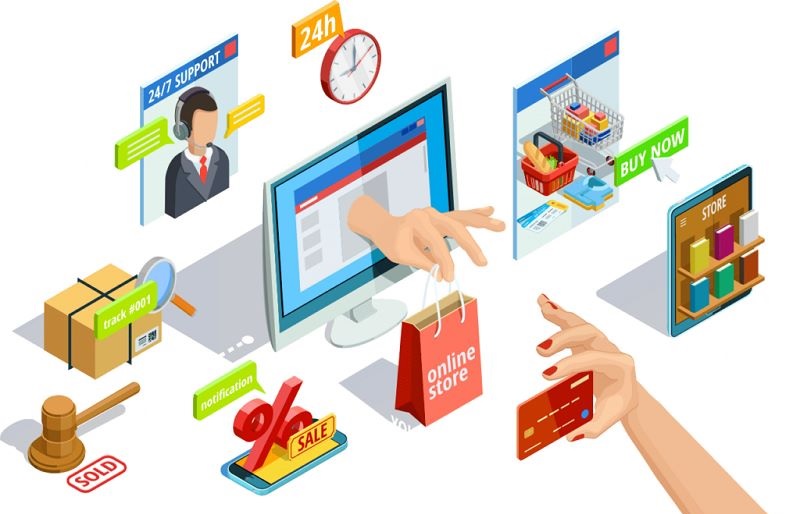
Retail Pro Prism not only lets businesses track transactions in real time but also provides detailed reports, giving store owners a full picture of business performance. As a result, businesses can quickly make strategic decisions based on accurate data, improving operational efficiency and optimizing profit.
Connecting every sales channel with omnichannel
In the digital age, connecting online and offline sales plays a key role in enhancing the shopping experience. Retail Pro Prism supports omnichannel integration, synchronizing data from traditional stores to e-commerce platforms. This helps businesses create a seamless shopping journey that meets customer needs whether they shop in-store or on a digital platform.
Personalizing the customer experience through data
Beyond operational management, Retail Pro Prism is a powerful tool for building an effective customer care strategy. The system collects and analyzes consumer data to recommend promotions and offers suited to each customer segment. As a result, businesses not only increase customer retention but also drive sustainable revenue growth.
Retail Pro Prism, developed by LBC International, marks an important step forward in the retail industry's digital transformation journey. With its ability to optimize management, boost operational performance, and improve the customer experience, this solution helps retailers not only keep pace with technology trends but also build a lasting competitive advantage. Retail Pro Prism is the top choice for businesses that want to lead in today's fast-changing market.
With LBC International, building customer loyalty has never been easier. Join us on the journey to conquer the retail market and grow sustainably!
- Address: 2nd Floor, 145 Nguyen Co Thach, District 2, HCMC.
- Hotline: 028 8888 9099.
- Email: infor@lbcint.com