
5 basic theories about Digital Merchandising help increase year-end revenue

The general trend of the current retail industry is to promote multi-channel sales, closely coordinating online and direct sales. With the amount […]
The general trend of the current retail industry is to promote multi-channel sales, closely coordinating online and direct sales. With a large number of orders during the year-end shopping season, retailers need the support of professional tools.
Applying retail management software to the online sales system brings great benefits to both sellers and buyers, both improving customer experience and helping businesses grow revenue and profits.
Join LBC International to learn about Digital Merchandising and how it impacts year-end retail sales.
Related articles:
- The management industry is getting ready for the exciting year-end season
- Trends in technology application in the retail industry in the new year
- Top 4 transformation trends to manage and stimulate purchasing behavior for the retail industry
1. 05 basic theories about Digital Merchandising
Digital Merchandising – online marketing or e-commerce, including activities related to marketing goods online. In terms of goals, online marketing is similar to traditional marketing, both aimed at customer experience and revenue. Regarding the difference, all strategies and implementation methods of Digital Merchandising take place in the online environment.
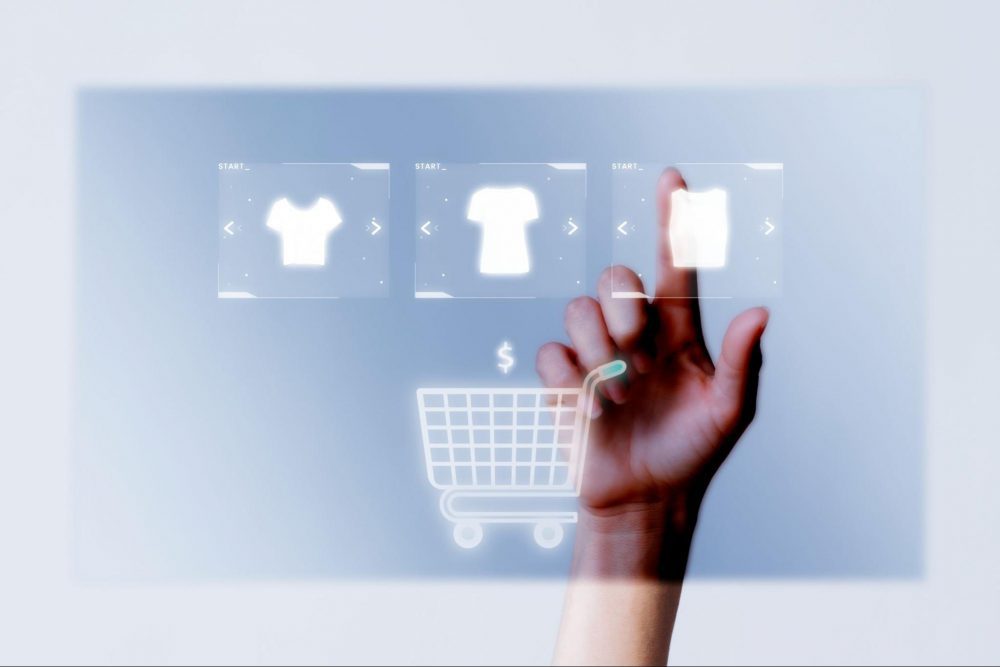
Today, businesses apply retail management software to optimize online marketing. Because when making good use of Digital Merchandising, retailers can influence consumers' shopping habits. There are 5 basic theories related to Digital Merchandising:
Personalize your approach
Personalization is the use of data and information that businesses have collected to evaluate and analyze customers. Through personalization, businesses can interact with customers as a separate individual, with the same message, but each individual will have their own content and image.
Personalization brings benefits to both businesses and customers. Not only does it increase customer experience and loyalty, personalized marketing strategies also help businesses increase revenue and profits.
According to statistics, more than 30% of customers want their shopping experience to be personalized. More than 96% of marketers see customer relationships significantly improve with personalization. In other words, personalization helps administrators manage stores more effectively.
Upgrade data and information to better serve customers
To optimize sales strategies and increase conversion rates, businesses must manage the amount of information and input data well. Through social media, retailers can find out what customers are interested in. Thanks to interactions on online platforms, businesses will have a list of outstanding products.
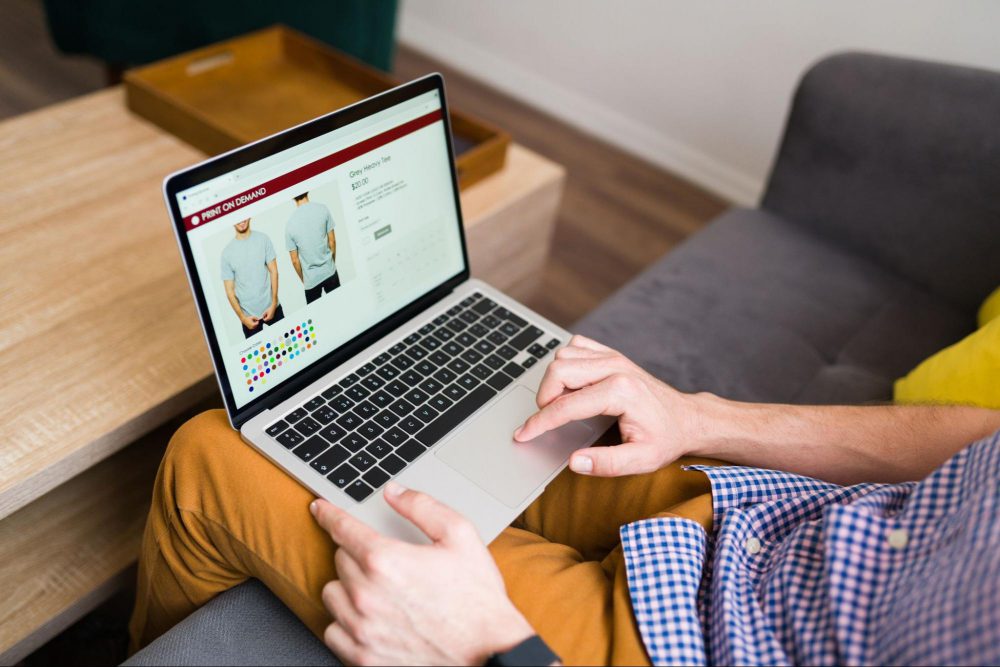
These are important data that help businesses build online marketing plans. Customers always see products that suit their needs, thereby making purchasing decisions. In addition to recommending products according to search trends, businesses must also predict products that are likely to be popular in the future.
Offer additional value beyond your product
Retail management software application helps optimize online sales. However, that is not enough, especially in the current context of fierce competition. The number of customers from online channels is increasing, requiring businesses to invest and take care of their sales pages.

Besides information related to product characteristics and uses, retailers should add useful content for users. In addition to regular written and image content, businesses can use new formats such as videos, infographics...
Streamline product search and filter steps
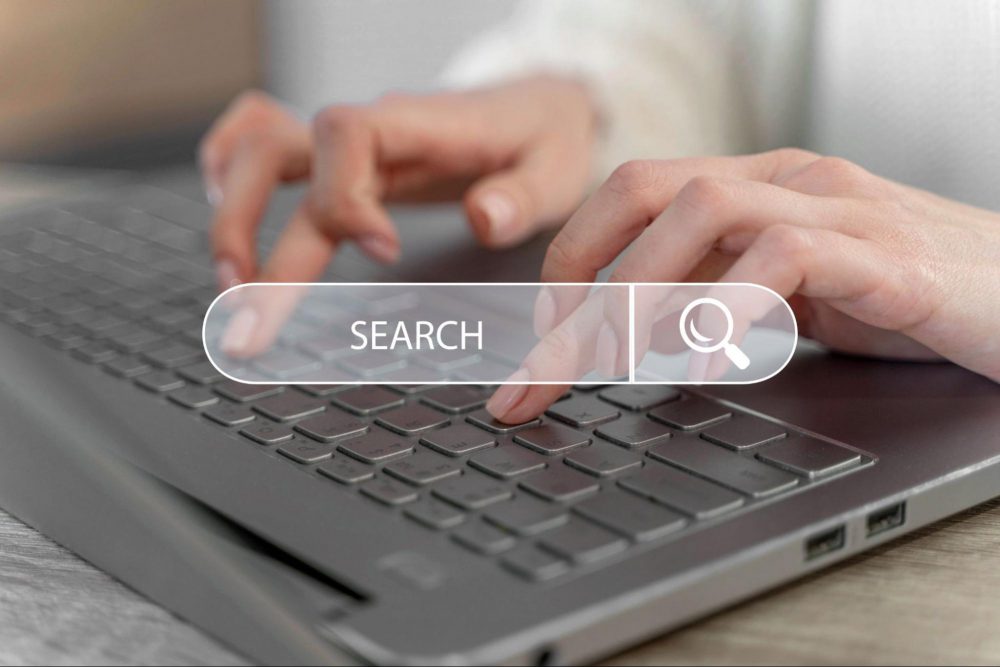
Search engines are "shortcuts" that bring customers to the products they are looking for. Meanwhile, filters help customers narrow down the number of suggestions given by search engines, thereby finding the most suitable product. When shopping online, buyers need the support of these tools to access the products they want to buy. The more streamlined the product search and filtering steps are, the more enhanced the shopping experience will be.
Lead consumers with clear CTAs
Business management and retail management software are both useful for online business. However, for these tools to be maximally effective, administrators still need CTAs strategies.

CTAs have an important role in Digital Merchandising, they have the ability to urge potential customers to make a purchase. CTAs need to be attractive and express the message directly and concisely. CTAs should be placed in eye-catching locations, usually right on the first page.
2. Some quick solutions to improve Digital Merchandising
Online sales and multi-channel sales are trends in the current retail industry. To improve Digital Merchandising and optimize online sales channels, businesses need support tools. Thanks to specialized retail management software, administrators will have a more general view of the sales process, human resource management, customer care...
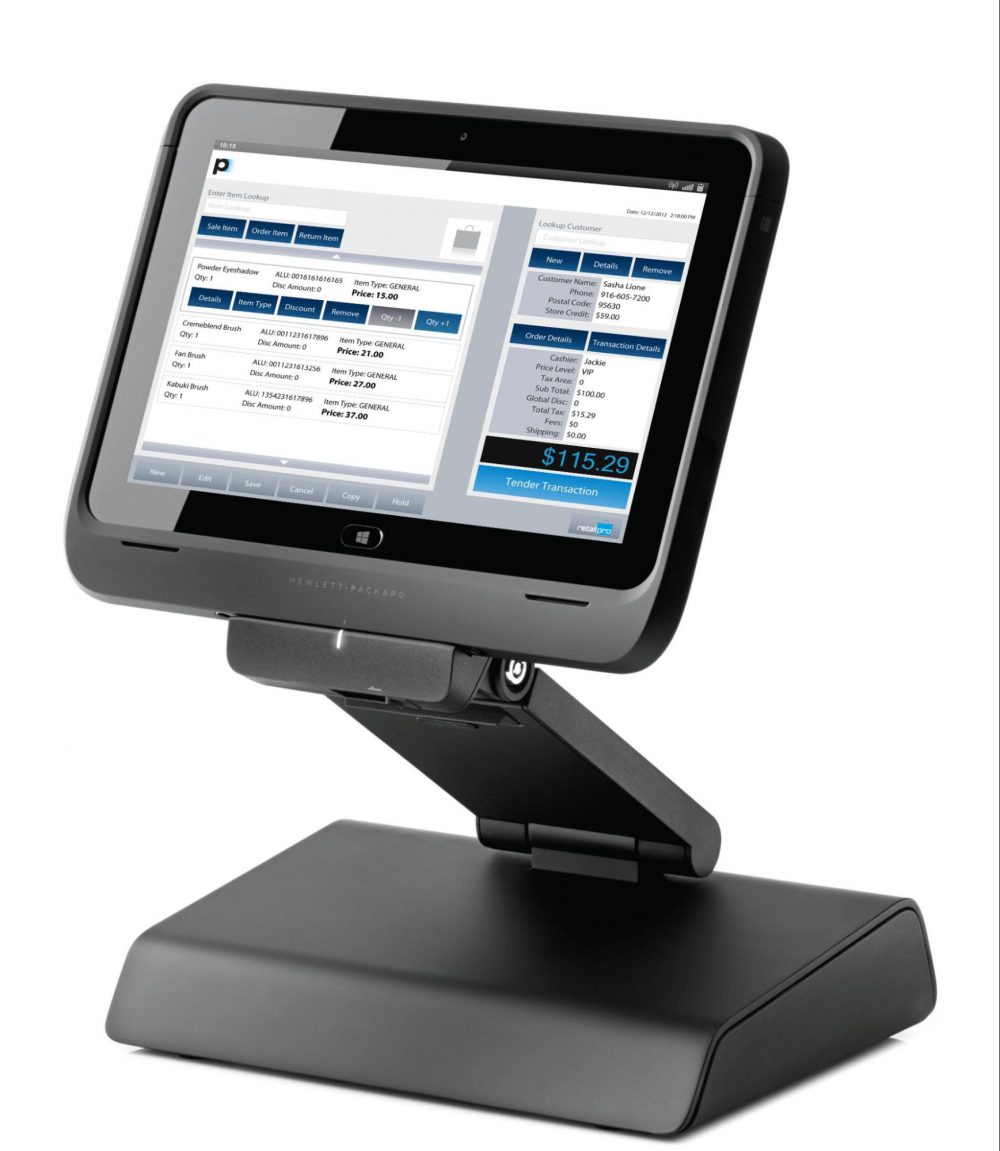
Retail Pro Prism is the first name that businesses should consider when wanting to apply retail management software to their sales system. This is considered a comprehensive solution for the retail industry with superior features in: point of sale (POS), management - control of goods, management of the purchasing - transportation process, management of employee performance, management and retention of loyal customers... When implemented in practice, Retail Pro Prism has been highly appreciated by businesses and multinational corporations with many years of experience in the industry.
Improving Digital Merchandising and applying retail management software to the sales system are effective ways to increase year-end revenue. To gain an advantage over competitors, retailers need to prepare now.
Businesses that want to learn about retail industry software can contact LBC International for advice and support.
Articles and images compiled by LBC International.
Related articles
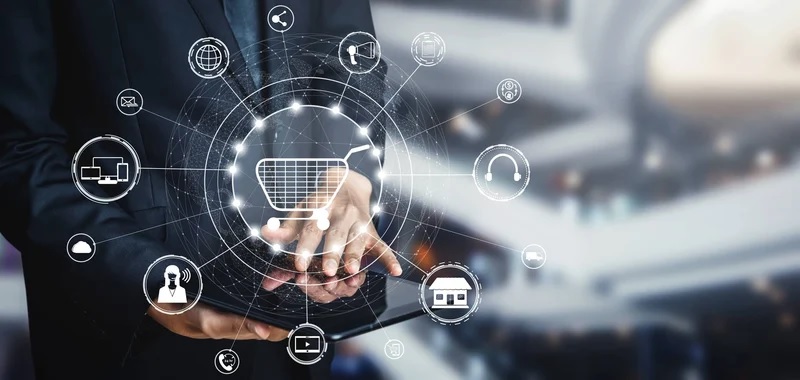
What is Unified Commerce? Its role in retail store chains
Unified Commerce is a model that integrates all sales channels and business management into a single system.
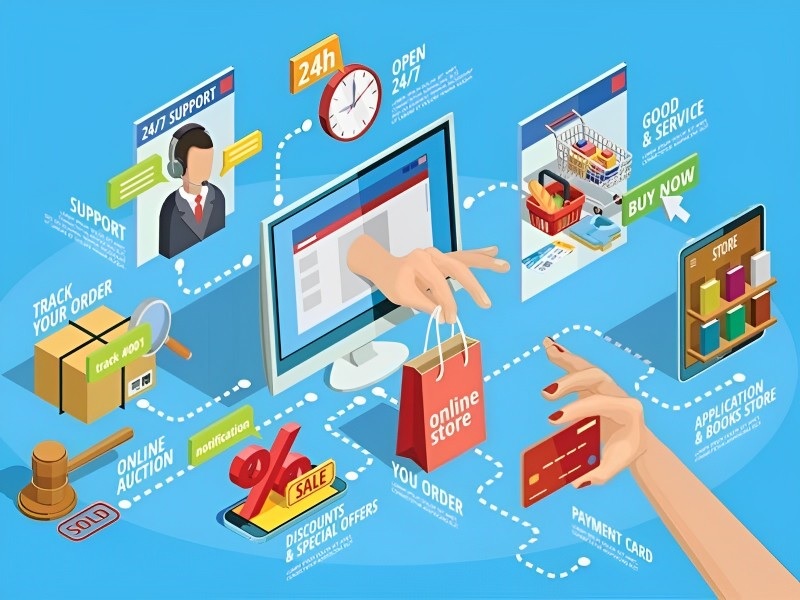
Experience in choosing an effective retail management solution
Useful experience to help you choose the best solution for your business model.
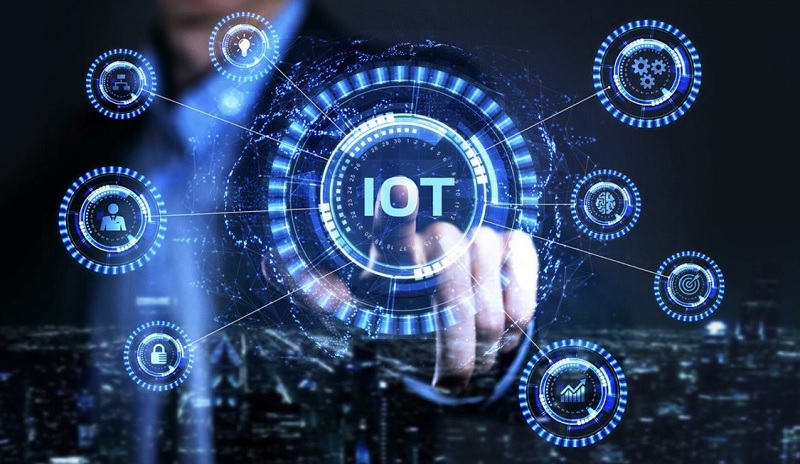
What is IoT? IoT applications in smart retail
IoT is changing retail through applications such as automated inventory management, contactless payments, and personalized customer experiences.