
8 factors that determine the success of sports retail chains in the future
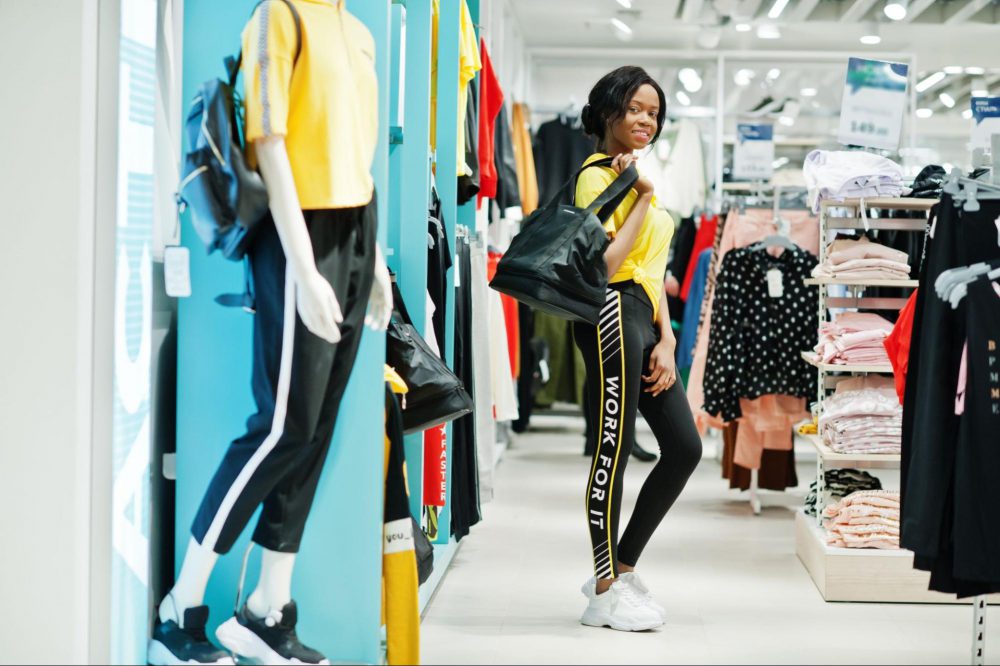
A successful sporting goods retail chain depends on many factors, retailers must always grasp the market. LBC provides retail industry management software.
Sportswear is an industry with outstanding growth in recent times, a potential "land" for retail units to exploit. However, building a successful sports retail chain depends on many factors, including both subjective and objective factors.
The following article by LBC International reviews 8 factors that determine the success of a sports goods business system chain and solutions to help increase management efficiency.
Related articles:
- Manage a sporting goods retail store effectively by understanding industry trends
- Does your business know how to connect and communicate with customers better?
- Reshaping the retail industry: From “retail” to “customer commerce
1. Sportiness in the product
Rising health awareness and fitness trends have fueled rapid growth in the sportswear market. With huge potential, many garment businesses have begun to shift production direction, and the "big guys" in the industry are also considering self-distributing products without going through retailers. This means that sports goods manufacturers and retail chains have more and more direct competitors.

To stand firm in the market and create a competitive advantage, businesses need to focus on the core value of the product - "sportiness". "Sportiness" in products is expressed through factors such as materials, design, applicability... To satisfy customers, businesses must always update and innovate.
2. Ability to coordinate and connect
Compared to previous times, physical activity patterns have changed significantly. The gap between potential customer groups is also widening, some people are less physically active after the pandemic, others are the opposite.

Therefore, the most important goal of business units in the sporting goods industry is to reduce physical inactivity, especially among low-income customers, as well as ensure future sales.
3. Increase sustainability for products and brands
The sports retail industry is increasingly focusing on sustainability, which comes from consumer preferences. A recent statistic shows that the proportion of sustainable products in the sports industry increases by about 64% every year. Environmentally friendly and recyclable materials are also prioritized by manufacturers.

4. Expand guidance and training models
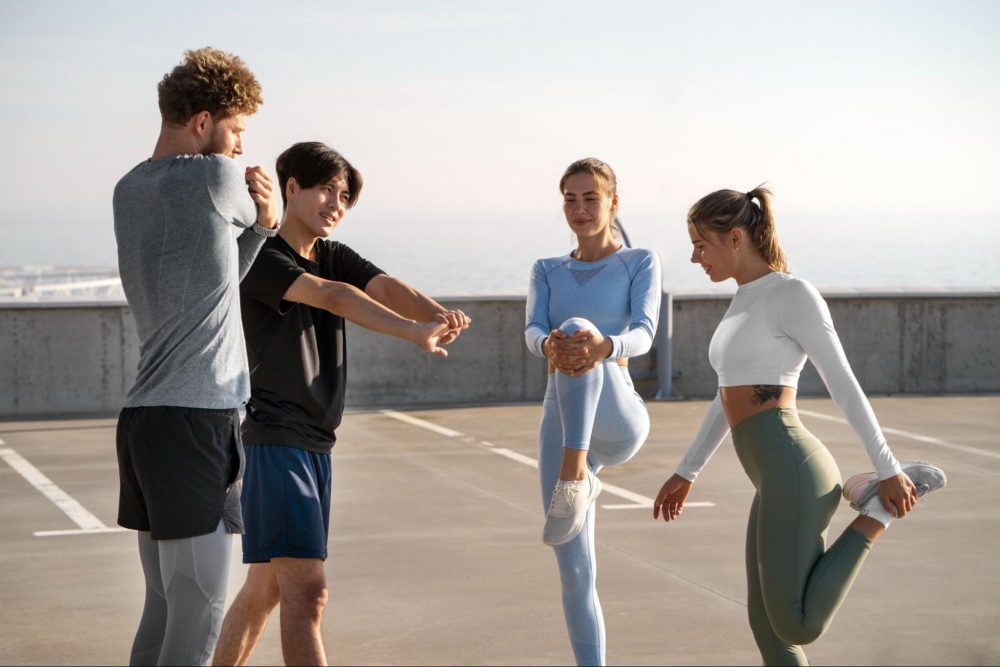
Besides sports products, consumers are also interested in exercise guidance programs. In fact, many retailers' sales have grown significantly as a result of developing coaching and training models. Most customers prefer a model that combines online and in-person training, businesses can consider this form.
5. Strengthen online sales channels
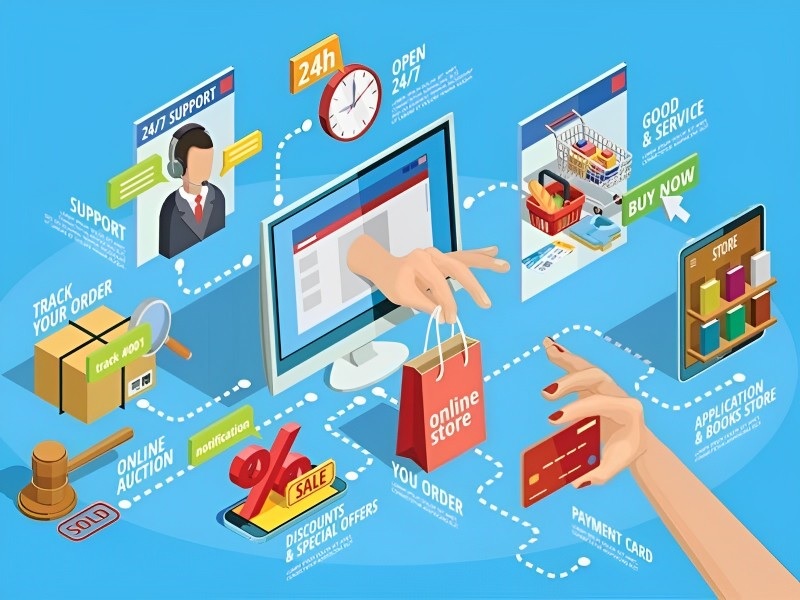
Online sales have brought sports retail chains much higher revenue than just selling in stores. Not only does it help businesses expand their potential customer base, selling online is also a way to bring brands closer to consumers. To optimize sales, retailers should take advantage of online retail platforms such as websites, social networks or e-commerce.

6. Focus on developing communication using KOL
KOL Marketing is the use of KOLs - influential people, to market products or services. Marketing through KOLs can increase customer trust in the product, thereby increasing the likelihood of conversion. With its effectiveness, KOL communication is very popular in the retail industry and the sporting goods industry is no exception.

7. Continue to invest in retail stores
The explosion of online shopping has caused many retailers to focus on developing online sales channels and ignore traditional sports retail chains. However, this is considered a quite wrong strategy, especially in the current trend of multi-channel retail development.
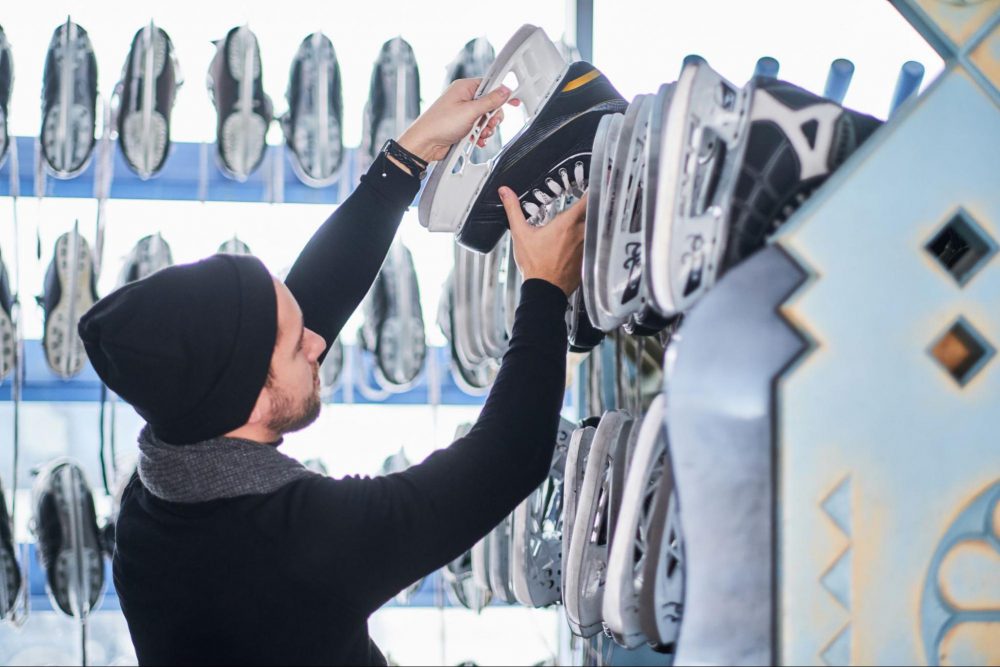
Traditional retail possesses advantages that online retail does not have, specifically in terms of product experience. Therefore, in addition to online sales channels, retailers should still invest in physical stores.
8. Diversify the supply chain
Previously, retail stores often had very short supply chains, sellers had to predict the number of products sold before placing orders from suppliers. This causes many problems, pushing the seller into a passive position. To have a stable supply, retailers need to diversify their supply chains, become part of them or establish their own supply chains.
Retail Pro Prism is a comprehensive solution for sports retail chain management, provided by LBC International. The software is integrated with superior features, allowing administrators to manage product categories, inventory, transaction history, customer lists and employee performance.
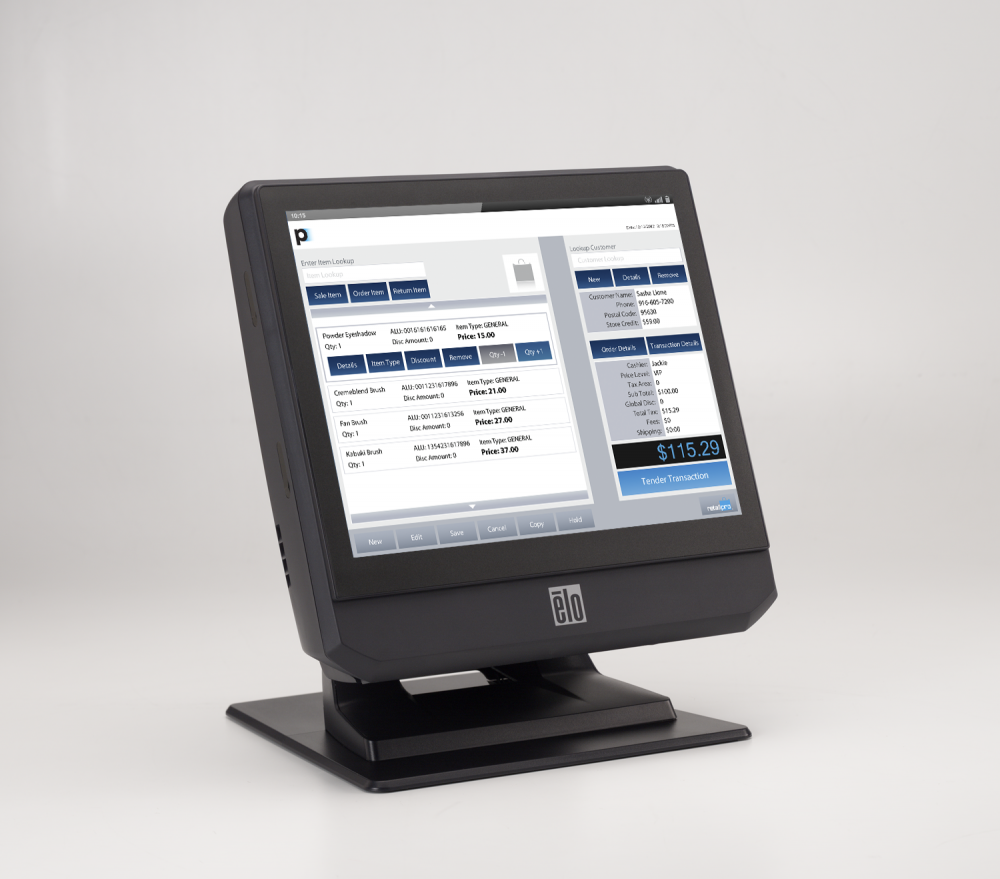
Retail Pro Prism is trusted by reputable businesses and retail groups in the world, suitable for many different system sizes and industries. With outstanding advantages, this is a product that businesses cannot ignore when wanting to build a synchronous and professional retail system.
To be successful when running a sports retail chain, managers must always grasp and update market trends. Businesses that want to learn about retail management software can contact LBC International for advice and support.
Articles and images compiled by LBC International.
Related articles

What is Unified Commerce? Its role in retail store chains
Unified Commerce is a model that integrates all sales channels and business management into a single system.
Experience in choosing an effective retail management solution
Useful experience to help you choose the best solution for your business model.

What is IoT? IoT applications in smart retail
IoT is changing retail through applications such as automated inventory management, contactless payments, and personalized customer experiences.