
Do you know how to optimally manage multi-channel furniture retail?

The change in consumer shopping habits has turned omnichannel retail into a trend. Furniture retail is one of the [...]
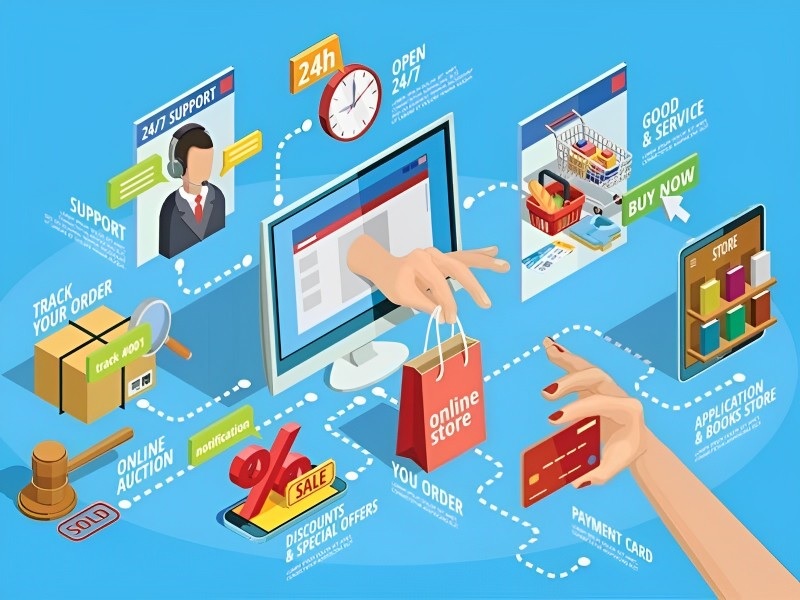
The change in consumer shopping habits has turned omnichannel retail into a trend. Furniture retail is one of the industries directly affected by this trend. Enterprises in the industry have been shifting their business to increase sales and create competitive advantages. For businesses that do not have much experience, difficulties are inevitable.
Join LBC International to learn about the pros and cons of multi-channel sales and how to optimally manage the retail system after conversion.
Related articles:
- Top 4 transformation trends to manage and stimulate purchasing behavior for the retail industry
- Does your business know how to connect and communicate with customers better?
- Integrating technology into retail: what issues do businesses need to improve?
1. Advantages and disadvantages of multi-channel furniture retail business
According to estimates, GDP in 2022 will increase by 8.02% compared to 2021. The retail industry will grow strongly, significantly contributing to the growth rate of the total value of the entire economy. The furniture retail market also witnessed a remarkable increase due to the increasing need to decorate and beautify living spaces of consumers.
Besides methods of stimulating purchasing power and boosting inventory, retailers tend to expand sales channels to maximize business advantages. In fact, multi-channel sellers have much higher revenue than units that only sell directly in stores or online.

In 2023, furniture retailers will continue to promote multi-channel sales, bringing products to many business platforms and taking advantage of the power of online retail channels. Combining multiple sales channels when doing furniture retail business will bring the following advantages and disadvantages:
Advantage
- Increase reach and potential customers.
- Expand touch points with customers.
- Optimize marketing and communication channels, increase brand coverage, and bring products closer to consumers.
- Show many aspects of the product, motivating customers to make purchasing decisions.
- Measure business performance easily, helping administrators build appropriate strategies in the future.
- Optimizing investment budget, retailers can expand business scale without having to open many new stores.

Disadvantages
- The level of competition is higher than just operating one business model.
- Costs increase due to investment in communications, marketing, application of retail technology and sales channel testing.
- "Mixed gold and brass", potential financial and human resource risks if operations on sales channels cannot be guaranteed.
- Difficult to control and manage synchronously, risk of reducing sales performance if the operating model is not appropriate.
2. Optimal management when deciding to develop multi-channel furniture retail
When deciding to shift from traditional retail to multi-channel sales, sellers face many challenges. To optimize the management system, retailers need to pay attention to the following issues:
Understand clearly the problem and goals of the business
The goal that furniture retail businesses aim for when choosing multi-channel sales is to expand the retail system, increase the number of customers, revenue and competitiveness. Administrators must be the ones who best understand the goals of their business, thereby building a development strategy and choosing appropriate sales channels. At the same time, available resources (finance, human resources...) also affect the plan to diversify sales channels.

There is synchronization and methodical communication
Communications and marketing play an important role in developing the multi-channel sales model. To achieve the desired marketing effectiveness, sellers must invest in customer research, find potential sales channels and have a systematic marketing plan. In addition, the communication campaign also needs to be synchronized between sales channels to optimize effectiveness.
Focus on real value
Whether selling directly, online or multi-channel, furniture retail businesses need to pay attention to real values. Products marketed to customers must ensure quality, warranty and after-sales policies.

In addition, when building a sales channel, sellers should set clear goals, to sell, attract interaction, promote the brand or update news... Multi-channel sales are only truly successful when the retailer achieves the initially set goals.
Take advantage of management tools for the entire system
To operate multiple sales channels at the same time, retailers need specialized management tools. Applying technology to the sales system makes business more efficient and easier, reducing the workload for administrators.
3. Solution from LBC International
Retail Pro Prism is the solution that LBC International brings to furniture retailers. The software is integrated with specialized features for the retail industry, and can be applied to many different system scales and industries. LBC's products have been trusted by many businesses and retail groups around the world, including businesses in the furniture industry.

The biggest advantage of Retail Pro Prism is the ability to manage a large number of furniture product categories, something that is difficult to do with manual management. The software also supports administrators in controlling inventory, orders, transaction history and employee performance. In particular, Retail Pro Prism is also equipped with features to manage and retain loyal customers, suggest promotions, and customer care on special occasions.
Omnichannel sales are predicted to be the future of the furniture retail industry. To keep up with market trends, retailers need to have a change plan now. Businesses that want to learn about retail management software can contact LBC International for advice and support.
Articles and images compiled by LBC International.
Related articles

What is Unified Commerce? Its role in retail store chains
Unified Commerce is a model that integrates all sales channels and business management into a single system.
Experience in choosing an effective retail management solution
Useful experience to help you choose the best solution for your business model.

What is IoT? IoT applications in smart retail
IoT is changing retail through applications such as automated inventory management, contactless payments, and personalized customer experiences.