
Improving management capabilities helps increase competitiveness in furniture retail

Always aiming for a convenient and comfortable lifestyle, consumers are spending more and more on interior products. The market sells [...]
Always aiming for a convenient and comfortable lifestyle, consumers are spending more and more on interior products. The furniture retail market has therefore become more vibrant than ever, an opportunity but also a challenge for businesses in the industry. To create competitive advantage, businesses need to improve management capabilities now.
Join LBC International to learn about the market and how to effectively manage a furniture retail store through the following article.
Related articles:
- Forecasting retail industry growth after Tet Quy Mao
- Top 4 transformation trends to manage and stimulate purchasing behavior for the retail industry
- Trends in technology application in the retail industry in the new year
1. Some data evidence on furniture sales - Attraction and competition of the furniture retail market
In recent years, the global furniture market has been making great strides. Rising income is one of the reasons why the demand for furniture has increased sharply. In particular, living room furniture is the largest segment in the furniture retail market with revenue of up to 233 billion USD worldwide.

Looking back at the Vietnamese retail market, traditional channels are still the main sales channel, accounting for more than 80% of the market share in revenue, this number is much higher than other countries in the region. However, contrary to the general growth trend, the revenue value from traditional Vietnamese channels decreased sharply.
Vietnam's retail industry in 2023 stands out with three main trends: online sales, personalization of experiences and multi-channel sales. According to predictions, online retail channels on social media platforms (social commerce) will continue to explode, businesses will make the most of marketing through KOLs and Influencers.
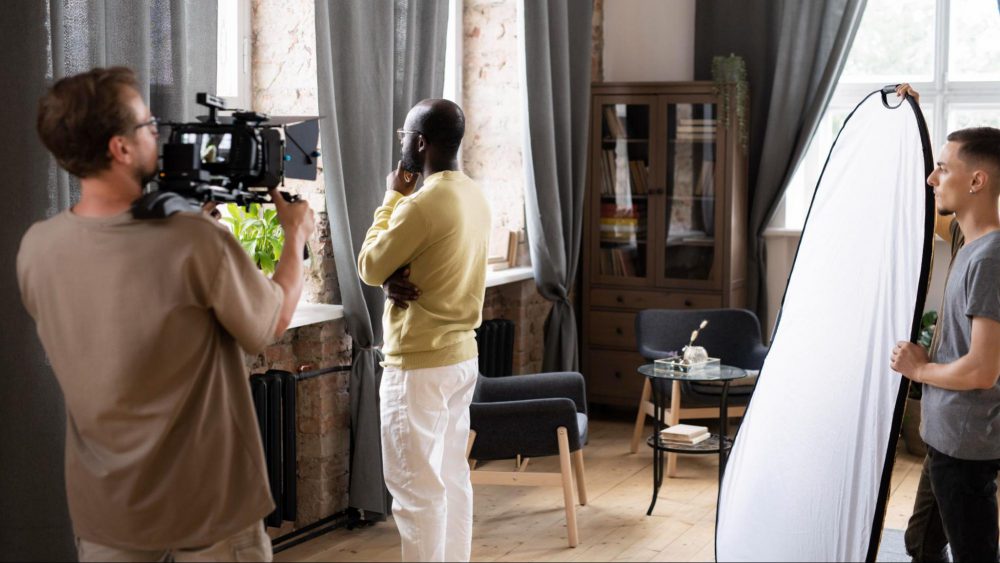
Next is personalizing the customer experience to increase compatibility between the product and customer needs. The general trend of businesses is to increase marketing budgets, focusing on customer relationship and experience management.
Omnichannel continues to gain traction thanks to its seamless shopping experience. Physical retail stores, e-commerce and retail technology have become important factors in businesses' multi-channel sales development strategies. Retail businesses will put all their efforts into building a seamless journey, where online orders are completed and distributed through physical stores.
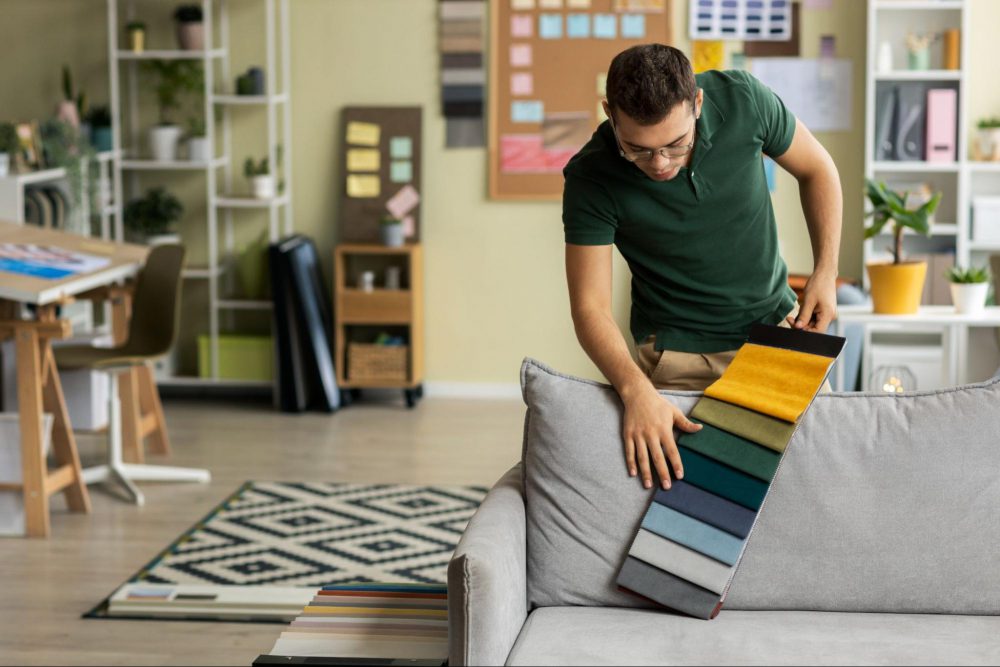
With changes in the retail market in general, furniture retail businesses are forced to take countermeasures now. Changing furniture business habits helps businesses reach the market faster, while boosting sales and increasing competitiveness.
2. Directions to expand corporate governance to help growth in the furniture retail industry
Previously, when wanting to buy furniture, consumers had only one way: to go to the store to choose products. However, with the continuous development of technology today, customers will have more choices when purchasing. To gain a competitive advantage, retailers must develop an appropriate management system.
2.1 Combine business on e-commerce platforms (online) and go to stores to experience
Online furniture business has many advantages compared to doing business in traditional stores or showrooms. With online business, businesses will have access to a large number of customers, increase brand recognition and be able to sell 24/7. Besides, online furniture retail also helps customers easily grasp product information before going to the store to experience it directly.
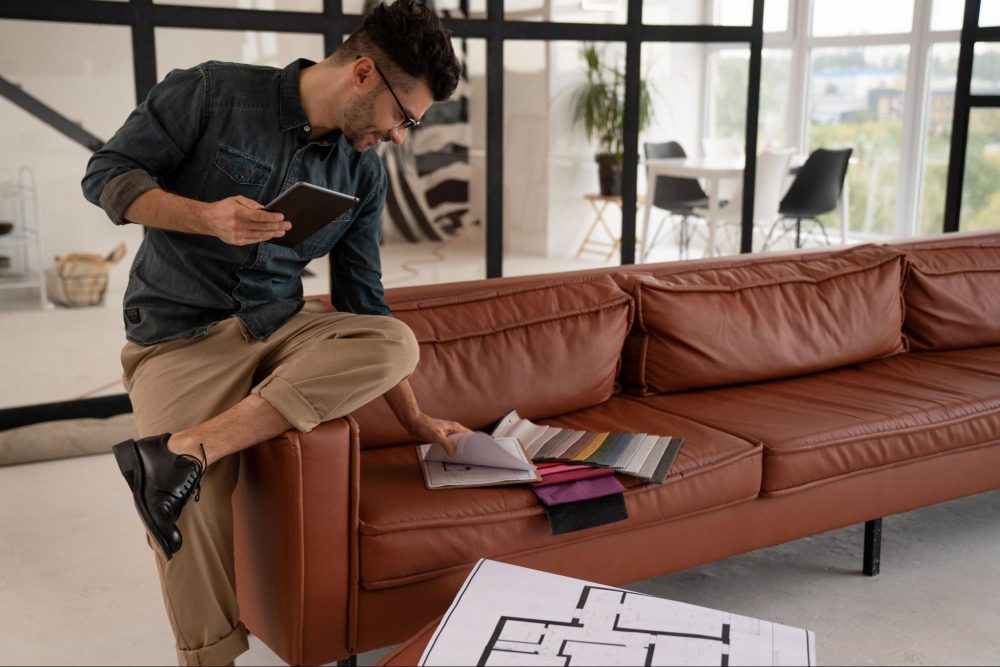
Currently, business units in the furniture industry often choose e-commerce platforms, websites and social networking platforms (Facebook, Instagram, TikTok...) to sell because of the efficiency they bring. Just type the keyword "furniture" in the search bar of major e-commerce platforms in Vietnam such as Tiki, Shopee or Lazada and consumers can receive hundreds of thousands of results.
2.2 Apply AR to product descriptions and product introductions
Integrated technologies such as augmented reality (AR), virtual reality (VR) or artificial intelligence (AI) have been positively impacting the furniture retail industry. Technology is involved in most processes in the industry's value chain, from design, production, marketing to sales.
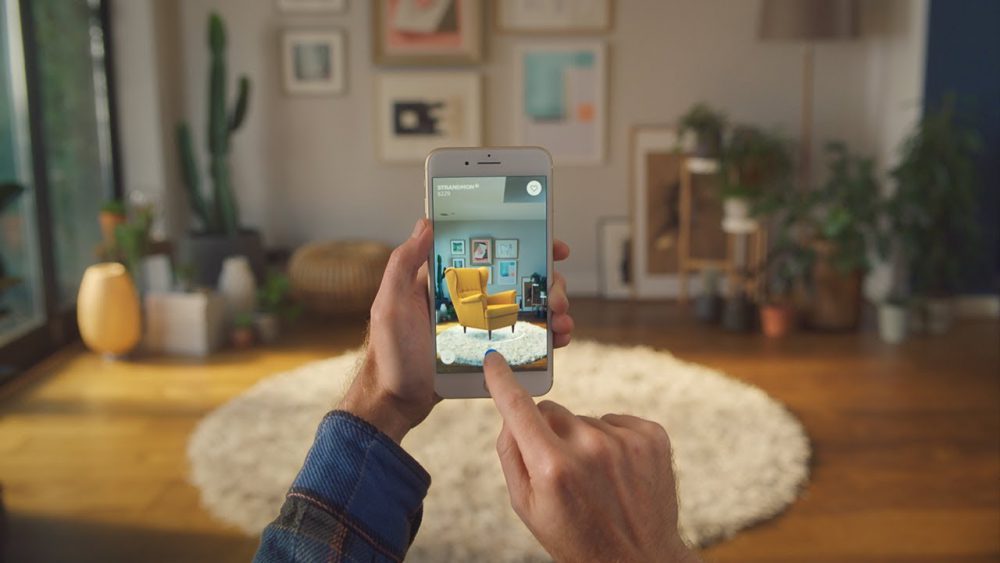
Virtual reality and augmented reality technology is useful for both furniture retailers and consumers. Designers can test the compatibility of interior products with space. Meanwhile, consumers use AR/VR to choose products suitable for their homes. IKEA Place is an application that applies augmented reality technology from IKEA furniture company, helping customers make quick and correct purchasing decisions.
2.3 Enhance advertising and DTC connection
Advertising combined with DTC (direct to consumer marketing) will be the future of the furniture retail industry. With this management approach, retailers can build relationships with customers, increase personalized shopping experiences, and test products more effectively.

2.4 Good policies and creating loyalty
A good sales policy is the foundation for building customer loyalty. The furniture industry is no exception. To retain customers, businesses need to focus on customer service, creating promotions and incentives when shopping. Retail Pro Prism is an effective interior retail store management solution, helping businesses manage customer files and build customer care programs.
2.5 Synchronous and quick administration
Multi-channel sales development requires furniture retail businesses to have a professional and synchronous management system. This will help online businesses and physical stores operate smoothly, thereby enhancing the customer experience.

3. Better retail channel management with LBC International solutions
Retail Pro Prism is the solution that LBC International brings to businesses in the retail industry, especially the furniture industry. With the superior features of Retail Pro Prism, businesses can manage furniture retail stores more easily and effectively. Specifically, the software will comprehensively manage: product catalog, inventory, transaction history, employee performance, loyal customer list...
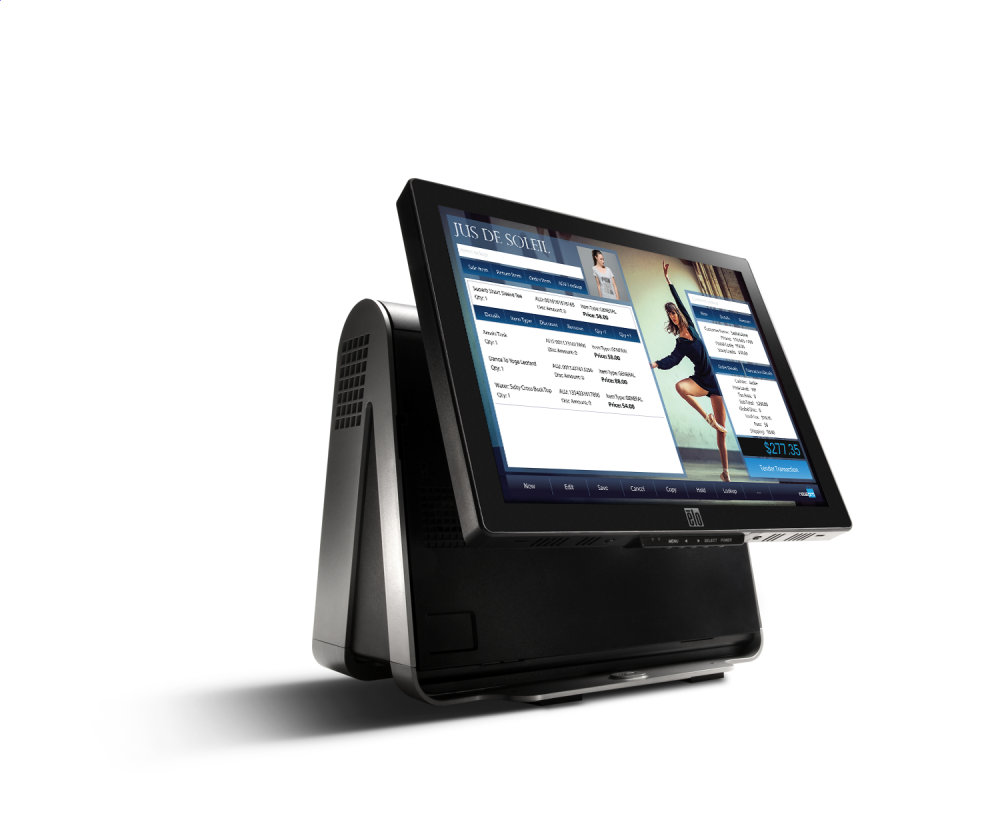
In addition, Retail Pro Prism also effectively supports businesses when they want to develop multi-channel sales and build a synchronous and professional management system. With the above strengths, LBC International products are suitable for all sizes and retail industries.
Grasping the market and improving management capabilities is an effective way for businesses to increase competitiveness in the furniture retail industry. Hopefully the information shared in the above article will be really useful for administrators. Businesses wishing to learn about retail software can contact LBC International for advice and support.
Articles and images compiled by LBC International.
Related articles

What is Unified Commerce? Its role in retail store chains
Unified Commerce is a model that integrates all sales channels and business management into a single system.
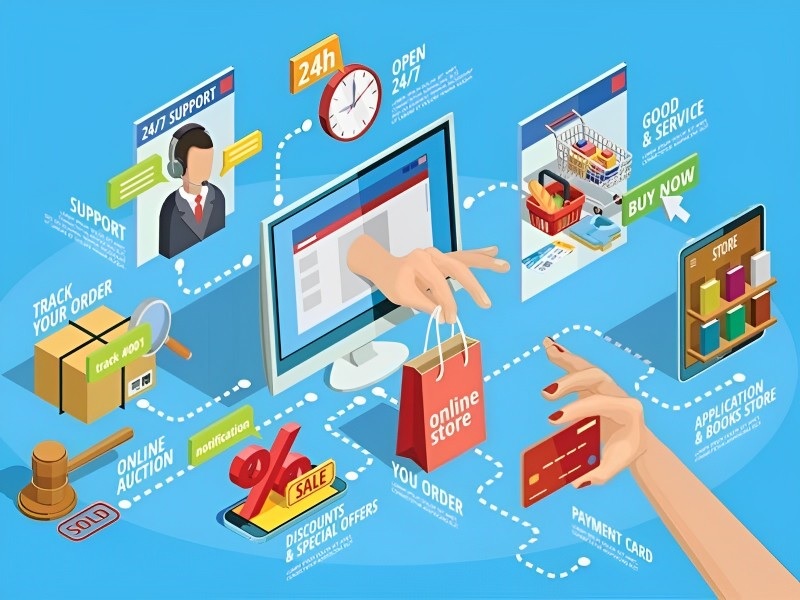
Experience in choosing an effective retail management solution
Useful experience to help you choose the best solution for your business model.

What is IoT? IoT applications in smart retail
IoT is changing retail through applications such as automated inventory management, contactless payments, and personalized customer experiences.