
What is omnichannel? What to know about the multichannel model
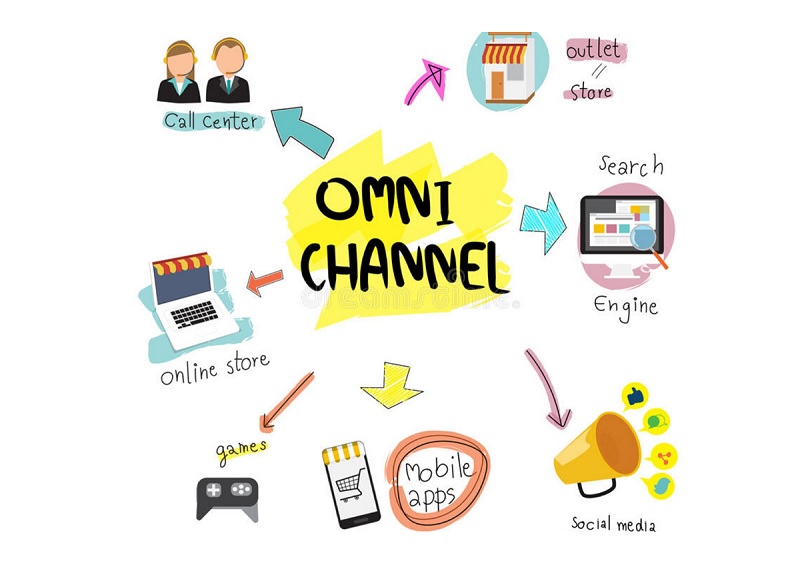
Omnichannel is an integrated multichannel retail model that helps businesses deliver seamless, consistent shopping experiences at every customer touchpoint.
1. What is omnichannel?
Omnichannel is a business model in which a company integrates and synchronizes every sales, marketing, and customer-service channel — physical stores, websites, mobile apps, social media, and e-commerce marketplaces — into a single unified system. The goal is to give customers a seamless, consistent shopping experience regardless of which channel they use to interact with the brand.
Unlike multichannel — where each channel operates independently — omnichannel requires customer, inventory, and order data to be synchronized in real time across every channel. This lets a customer start their shopping journey on one channel and continue or complete it on another without any disruption.
2. Benefits of adopting an omnichannel model
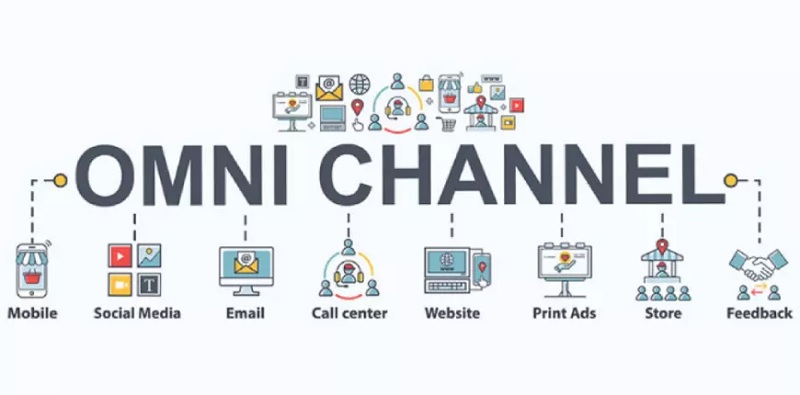
Adopting an omnichannel model brings real, practical benefits to retail businesses, helping optimize the customer shopping experience and boost business performance. Here are the standout benefits:
Connecting the customer shopping experience
Omnichannel seamlessly connects the customer's shopping experience across every channel, letting them switch back and forth between channels without disrupting a continuous, uninterrupted shopping journey.

Creating opportunities to experience products across channels
Customers can research a product on the website, experience it in person at the store, then complete the purchase through the mobile app — creating multiple touchpoints that boost conversion and customer satisfaction.
Expanding customer reach
By having a presence across multiple channels that match the habits of different customer segments, businesses can reach a broader, more diverse customer base.
Effective centralized management
Customer, inventory, and order data is unified on a single system, enabling centralized management and faster, more accurate decision-making.
3. The difference between omnichannel and multichannel
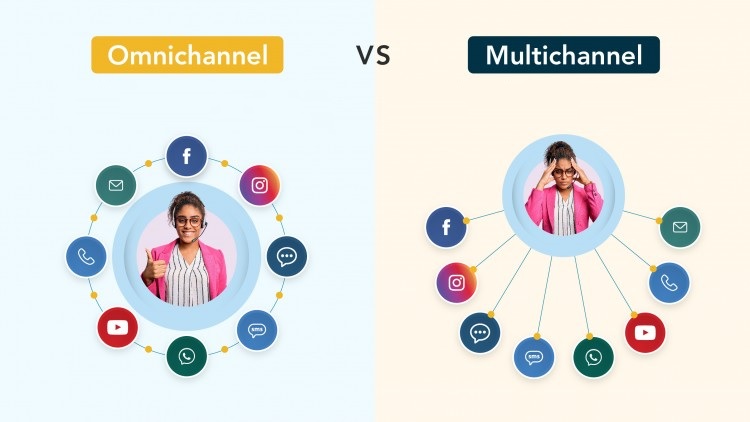
Many businesses confuse omnichannel with multichannel. Here are the fundamental differences between the two models:
Purpose
- Omnichannel: Delivers a seamless, consistent, customer-centric experience across every channel.
- Multichannel: Maintains a presence across multiple channels to reach customers, but each channel operates independently and unsynchronized.
Model characteristics
- Omnichannel: Data is synchronized in real time across every channel, forming one unified system.
- Multichannel: Each channel has its own data and operating process, with little tight integration.
Personalization
- Omnichannel: High personalization thanks to customer data aggregated across every channel.
- Multichannel: Limited personalization since customer data is fragmented across separate channels.
Technology requirements
- Omnichannel: Requires a more complex technology infrastructure and integrated systems to synchronize data in real time.
- Multichannel: Requires simpler technology since channels can operate independently.
Benefits delivered
- Omnichannel: Boosts satisfaction, retention, and sales through a consistent, seamless shopping experience.
- Multichannel: Expands brand reach but can create a fragmented, inconsistent customer experience.
4. Common mistakes businesses make with omnichannel
During omnichannel rollout, many businesses make mistakes that keep the model from delivering its expected results. Here are some common pitfalls to avoid:
Not keeping up with consumer trends
Customer shopping behavior and online trends change constantly. If a business doesn't track and update quickly enough, its sales channels can quickly become outdated and lose appeal.
Not carefully evaluating and selecting sales channels
Expanding into too many channels without evaluating fit with customer behavior can spread resources too thin and reduce return on investment.
Not optimizing order-fulfillment processes
If order fulfillment across channels isn't synchronized and optimized, customers can face delays and errors — undermining the convenient shopping experience omnichannel is meant to deliver.
Not tracking and managing inventory regularly
Without real-time inventory updates across channels, businesses risk overselling or running out of stock — directly hurting brand reputation and customer experience.
To avoid these mistakes and roll out omnichannel effectively, businesses need a technology platform strong enough to synchronize data, inventory, and orders across every channel. As the official Retail Pro partner in Vietnam, LBC International is ready to stand alongside businesses on their journey toward this unified, omnichannel retail model.
Related articles
What is Unified Commerce? Its role in retail store chains
Unified Commerce is a model that integrates all sales channels and business management into a single system.
Experience in choosing an effective retail management solution
Useful experience to help you choose the best solution for your business model.
What is IoT? IoT applications in smart retail
IoT is changing retail through applications such as automated inventory management, contactless payments, and personalized customer experiences.