
Develop retail chain communication strategy for new brands

For a newly launched product to leave a mark in the minds of consumers is never easy, especially in the context of […]
For a newly launched product to leave a mark in the minds of consumers is never easy, especially in today's fierce competition. To gain a foothold in the market, businesses need to develop a retail chain communication strategy early, invest in product research and build a distribution channel system.
The following article by LBC International reviews important notes when building a communication plan for a retail chain of a new product or brand.
Related articles:
- Build a successful retail store chain to welcome 2023
- Retailers need to pay attention to the following things when deciding to expand and operate multiple stores
- Increase in-person store visits with these simple tips
1. Three important developments to consider when planning a communication strategy for the retail chain of a newly launched brand
For a newly launched brand or product, becoming a market leader should not be the priority development strategy. Retailers should focus on exploiting market gaps to capture the number 2 position. Along with ensuring product quality, businesses need to build a systematic retail chain communication strategy, creating special advantages to "clear the way" for upcoming products.
When planning communications, administrators need to pay attention to the following three development trends:
1.1 Take advantage of price
Setting selling prices lower than competitors' prices to gain market share is the first strategy thought of when launching new products. When competitors do not yet have customer loyalty, a similar product with a lower price will have a chance to gain market share, especially in the beginning.

However, if you want to compete on price, managers must have a plan to respond when competitors retaliate. Normally, businesses that are ahead of the curve will apply a strategy of reducing prices or increasing promotions because they already have advantages in terms of customer files and capital. In short, if your business is strong enough to win the price war, you will have a chance to stand firm in the market and force the predecessor to share market share.
1.2 Exploit the value of each niche customer group
In retail business, new products will attract the attention of each customer group at different times. There are two main customer groups: pioneer buyers (willing to try new products first) and mass buyers (accounting for the majority of customers).

The pioneering group of buyers tends to seek personal benefits, such as appearance, taste or simply wanting to experience something new, becoming a trend leader. Meanwhile, customers in the later stages will be attracted by the product's outstanding benefits and differences compared to products already on the market.
The customer group in the later stages is the target customer group, which needs attention when building a retail chain communication strategy. If well taken care of, they can become loyal customers of the business in the future. The characteristic of this customer group is skepticism, so businesses should not give out a lot of far-fetched advertising information, but need to focus on the benefits and convenience of the product.
1.3 Focus on diverse distribution network
No matter how good a new product is, it cannot bring profit if it cannot reach the market. To bring products to market and closer to consumers, businesses must have an effective distribution network. This is considered the most important strategy in the new product marketing process. Without a distribution system, pricing, promotion or display strategies become meaningless.

Therefore, after identifying the target market, retailers need to establish a reasonable distribution channel. Popular product distribution channels for businesses to refer to include:
- Traditional channel - GT: market stalls, grocery stores, mobile sales counters...
- Modern channel – MT: convenience stores, supermarkets, shopping centers...
- Online channels: e-commerce platforms, social networking platforms...
- Key Account Channel: hospital canteens, schools, entertainment areas...
When planning a retail chain communication strategy, administrators should research distribution channels that competitors have not yet exploited, such as online distribution or combined multi-channel distribution. For new products, businesses can refer to the following 3 strategies.
- Multi-channel distribution strategy
The explosion of the internet and e-commerce platforms has helped the Online to Offline (O2O) distribution model become more popular. The online channel is responsible for creating customer awareness about the product, leading customers to the store to shop. Meanwhile, offline channels provide the most complete and authentic experience for customers. These two channels support each other and help businesses develop sustainably.
- Connection strategy between suppliers and agents and points of sale
The future distribution and retail industry will focus on transforming the role of intermediaries, promoting the position of retailers in the supply chain. Thanks to that, retail businesses have the opportunity to interact directly with suppliers through the new technology platform - New Retail platform, shortening the time to conquer the market for new products.

- Technology application strategy in distribution system management
The trend of digital transformation in the retail industry has made managing product distribution systems much easier and more effective. In other words, technology is the bridge between the manufacturer - distributor - point of sale, reducing work pressure compared to traditional management.
2. Take advantage of Retail Pro Prism for effective data management and exploitation
Retail Pro Prism is a comprehensive management solution specifically for the retail industry, suitable for many different scales and industries. With superior features, LBC International's software effectively supports businesses when managing retail store chains.
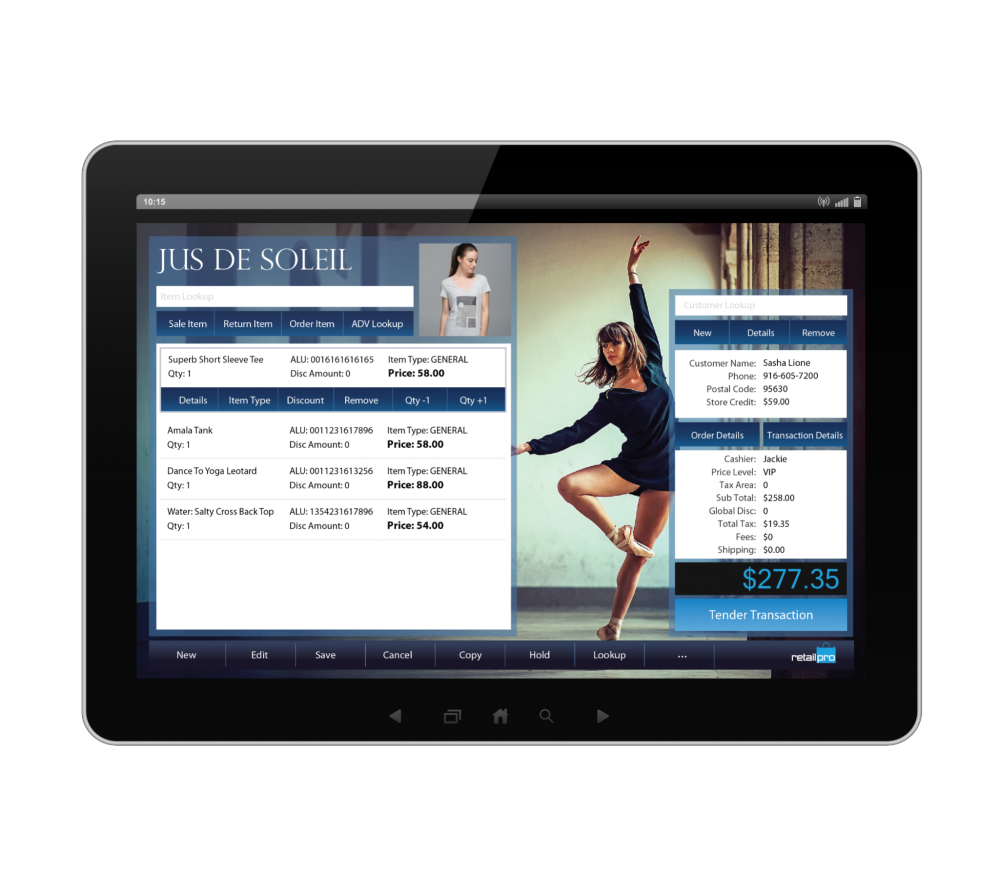
Retail Pro Prism helps administrators manage important items in the retail chain, from product categories, inventory quantities, transaction history, employee performance to customer lists. With outstanding advantages, the software has been applied to the management systems of many large businesses and retail groups in the world.
Early and thoughtful preparation steps will help new products quickly conquer the market. Hopefully the above suggestions will be useful for administrators when planning retail chain communication strategies. Businesses wishing to learn about retail software products can contact LBC International for advice and support.
Articles and images compiled by LBC International.
Related articles

What is Unified Commerce? Its role in retail store chains
Unified Commerce is a model that integrates all sales channels and business management into a single system.
Experience in choosing an effective retail management solution
Useful experience to help you choose the best solution for your business model.

What is IoT? IoT applications in smart retail
IoT is changing retail through applications such as automated inventory management, contactless payments, and personalized customer experiences.