
Radical social responsibility and transparency in fashion retail
To achieve long-term retail efficiency, fashion businesses need to pay attention to sustainable development, which is a popular global business trend.
The negative impacts of modern society, especially the fashion industry, have led to environmental concerns. Social responsibility and progressive transparency are increasingly focused on by consumers and fashion businesses, when this is the second most polluting industry in the world. Read the following article from LBC International now to update the latest information on these two trends and design a more sustainable and effective retail system!

1. What is progressive social responsibility and transparency?
According to statistics from the United Nations Environmental Program (UNEP), the fashion industry accounts for 10% of total global carbon emissions. That's not to mention the amount of excess fabric discharged during the production process and old clothes thrown into the environment.
Corporate social responsibility (CSR) is a business's commitment to sustainable development for stakeholders. Businesses carry out social responsibility by bringing economic, social and environmental benefits to customers, partners, employees and the community.
Radical transparency is honesty and straightforwardness in production and business activities as well as retail management of an enterprise. For the fashion industry, this is demonstrated in the clarity and transparency of garment analysis from the "paper desk" to actual construction.
Social responsibility and radical transparency are two factors that determine the sustainable development of a business and are the basis for evaluating whether a business is retailing effectively or not. The more a business demonstrates social responsibility and transparency, the more trust it will build among consumers.

2. Current trends
2.1. The trend of attaching importance to social responsibility and sustainable development of Adidas fashion brand
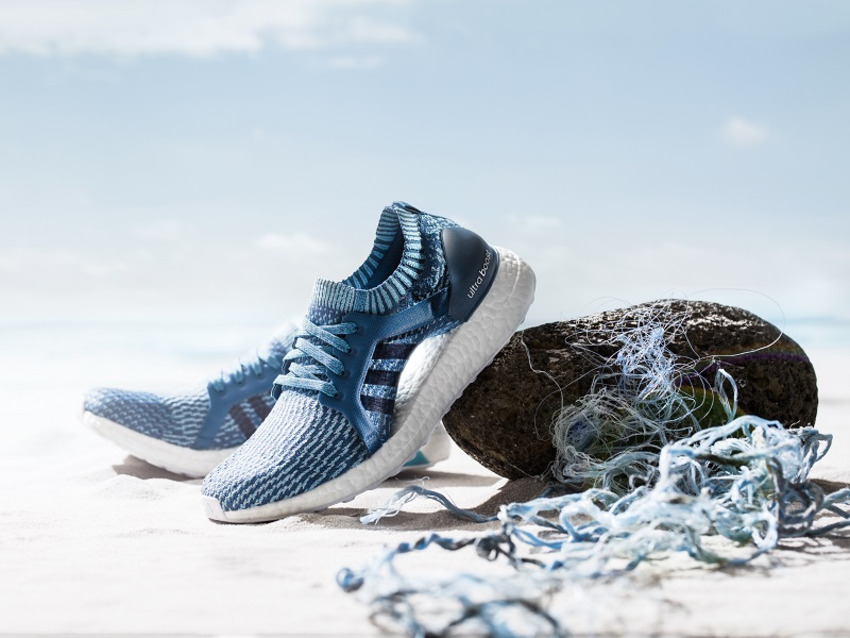
Adidas is a fashion brand that is very popular with young people around the world. It is not by accident that they can do so, it is because they have clearly defined their social responsibility and have taken on that responsibility very well. Typical collaborations with Stella McCartney and Parley for the Oceans.
Adidas takes a series of actions to become a globally sustainable business: eliminating 70 million plastic shopping bags and replacing them with paper bags in retail stores; Ranked 5th in the ranking of Corporate Human Rights Standards corporations; Create 1 million pairs of shoes from marine plastic,...
Practical actions accompanying the statement: "At Adidas, our core belief is that through sports, we have the power to change lives", the company has successfully built trust with the community, especially young people.
2.2. Radical information transparency trend – Everlane fashion
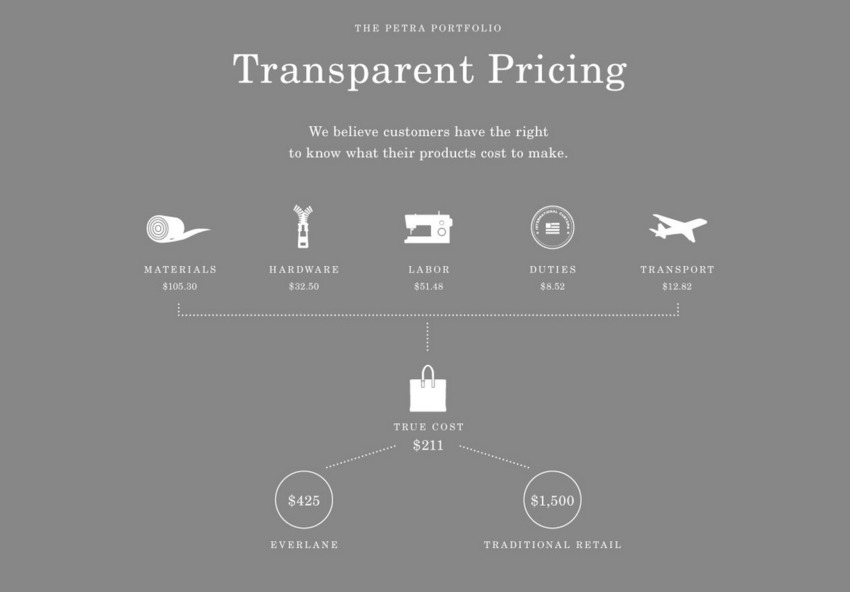
Everlane - a famous fashion brand in the US has done a very good job of radical transparency. With its mission statements, the company finds every way to implement and inform customers to prove that these are not empty statements. Images, clips, information inside the factory, etc. are shared with customers on websites or social networks.
Everlane's claims include: sourcing the world's most ethical factories and sourcing the best ingredients; Providing products of top quality and durability; shares in detail the "truth" behind the Everlane branded shirt including steps from data entry, garment making, shipping and specific costs for each stage. Customers will see that all the costs they spend are worth it.
It is transparency and good implementation of commitments that create an effective retail process and build customers' trust, love and absolute loyalty to Everlane.
3. Sustainable entrepreneurship
Green startups are currently a trend. Many startups are interested in social responsibility and progressive transparency, which is considered an effective direction to help increase trust and brand love, thereby improving sales and operational efficiency.
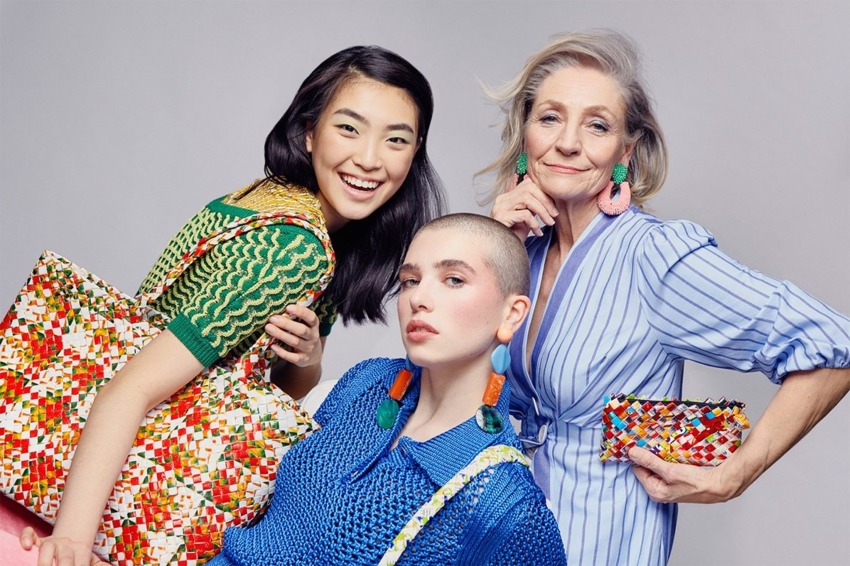
For example, the Fair Frank company is making great efforts to create handmade products to minimize the negative impact of the fashion industry on the environment. Not only that, they also have community support programs in Africa and operate transparently, towards fair trade.
The Kool and Konscious brand believes it has the responsibility to transform the fashion industry. The company seeks to provide a variety of environmentally friendly products and materials. By applying AI technology in the fashion industry, the company has brought positive results to the environment, reducing the negative consequences left by the fashion industry.
Social responsibility and progressive transparency are becoming increasingly important when you want to build customer loyalty and do business more efficiently, especially in an industry like fashion that has a negative impact on the environment.
Related articles

What is Unified Commerce? Its role in retail store chains
Unified Commerce is a model that integrates all sales channels and business management into a single system.
Experience in choosing an effective retail management solution
Useful experience to help you choose the best solution for your business model.

What is IoT? IoT applications in smart retail
IoT is changing retail through applications such as automated inventory management, contactless payments, and personalized customer experiences.